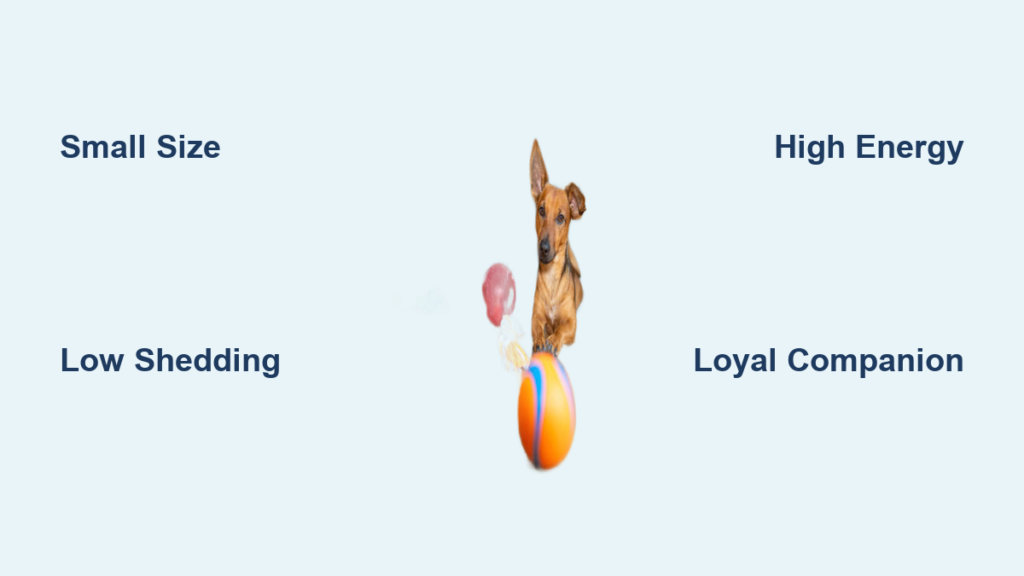
If you’re searching for a list of toy dogs, you probably want a compact companion that fits perfectly in your lap, your apartment, and your heart. Toy dog breeds typically weigh under 15 pounds and stand less than 15 inches tall, yet they deliver enormous personalities, sharp intelligence, and unwavering loyalty. These portable pups are ideal for city dwellers, seniors, and anyone seeking a travel-friendly furry friend with a lifespan often exceeding 15 years.
This comprehensive list of toy dogs covers 26 breeds with details on temperament, grooming needs, health concerns, and lifestyle compatibility. Whether you want a hypoallergenic poodle, a feisty chihuahua, or an elegant maltese, this guide helps you find your perfect pint-sized match.
What Makes a Dog a Toy Breed
Toy breeds are defined by their small size rather than a specific job category. The American Kennel Club groups these dogs together because they were bred primarily as companions rather than for hunting, herding, or guarding. Most weigh between 3 and 15 pounds and stand 9 to 15 inches tall at the shoulder.
These small dogs share several characteristics despite their diverse origins. They tend to form intense bonds with their owners, often becoming velcro dogs that follow you from room to room. Many have surprisingly loud barks given their tiny frames, making them effective watchdogs. Their lifespans typically range from 12 to 20 years, with some chihuahuas and toy poodles living well beyond their teen years.
Toy dogs are not recommended for homes with very young children who might accidentally injure these fragile creatures. Their small size means they can suffer serious injuries from falls or rough handling.
Complete List of Toy Dogs by Origin

This section provides a complete list of toy dogs organized by their country of origin, helping you choose a breed that matches your preferences.
European Toy Breeds
European countries have produced many beloved toy breeds. The Affenpinscher from Germany earns its “monkey terrier” nickname with its distinctive facial expression and fearless attitude. German breeds also include the Pomeranian with its fluffy double coat and the sleek Miniature Pinscher, which predates the Doberman by centuries.
The United Kingdom contributed the Cavalier King Charles Spaniel, known for its gentle nature and soulful eyes, plus the playful English Toy Spaniel. Belgium gave us the Brussels Griffon with its impish face and comical personality.
France and Italy produced the elegant Papillon, whose ear frings resemble butterfly wings, and the Italian Greyhound, a graceful ancient breed that thrives in warm climates.
Asian Toy Breeds
China offers several iconic toy breeds. The Chihuahua holds the title of world’s smallest dog, originating from ancient Techichi ancestors. The Shih Tzu was bred as a royal companion, while the Pekingese was restricted to the imperial court for centuries.
Japan contributed the aristocratic Japanese Chin, favorites of the imperial court, and the breed shares ancestry with pugs and pekingese. Australia developed the Silky Terrier from crosses between Yorkshire and Australian Terriers.
Americas and Caribbean
The Americas contribute unique breeds to any list of toy dogs. Mexico produced the chihuahua and the ancient Toy Xoloitzcuintli, dating back over 3,000 years. The United States developed the Toy Fox Terrier from smooth fox terrier ancestry.
The Caribbean brought us the Havanese, Cuba’s national dog and member of the bichon family, plus the Coton de Tulear from Madagascar with its cotton-like white coat.
Most Popular Toy Dog Breeds for First-Time Owners
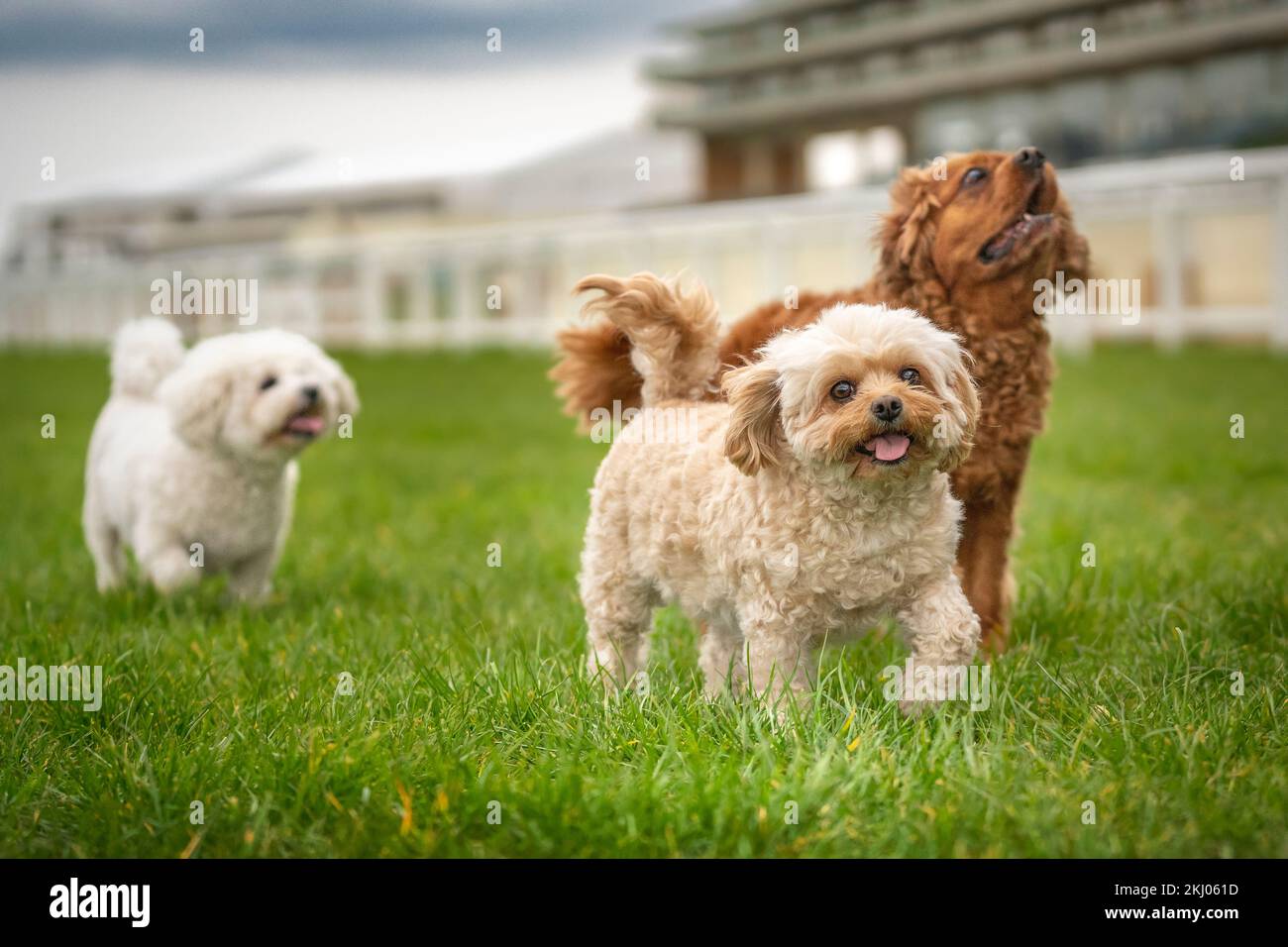
If you’re new to dog ownership, certain breeds offer the best combination of trainability, temperament, and adaptability.
The Pug tops lists for first-time owners due to its forgiving nature and moderate exercise needs. These wrinkled-faced companions thrive on human attention and adapt well to various living situations. Pugs require careful monitoring for weight gain and breathing issues due to their flat faces.
The Bichon Frisé offers a cheerful, gentle personality with a hypoallergenic white coat. These fluffy dogs get along famously with children and other pets, though they need professional grooming every four to six weeks.
The Cavalier King Charles Spaniel wins hearts with its affectionate, adaptable nature. These gentle dogs excel in apartments and with seniors, but prospective owners should budget for annual cardiac screenings due to prevalent mitral valve disease.
The Havanese proves highly trainable and eager to please. As the only Cuban breed, these playful dogs enjoy agility and form strong bonds with their families.
Best Toy Dog Breeds for Apartment Living
Limited space doesn’t mean limited joy. Several toy breeds thrive in apartments thanks to their small size and moderate exercise needs.
The Russian Toy ranks among the best small-space companions. This tiny watchdog alerts you to visitors without taking up much room, and its low shedding coat makes apartment cleanup easy.
The Papillon excels in apartments despite its high energy because these agile dogs burn most of their energy indoors through play. Their silky coat requires moderate grooming, and their intelligence makes training a breeze.
The Biewer Terrier, recognized by the AKC in 2021, offers a glamorous option for apartment dwellers. These whimsical dogs love carrying toys and bonding closely with their owners, adapting well to smaller living spaces.
The Japanese Chin prefers calm apartment life, enjoying lounging on laps and short indoor play sessions. These aristocratic dogs thrive in peaceful environments with consistent routines.
Hypoallergenic Toy Dogs for Allergy Sufferers
Allergy sufferers can still enjoy toy dog companionship with these low-shedding breeds.
The Toy Poodle stands as the most intelligent toy breed and offers a curly, hypoallergenic coat. These athletic dogs excel in agility and obedience, requiring professional clipping every four to six weeks.
The Maltese has been called hypoallergenic for centuries, with its long white silky coat producing minimal allergens. Daily brushing prevents tangles, and regular tooth care is essential for this breed prone to dental disease.
The Bichon Frisé features a white, fluffy double coat that doesn’t shed much. These cheerful dogs require professional grooming to maintain their iconic look but produce fewer allergens than most breeds.
The Chinese Crested comes in two varieties. The hairless type needs sunscreen and moisturizer but produces virtually no allergens. The powderpuff variety features a full soft coat that requires daily brushing.
The Shih Tzu offers a long, silky coat that can be kept in a puppy cut for easier maintenance. These friendly dogs adapt well to allergy-prone homes with regular grooming.
Common Health Problems in Toy Dog Breeds
Toy breeds face several recurring health issues that prospective owners should understand before bringing one home.
Dental disease affects many toy breeds including chihuahuas, maltese, pomeranians, and toy poodles. Their small mouths often feature crowded teeth that trap food and lead to gum disease. Daily brushing, dental chews, and regular veterinary cleanings help prevent tooth loss and associated health problems.
Patellar luxation occurs when the kneecap slips out of place, common in chihuahuas, pomeranians, toy poodles, and papillons. Mild cases respond well to joint supplements, while severe cases may require surgical correction. Watch for a skipping gait or leg-holding as warning signs.
Tracheal collapse affects pomeranians and toy poodles as they age. Using a harness instead of a collar prevents pressure on the delicate windpipe. Avoid letting your dog pull on leashes, and watch for a honking cough that signals airway problems.
Brachycephalic syndrome impacts flat-faced breeds like pugs, shih tzus, pekingese, and japanese chins. These dogs struggle to breathe efficiently, especially in heat. Keep them cool, avoid stress, and never overexercise them in warm weather.
Hypoglycemia poses a serious risk for chihuahua and maltese puppies. Low blood sugar can cause lethargy, tremors, and seizures. Keep young puppies fed frequently, and have sugar syrup like Karo available for emergencies.
Mitral valve disease is the leading cause of death in Cavalier King Charles Spaniels. Annual cardiac screening starting at age five helps detect this condition early. Responsible breeders screen their breeding stock for this genetic heart problem.
Grooming Needs by Toy Breed
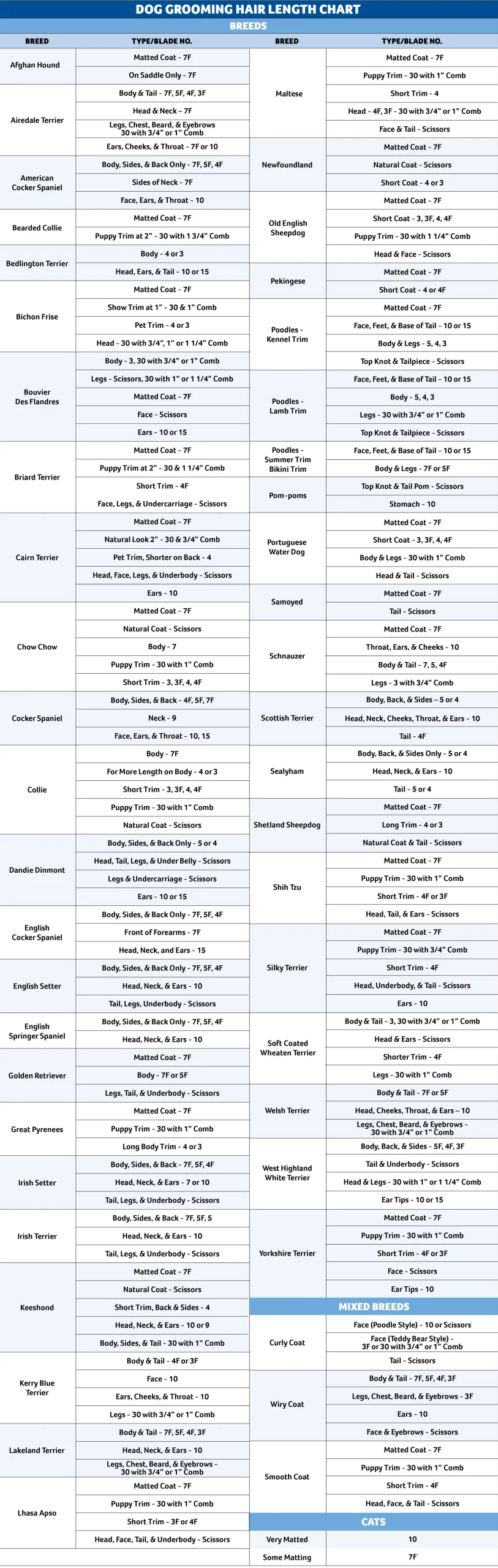
Matching your lifestyle to grooming demands prevents painful matting and expensive professional sessions.
Low-maintenance coats suit busy owners. The short-coated chihuahua needs minimal brushing. The pug sheds moderately but requires only weekly brushing. The smooth-coated chinese crested needs occasional baths and moisturizer. The miniature pinscher and manchester terrier have sleek coats that shine with occasional brushing.
Moderate-maintenance breeds require several grooming sessions per week. The papillon needs regular brushing to prevent tangles in its silky coat. The japanese chin demands daily attention to maintain its elegant appearance. The Coton de Tulear benefits from several brushings weekly despite its cotton-like texture.
High-maintenance coats demand daily care. The maltese requires daily brushing and regular baths to keep its white silky coat gleaming. The havanese needs daily brushing to prevent mats in its long double coat. The bichon frisé needs professional grooming every four to six weeks to maintain its fluffy appearance. The shih tzu benefits from daily brushing or keeping its coat in a practical puppy cut.
Trainability and Temperament by Breed
Toy breeds vary significantly in how easily they learn and what training approaches work best.
Highly trainable breeds include the toy poodle, which learns complex commands quickly and excels in dog sports. The papillon competes successfully in agility and obedience thanks to its intelligence and eagerness. The havanese aims to please and responds beautifully to positive reinforcement training.
Moderately trainable breeds include the Cavalier King Charles Spaniel, which is sweet but easily distracted. The bichon frisé wants to please but can be sensitive to harsh corrections. The shih tzu may show stubborn streaks requiring patient, consistent training methods.
Stubborn but smart describes the chihuahua, which thinks independently and may ignore commands. The pomeranian bosses its way past boundaries without clear rules. The pekingese carries royal attitudes and prefers doing things on its own terms.
Sensitive learners like the Italian Greyhound and Japanese Chin respond best to gentle, calm training methods. Harsh corrections damage their confidence and trust. Use positive reinforcement and keep training sessions short and rewarding.
Choosing the Right Toy Dog for Your Lifestyle
Finding your perfect match requires honest self-assessment before browsing breeder listings.
Consider your grooming availability. If you cannot commit to daily brushing, choose a low-maintenance breed like the chihuahua or pug. If you enjoy grooming and have time for professional appointments, the maltese or bichon rewards your effort.
Assess your activity level. Active owners thrive with papillons, toy fox terriers, or havaneses that enjoy walks and play. More sedentary owners find perfect companions in pugs, cavaliers, or japanese chins that prefer lounging to running.
Account for health monitoring responsibilities. Some breeds require significant veterinary attention. Cavaliers need annual heart checks. Italian greyhounds need careful handling to prevent fractures. Brachycephalic breeds need careful heat management.
Consider your household composition. Seniors often gravitate toward cavaliers, maltese, or pugs for their gentle temperaments. Families with older children do well with bichons or havaneses. Single dwellers or couples without children might enjoy more independent breeds.
Frequently Asked Questions About Toy Dogs
What is the smallest toy dog breed?
The chihuahua holds the title of world’s smallest dog breed, with some adults weighing as little as 3 pounds. Despite their tiny size, chihuahuas possess bold, confident personalities that far exceed their physical dimensions.
Which toy dogs are best for allergies?
The toy poodle, maltese, bichon frisé, chinese crested, and shih tzu produce fewer allergens than most breeds. No dog is completely hypoallergenic, but these breeds shed less dander and hair into your home.
How long do toy dogs typically live?
Toy dogs generally live 12 to 18 years, with many chihuahuas, toy poodles, and maltese living beyond 15 years. Their small size contributes to longevity, as larger breeds typically have shorter lifespans.
Do toy dogs need special food?
Toy dogs benefit from small-breed specific formulas designed for their faster metabolisms and smaller mouths. These foods often contain smaller kibble pieces and higher calorie density to meet their energy needs.
Are toy dogs good with children?
Toy dogs can be excellent with older children who understand how to handle small, fragile dogs gently. Most toy breeds are not recommended for homes with toddlers or very young children who might accidentally injure them.
How much exercise do toy dogs need?
Most toy dogs need moderate exercise through daily walks and indoor play. Breeds like the papillon and toy fox terrier require more activity, while breeds like the pekingese and japanese chin prefer shorter, gentler exercise sessions.
Key Takeaways for Finding Your Perfect Toy Dog
This comprehensive list of toy dogs provides a solid starting point for your search, but remember that individual dogs vary within breeds. Spend time with several dogs of your chosen breed before committing, and consider adoption from rescue organizations that specialize in toy breeds.
Prioritize health considerations when making your choice. Some breeds require significant veterinary monitoring, while others stay relatively healthy throughout their lives. Factor these ongoing costs into your decision.
Match grooming demands to your available time. A beautiful maltese requires daily commitment, while a pug’s grooming needs fit easily into busy schedules.
Consider your activity level and choose accordingly. A high-energy papillon frustrates in a sedentary household, while a sedate pekingese bores an active owner.
With the right match, your toy dog will provide over a decade of loyalty, laughter, and unconditional love in a perfectly portable package.