Fidget toy types have evolved far beyond simple stress balls or spinners. Today, they are purpose-built tools designed to support focus, reduce anxiety, and regulate sensory input for people of all ages. Whether you are a student struggling to concentrate in class, an adult managing work-related stress, or someone with ADHD, autism, or anxiety, there is likely a fidget toy tailored to your needs. These compact devices work by engaging the hands and senses in subtle, repetitive ways, freeing up mental bandwidth for more important tasks.
In this guide, we will break down the major fidget toy types, explain how each works, and help you choose the right one based on your sensory needs, environment, and lifestyle.
Squishy and Stretchy Fidgets for Deep Pressure Relief
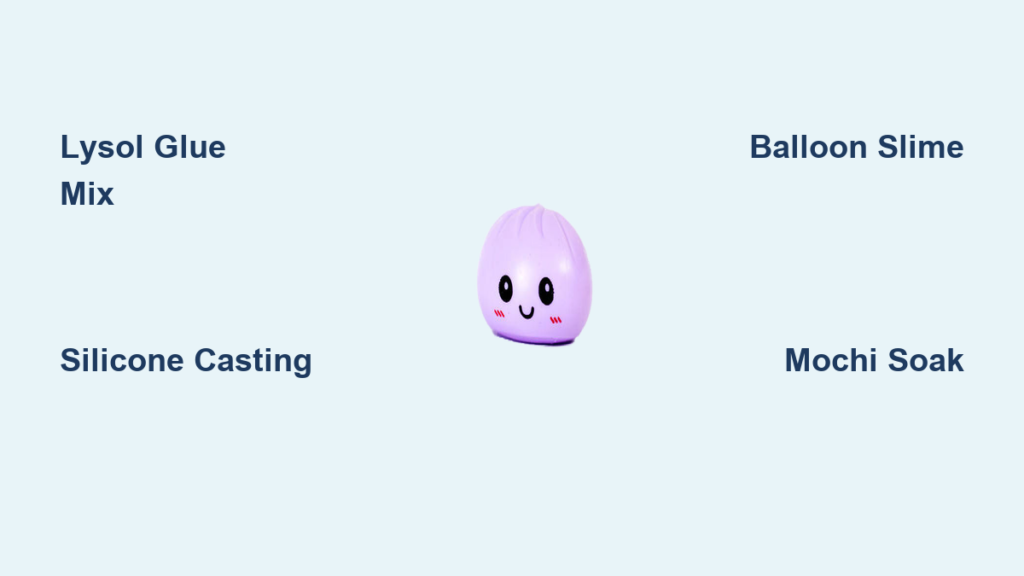
Squishy and stretchy fidgets deliver satisfying resistance and rebound with every squeeze or pull, making them ideal for deep pressure and tactile relief.
Why Choose a Squishy Fidget
These toys provide proprioceptive feedback through deep pressure that calms the nervous system. They are perfect if you tend to grip pens too tightly, clench your hands, or feel restless without something to hold.
Top Squishy Fidget Types
• Stress balls: Classic round or ergonomic shapes filled with gel or foam, great for building grip strength.
• Nee Doh Gummy Bear: Stretchy, bouncy texture that returns to shape slowly, ideal for rhythmic squeezing.
• Koosh Balls: Soft rubber filaments that fan out when squeezed, offering unique tactile feedback.
• Squishy Sensory Maze: Combines softness with textured ridges for added finger stimulation.
Pro Tip: Opt for medical-grade silicone versions. They last longer and resist tearing during heavy use.
Twisters, Tangles, and Bendable Fidgets for Quiet Movement
Flexible, jointed fidgets that twist, bend, and loop into endless shapes provide ideal quiet movement for classrooms and meetings.
How Twisters Improve Focus
These toys offer smooth, low-resistance motion that keeps fingers busy without distraction. Their open-ended design encourages exploration and reduces fixation on one action.
Popular Bendable Fidgets
• Tangle Therapy: Smooth, modular pieces forming a continuous loop. Silent and professional-looking.
• Morf Fidget Worm: Soft, segmented toy with squishy joints, great for younger users.
• Wacky Tracks: Chain-like fidget that snaps audibly when bent. Satisfying click without loud noise.
Use Case: Perfect for long meetings or study sessions where subtle hand motion helps maintain attention.
Clickers and Poppers for Satisfying Tactile Feedback

Buttons that click, pop, and flip offer instant sensory feedback with every press, satisfying the brain’s need for cause-and-effect input.
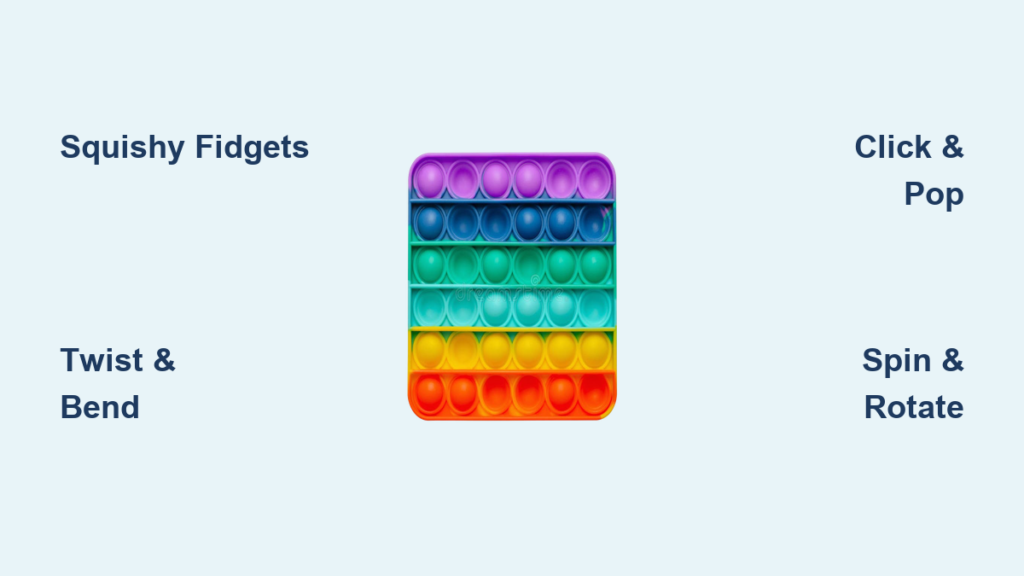
The Appeal of Pop-It Style Fidgets
Pressing a dome and hearing a soft pop creates a rewarding loop that calms anxiety and boosts concentration. These toys are visually engaging and offer predictable feedback.
Common Clicker Types
• Pop-It Fidgets: Silicone bubble sheets in various shapes, from keychains to bracelets.
• Fidget Cube: Six-sided device with buttons, switches, dials, and sliders.
• Dimple Digits: Numbered buttons for pressing and sequencing games.
Silent Option: Look for thick silicone Pop-Its. They minimize sound for classrooms or offices.
Spinners and Rotational Fidgets for Visual Focus
Smooth-spinning devices captivate the eyes and calm the mind through mesmerizing motion.
Why Spinners Work
The visual rhythm of a spinning device can be meditative. It draws attention without overloading cognition, ideal for passive listening or anxiety relief.
Spinner Variants
• Classic Fidget Spinner: Three-pronged design with a central bearing. Spins with minimal effort.
• Transformable Spinners: Change shape or spin on multiple axes for varied visual stimulation.
• Infinity Cube: Metal or plastic hinged cube that flips endlessly between fingers.
Caution: Some schools ban spinners due to distraction risk. Opt for smaller, quieter models like the Infinity Cube.
Wearable Fidget Toys and Jewelry for Discreet Use
Fidgets you wear are discreet, always available, and can even be stylish. You do not need to pull out a toy to use it.
Why Wearables Win in Public Spaces
A ring, bracelet, or necklace lets you fidget under the table, in a meeting, or during class without drawing attention.
Top Wearable Options
• BUNMO Magnetic Rings: Interlock and separate with a satisfying snap, great for finger movement.
• Flow Ring Kinetic Spring: Metal spring ring that slides between fingers with mesmerizing motion.
• Fidget Bracelets: Beaded or slider bands that move silently.
• Stimm Jewelry: Fashion-forward designs that double as sensory tools.
Material Tip: Stainless steel and silicone are durable and hypoallergenic choices.
Textured and Tactile Gadgets for Sensory Exploration
Surfaces with bumps, ridges, and grooves are designed for touch exploration and grounding.
Who Needs Texture
People who crave varied tactile input benefit most. These fidgets help ground the mind through repetitive rubbing, tracing, or squeezing.
Textured Fidget Examples
• Textured Fidget Strings: Stretchy cords with beads and ridges.
• Worry Stones: Smooth palm stones with a center groove for thumb rubbing.
• Textured Tangles: Bendable fidgets with bumpy or grooved segments.
Use Case: Pair with mindfulness or breathing exercises for maximum calming effect.
Putty, Dough, and Mouldable Fidgets for Hand Strength
Stretch, pull, and reshape these fidgets for slow, satisfying sensory input that builds hand strength.
Benefits of Therapy Putty
Beyond stress relief, putty builds hand strength and dexterity. It is commonly used in occupational therapy for fine motor development.
Types of Mouldable Fidgets
• Therapy Putty: Color-coded by resistance from light to extra-firm.
• Thinking Putty: High-end silicone with special effects like glow-in-the-dark or magnetic properties.
Maintenance Tips: Store in airtight containers. Avoid carpets and dust. Wash with mild soap if dirty.
Weighted and Deep Pressure Fidgets for Grounding

Heavier tools provide grounding through proprioceptive input that mimics a gentle hug.
How Weighted Fidgets Calm
Deep pressure activates the parasympathetic nervous system to reduce anxiety and restlessness. It provides a calming, hugging sensation.
Weighted Options
• Weighted Stuffed Animals: Soft toys with internal beads or sand.
• Lap Pads: Small weighted blankets for desk or couch use.
• Heavy Stress Balls: Denser versions of standard squishies.
Weight Range: 0.5 to 2 pounds for portable use. Heavier models are used in clinical settings.
Puzzle and Problem-Solving Fidgets for Mental Engagement

Fidgets that challenge the brain while calming the hands combine sensory feedback with cognitive engagement.
Dual-Function Design
These toys are perfect for people who need both movement and mental stimulation. They provide a productive outlet for restless energy.
Puzzle Fidget Examples
• Rainbow Puzzle Ball: Match colored balls to corresponding holes.
• 12-Sided Fidget Cube: Each side has a different mechanism like switches, dials, or rolling balls.
• Dimple Digits: Press numbered buttons in sequence for memory practice.
Best For: Students during independent work or adults combating mental fatigue.
Chewable Fidgets for Oral Sensory Needs

Safe, non-toxic items designed for oral sensory input help replace harmful chewing habits.
Who Should Use Chewables
Individuals who chew when anxious, focused, or sensory-seeking benefit most. This is especially common in autism, ADHD, or sensory processing disorder.
Chewable Types
• Chewable Necklaces: Silicone pendants in teardrop, stick, or marble shapes.
• Pen Toppers: Attach to pens for safe chewing while writing.
• Chewable Bracelets: Worn like jewelry with chewable segments.
Safety First: Must be made from food-grade, BPA-free silicone. Replace when worn or cracked. Supervise young children.
Seated and Postural Fidgets for Movement While Sitting
Tools that let you move while sitting without leaving your seat address the need for gross motor activity in restricted environments.
Why Movement Matters When Seated
Many people need to wiggle, rock, or bounce to stay alert. These fidgets make it possible even in strict environments like classrooms.
Seated Fidget Options
• Fidget Bands: Elastic bands stretched across chair legs for foot rocking.
• Wiggle Seat: Inflatable cushion allowing subtle bouncing.
• Balance Discs: Flat, circular cushions promoting active sitting.
School Tip: Often requires teacher approval. Pair with a behavioral support plan for best results.
How to Choose the Right Fidget Toy Type
Selecting the best fidget toy requires matching the tool to your specific sensory needs and environment.
Match to Sensory Needs
• Deep pressure seeker: Choose squishy toys or weighted fidgets.
• Tactile lover: Choose textured gadgets or putty.
• Movement need: Choose spinners, tangles, or fidget bands.
• Oral stim: Choose chewable necklaces.
• Visual stim: Choose Pop-Its or infinity cubes.
Consider the Setting
• Quiet space: Choose silent or low-sound fidgets.
• Public: Choose wearables or keychain fidgets.
• High-use: Choose durable materials like metal or medical silicone.
Prioritize User Preference
Let the person test different types. Comfort, feel, and aesthetics matter like choosing the right shoes.
Frequently Asked Questions About Fidget Toy Types
What are the most popular fidget toy types for adults?
The most popular fidget toy types for adults include worry stones, textured bracelets, silent clickers, and Flow Rings. Adults typically prefer discreet, work-appropriate options that do not draw attention in professional settings.
Are fidget toys only for children?
No, fidget toys are used by people of all ages. Many adults use them in workplace settings to manage stress and improve focus during meetings. There are also specialized fidget toys designed specifically for adult sensory needs.
How do I know which fidget toy type is right for me?
Start by identifying your sensory needs. If you crave deep pressure, try squishy or weighted fidgets. If you need visual stimulation, try spinners or Pop-Its. Test different types to see what feels most calming and satisfying.
Can fidget toys help with anxiety?
Yes, fidget toys can help manage anxiety by providing grounding sensory input. The repetitive motions activate the parasympathetic nervous system, which promotes relaxation and reduces stress hormones.
Are weighted fidgets safe for everyone?
Weighted fidgets are generally safe, but they may not be suitable for individuals with certain medical conditions. Consult an occupational therapist if you have specific sensory processing concerns or medical requirements.
How do I clean and maintain my fidget toys?
Cleaning depends on the material. Silicone fidgets can be washed with mild soap and water. Putty should be stored in airtight containers. Check manufacturer instructions for specific cleaning recommendations.
Key Takeaways for Finding Your Perfect Fidget
Fidget toy types are more than trends. They are tools for self-regulation, focus, and calm. When chosen wisely, they empower users to manage stress, stay engaged, and thrive in any environment.
The most important factor is matching the fidget type to individual sensory needs. What works for one person may not work for another. Consider your environment, whether you need visual, tactile, or proprioceptive feedback, and choose accordingly. Rotate different types throughout the day based on changing needs.
Whether you are a parent, teacher, therapist, or someone seeking relief, understanding these fidget toy types ensures you find the perfect fit. Start with one type that matches your primary need and expand your collection as you discover what works best for you.