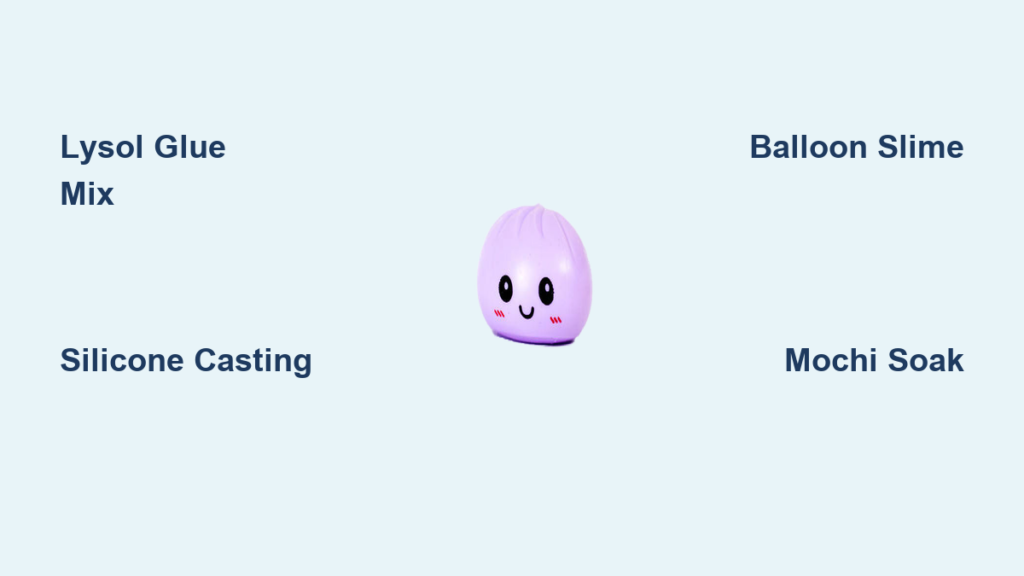

You unbox a squishy dumpling toy, soft and colorful, and immediately catch a sharp chemical smell. It smells like paint thinner or gasoline, and it hits you before the toy even leaves the package. That odor is not just unpleasant. It is a warning sign that volatile organic compounds (VOCs) are actively off-gassing from the material.
The question of whether squishy dumpling toys are toxic has gained attention as these viral sensory items flood social media. Lab tests confirm that these toys release a cocktail of chemicals, some linked to respiratory issues, organ damage, and long-term health concerns. The danger is not one-time exposure. The real risk comes from repeated contact in poorly ventilated spaces, especially for young children.
This guide breaks down the science behind the smell, reveals what chemicals hide inside popular dumpling toys, and gives you clear steps to protect your family. You will learn how to test, ventilate, and decide whether the squish is worth the risk.
Lab-Tested Chemicals Found in Squishy Dumplings

Independent testing on multiple squishy dumpling toys uncovered a range of harmful VOCs, especially in off-brand versions purchased from major retailers.
Off-Brand Dumplings Carry the Highest Risk
Four off-brand toys purchased from Amazon.ca and Canadian Tire were analyzed. All four released at least four hazardous chemicals when sealed in a testing bag for 10 minutes.
• Toluene is a solvent tied to dizziness, headaches, and long-term neurological harm
• Dimethylformamide (DMF) damages the liver and kidneys with prolonged exposure
• Glutaraldehyde triggers asthma-like symptoms and lung irritation
• 1,3-Butanediol is low risk in small amounts but irritating when concentrated
• Formaldehyde was detected in one sample and is a known human carcinogen
The testing equipment could only identify up to 20 compounds at a time. This means hundreds of other VOCs may remain undetected in every sample tested.
Name-Brand Dumplings Are Not Risk-Free Either
Two major brand-name dumplings showed complex chemical profiles during testing. VOC levels were lower than off-brand versions, but dangerous substances were still present.
• Vinyl chloride is a confirmed carcinogen commonly found in PVC plastics
• Hydrogen chloride is a corrosive gas that can burn airways and eyes
• Acetic acid causes coughing and eye irritation at high concentrations
All detected chemicals fell below current regulatory limits. However, those limits do not account for cumulative exposure or long-term low-dose risks, especially in children who breathe faster and have developing organs.
Why the Chemical Smell Matters
The Stink Is Your First Warning Sign
That pungent, plastic-like odor is proof of active off-gassing. When new squishy toys smell strongly of chemicals, they are releasing VOCs into the surrounding air.
Key Insight: The stronger the smell, the higher the concentration of VOCs being emitted.
Father Jordan Collenette tested his child’s dumpling with a personal air monitor. The device maxed out and could not register the full VOC level. This real-world reaction signals that exposure in enclosed spaces like a child’s bedroom could reach concerning levels.
Real Exposure vs. Lab Conditions
How Risk Changes with Ventilation
The lab test sealed each toy in a bag for 10 minutes, trapping all emitted gases. This created a worst-case scenario with much higher concentrations than typical room exposure.
In a well-ventilated space, VOCs disperse quickly. But in closed rooms, cars, or near a child’s face during play, concentrations can build up over time.
Common Risk Factors:
• Sleeping with the toy under a pillow
• Playing in a small, unventilated room
• Frequent mouthing or sniffing of the toy
Children are especially vulnerable due to faster breathing rates and still-developing organs.
How to Reduce Toxic Risk from Squishy Dumplings
Air Them Out for at Least One Week
The most effective way to reduce VOC exposure is time combined with airflow. Ventilation is your best defense against squishy dumpling toxic effects.
Ventilation Protocol:
- Open the packaging immediately upon arrival
- Place the dumpling in a sunny, airy spot near a window or fan
- Leave it for 7 to 14 days before allowing any play
- Re-smell the toy after one week. If it still stinks, keep airing it out
Professor Paul Bozak from the University of Toronto recommends airing out any new dumpling for at least a week, possibly longer, before letting a grandchild play with it. After a week of ventilation, VOC emissions typically drop to near-undetectable levels in open air.
Choose Safer Options When Possible
Avoid Off-Brand Dumplings
The four off-brand toys tested contained more hazardous chemicals than name-brand versions. While not every off-brand toy is unsafe, lack of regulation increases the risk.
Look for Safety Certifications
Until stricter standards exist, opt for toys with recognized safety labels:
• ASTM F963 (U.S. toy safety standard)
• EN71 (European safety certification)
• Phthalate-free or PVC-free labels
If no safety information is listed, assume higher risk.
Can You Test for VOCs at Home?
DIY Detection Methods
While home tools cannot match lab accuracy, they help you assess risk before handing a toy to a child.
Use a VOC Monitor
• Devices like the Temtop M2000 or Arboair A1 give real-time readings
• Test the air around the toy in a closed container
• Readings above 0.5 ppm indicate noticeable off-gassing
• Levels over 5 ppm suggest high emissions. Keep the toy away from kids
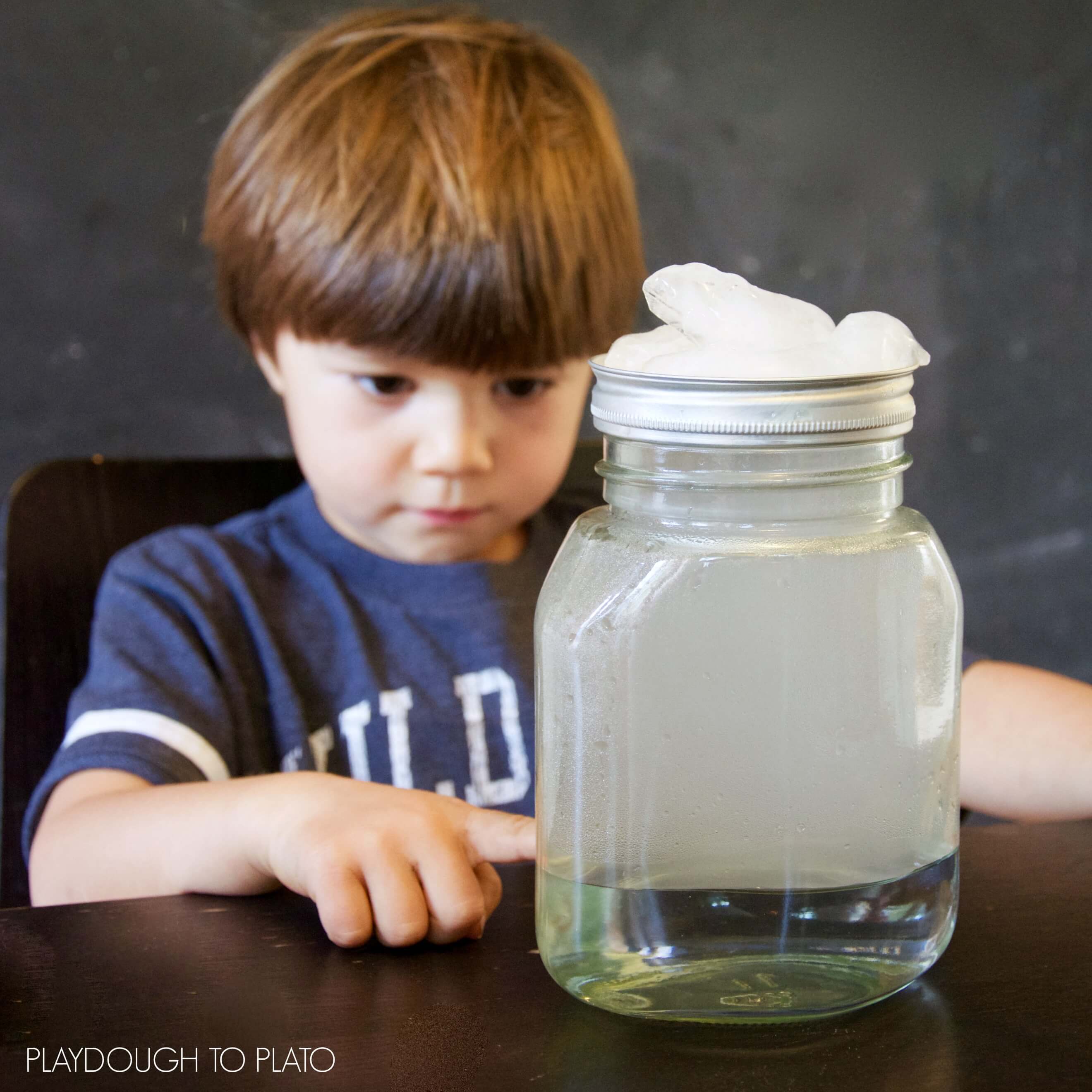
The Jar Test (No Tools Needed)
- Place the dumpling in a glass jar
- Seal it and leave in sunlight for 1 hour
- Open and smell immediately
A strong chemical odor means high VOC release. No smell means the toy is likely safe to handle. This method is not foolproof, but it works as a quick warning system.
Long-Term Safety Concerns with Squishy Dumplings
Cumulative Exposure Adds Up Over Time
One dumpling aired out in a living room likely poses minimal risk. Problems arise when multiple VOC-emitting toys are used together, stored in closed bins, or played with daily in small rooms.
Think of it like secondhand smoke. No single exposure may cause immediate harm, but repeated contact increases health risks over time.
At-Risk Groups:
• Children under 12
• People with asthma or allergies
• Pregnant individuals
• Those with chemical sensitivities
For these groups, even low-level VOC exposure can trigger symptoms.
Why Aren’t These Toxic Squishy Dumplings Banned?
Manufacturer Responsibility and Regulation Gaps
Most squishy dumplings are made from PVC (polyvinyl chloride) or TPR (thermoplastic rubber). Both materials are known to leach VOCs when new.
Current safety standards focus on ingestion hazards and lead content, not gas emissions. As a result:
• No mandatory VOC labeling exists for toys
• Manufacturers are not required to disclose off-gassing chemicals
• Limited testing covers long-term inhalation risks
Until regulations catch up, consumers must take precautions themselves.
Safer Alternatives to Squishy Dumplings

Sensory Toys Without the Chemical Risk
If you want a stress-relief toy without worrying about squishy dumpling toxic concerns, consider these non-toxic options:
• Silicone stress balls are durable, odorless, and easy to clean
• 100% natural rubber toys are biodegradable and low-emission
• Wool or cotton fidgets work well for tactile stimulation
• Kinetic sand or putty (non-PVC) should carry eco-certifications
Always wash new toys before use. Even plush or fabric items can carry residual chemicals from manufacturing.
When to Say No to the Squish
Red Flags That Mean Stop Use Immediately
Discard or isolate the dumpling if any of these warning signs appear:
• It emits a gasoline, paint, or burning plastic smell
• Anyone experiences coughing, dizziness, or headaches after handling
• The toy feels sticky, oily, or degrades quickly
• It was sold without a brand name or safety labels
Trust your nose. If it smells bad, it is releasing something harmful into the air.
Frequently Asked Questions About Squishy Dumpling Toxicity
Are squishy dumplings toxic to children?
Squishy dumplings are not immediately toxic, but they release VOCs that can cause health issues with repeated exposure. Children are more vulnerable due to faster breathing rates and developing organs.
What chemicals are in squishy dumplings?
Lab tests found toluene, dimethylformamide, glutaraldehyde, formaldehyde, vinyl chloride, hydrogen chloride, and acetic acid in various samples. Off-brand versions contained more hazardous chemicals than name-brand toys.
How long should I air out a squishy dumpling?
Air out new squishy dumplings for at least 7 to 14 days in a well-ventilated area. Re-smell the toy after one week. If the chemical odor persists, continue ventilating it.
Can squishy dumpling smell make you sick?
Yes, strong chemical odors from off-gassing VOCs can cause headaches, dizziness, coughing, and eye irritation. Prolonged exposure may lead to more serious respiratory or neurological effects.
Are name-brand squishy dumplings safer than off-brand?
Name-brand dumplings showed lower VOC levels in testing, but they still contained hazardous chemicals like vinyl chloride and hydrogen chloride. No squishy dumpling is completely free of risk.
What should I do if my child already played with a smelly dumpling?
Move the toy to a ventilated area immediately and stop use until the smell fades. Monitor your child for symptoms like headaches, coughing, or skin irritation. Consult a doctor if symptoms persist.
Key Takeaways on Squishy Dumpling Toxicity
Squishy dumpling toys are not instantly dangerous, but calling them safe ignores real science. Lab tests confirm that these toys emit volatile organic compounds linked to respiratory problems, organ damage, and cancer with prolonged exposure.
Most Important Points:
• All squishy dumplings emit VOCs, and some release far more than others
• Off-brand versions carry the highest chemical risks
• Air out every new dumpling for 7 to 14 days before play
• Never allow play while the toy still smells chemical
• Choose certified, labeled toys whenever possible
• Ventilation is your strongest defense
Until manufacturers are required to test and disclose VOC emissions, your nose and your caution are your best protection. Let the squish wait. Your family’s health is worth more than a shortcut.
Next Step: Check any squishy dumplings in your home right now. If they still smell chemical, move them to an open, sunny spot and give them at least one week to air out before your child plays with them again.