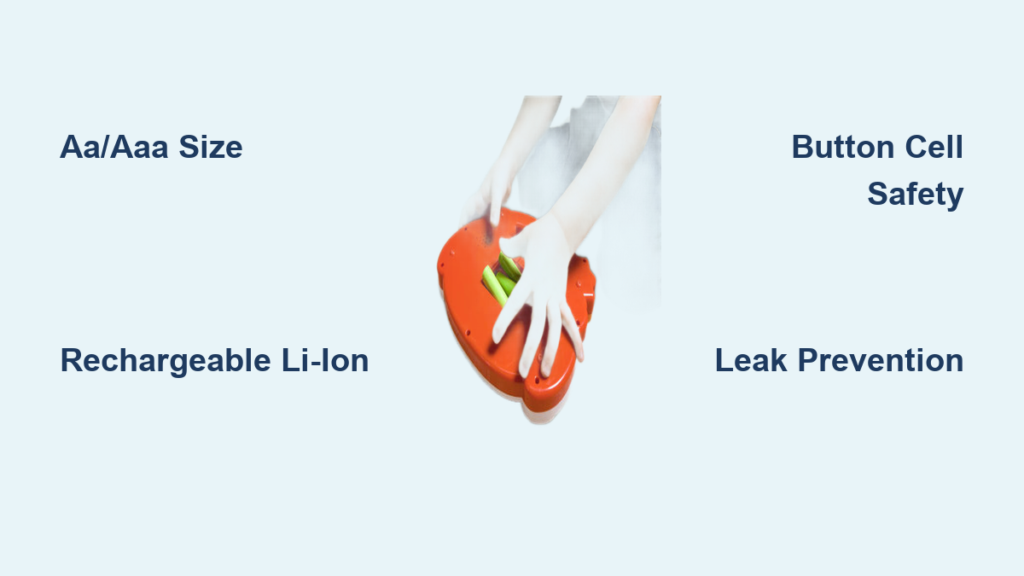
Every parent knows the frustration: a child’s favorite toy suddenly stops working, and it’s time to rummage through the battery drawer. The right battery can mean hours of uninterrupted play, while the wrong one might lead to poor performance, safety risks, or even damage. Understanding types of toy batteries—from common AA cells to tiny button batteries—is essential for both safety and performance.
With so many options on the market, choosing the best battery type isn’t just about size. It matters chemistry, rechargeability, power output, and long-term value. This guide breaks down every major type of toy battery, including their pros, cons, safety concerns, and ideal uses.
Common Battery Sizes in Toys
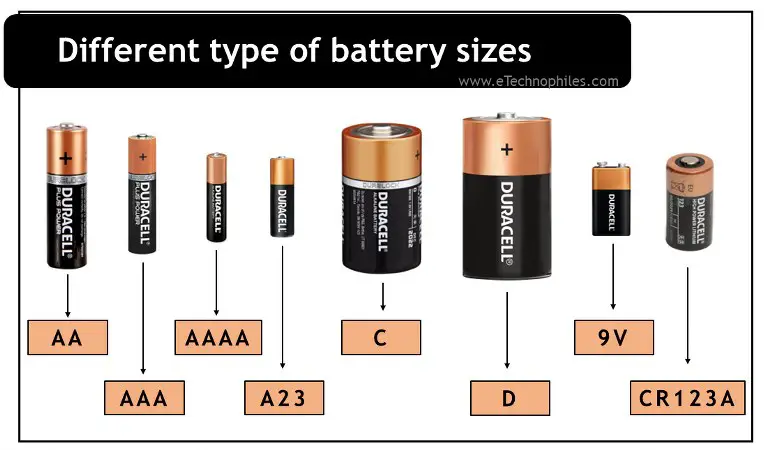
Toys use several standardized battery sizes, each suited to different power demands and device designs. Understanding these sizes helps you match the right battery to your child’s toy.
AAA and AA Batteries
AAA and AA are the most widely used battery sizes in children’s toys. AA batteries hold more energy than AAA, making them better for high-drain toys like robots or motorized vehicles. AAA cells work well in compact devices such as small flashlights or handheld games.
Many modern toys use four AA batteries to deliver consistent power. Always check the toy label for size requirements before purchasing replacements.
C and D Batteries
Larger toys that need extended runtime often use C or D batteries. These are common in older or industrial-style toys, such as large flashlights, musical instruments, or ride-on vehicles. D cells have the highest capacity among standard cylindrical batteries, providing long playtime without frequent replacements.
While less common in today’s compact electronics, they’re still found in high-power or vintage-style toys.
9V and Button Cells
9V batteries power some electronic toys, including toy guitars, science kits, and walkie-talkies. Their rectangular shape and snap connector make them easy to identify.
Button cells like CR2032, CR2025, and LR44 are used in small digital toys, key fobs, and musical greeting cards. Despite their small size, they pose serious ingestion risks, especially for young children. Always ensure these are secured behind screw-fastened compartments.
Primary vs. Rechargeable Batteries

Batteries fall into two main categories: single-use primary batteries that must be replaced, and rechargeable secondary batteries that can be used hundreds of times. Each type has distinct advantages and drawbacks for toy applications.
Alkaline Batteries: The Standard Choice
Alkaline batteries are the go-to option for most toy owners. Available in AA, AAA, C, D, and 9V sizes, they offer 1.5 volts per cell and are inexpensive to buy. They work well in low- to medium-drain toys such as remote controls, clocks, and basic sound modules.
They have a long shelf life of up to 7 years and perform reliably when stored properly. However, they degrade quickly in high-drain devices. Motorized toys can drain them in hours, and they’re prone to leaking potassium hydroxide, which corrodes internal circuits. Avoid leaving alkaline batteries in toys between uses, especially if not played with regularly.
Zinc-Carbon: Budget Option
Zinc-carbon batteries are the cheapest primary cells, often sold as general purpose. They also output 1.5V but have significantly lower capacity and performance than alkaline. They’re best suited for very low-drain toys like simple flashlights or non-motorized sound toys.
Due to poor performance and high leakage risk, they’re not recommended for modern electronic toys. Their short lifespan means more frequent replacements, increasing long-term cost and waste.
Single-Use Lithium: Long-Lasting but Costly
Lithium primary batteries, such as CR2032 and CR123A, offer superior energy density and temperature resistance. They’re ideal for memory backup, watches, and small electronics. A CR2032 can last years in a calculator or digital toy.
However, they’re expensive and not designed for high-current applications. The biggest concern is ingestion hazard. Lithium button cells can burn through a child’s esophagus in under two hours. CR2032 is the most dangerous due to its size and voltage. Keep all button batteries locked away and supervise toys that use them.
Rechargeable Battery Options
Rechargeable batteries cost more upfront but save money over time. They also reduce environmental waste from discarded single-use cells.
NiMH: Safe and Reliable
Nickel-Metal Hydride batteries are a popular rechargeable choice for toys. Available in AA, AAA, C, D, and 9V formats, they deliver 1.2 volts per cell, slightly less than alkaline. While this may cause compatibility issues in some voltage-sensitive devices, most toys handle the difference fine.
NiMH batteries excel in high-drain applications like RC cars, light-up toys, and robotics. They can be recharged 500 to 1000 times, making them cost-effective over time. Low Self-Discharge versions, such as Eneloop, come pre-charged and retain power for years.
They’re also safer than lithium options, with no fire risk under normal use. For families with frequent toy use, NiMH offers a balance of safety, performance, and sustainability.
1.5V Rechargeable Lithium-Ion: High Performance
Rechargeable lithium-ion AA and AAA batteries are game-changers. Unlike standard 3.7V Li-ion cells, these have built-in voltage regulators to deliver a steady 1.5V output, matching alkaline batteries perfectly.
They maintain constant voltage throughout discharge, avoiding the sudden death common with alkalines. With capacities up to 2500 mAh and cycle lives exceeding 1200 charges, they last longer than any other rechargeable option. A single 1.5V Li-ion AA battery powered a Game Boy for 29 hours in real-world testing, far outperforming NiMH. They also charge in 2 to 3 hours and resist self-discharge.
The catch is higher upfront cost and need for a compatible charger. Never use them with NiMH-only chargers.
LiPo Pouch Cells: Not for Kids
Lithium Polymer batteries are thin, flexible pouches used in custom electronics, drones, and robotics prototypes. They offer high energy density and can be shaped to fit tight spaces.
But they’re dangerous if mishandled. Puncturing, overcharging, or short-circuiting can cause swelling, fire, or explosion. Most lack built-in protection circuits, making them unsuitable for children’s toys. Experts strongly advise against using them in kid-focused devices unless fully enclosed and certified.
Choosing the Right Battery by Toy Type
Matching battery type to toy power requirements ensures optimal performance and prevents premature failures.
Low-Drain Toys
Toys like basic remotes, simple flashlights, or musical books draw little power. Alkaline batteries are sufficient here, offering long shelf life and low cost. Avoid zinc-carbon because they’ll die too fast.
For eco-conscious users, Low Self-Discharge NiMH is a reusable alternative, though slightly overkill for infrequent use.
High-Drain Toys
Motorized toys, RC vehicles, and LED-heavy devices demand sustained current. Alkaline batteries struggle here, dropping voltage quickly and leaking when drained.
NiMH or 1.5V Li-ion are far better choices. They deliver higher current, last longer, and reduce long-term costs. For LEGO Technic RC models or robotic pets, rechargeable lithium-ion ensures consistent speed and responsiveness.
Educational and STEM Toys
STEM kits, coding robots, and science projects need stable power for sensors, motors, and microcontrollers. Voltage fluctuations can disrupt performance.
1.5V rechargeable lithium-ion is ideal because its constant output maintains accuracy and prevents unexpected shutdowns. Some models include low-power indicators, warning users before failure.
For classroom use, invest in a set of high-capacity Li-ion AAs and a smart charger. The initial cost pays off in durability and reliability.
Safety First: Critical Risks to Avoid
Battery safety in children’s toys requires careful attention to ingestion hazards, chemical leakage, and thermal risks.
Button Cell Ingestion Danger
Over 3500 children are treated annually in the U.S. for button battery ingestions. CR2032 is the most hazardous because its 3V charge creates an electrical current in the moist tissue of the esophagus, causing severe burns in under 2 hours.
Always use toys with screw-secured battery compartments for any coin cell. Never let young children play with devices that have easily accessible button batteries. If ingestion is suspected, seek emergency medical help immediately. Do not induce vomiting.
Battery Leakage and Corrosion
Alkaline and zinc-carbon batteries often leak corrosive potassium hydroxide, especially when left in toys after dying. This can destroy circuits and create skin irritation risks.
Prevent damage by removing batteries after use, using high-quality brands with anti-leak technology, and choosing sealed NiMH or regulated lithium-ion cells.
Fire and Thermal Hazards
LiPo batteries pose the highest fire risk. Even small punctures can trigger thermal runaway. Never charge them unattended or leave them near flammable materials.
Rechargeable lithium-ion AA batteries include protection circuits for overcharge, over-discharge, short-circuit, and temperature, making them much safer. Still, use only with recommended chargers. NiMH is the safest chemistry overall, with no fire risk in normal conditions.
Cost and Long-Term Value
Understanding the true cost of batteries requires looking beyond the initial purchase price to lifetime expenses.
Upfront vs. Lifetime Cost
Battery type significantly impacts long-term spending. Alkaline batteries seem cheap at $2.99 for an 8-pack, but they last only one use. NiMH batteries cost around $35.99 for 8 but can be recharged 500 times, bringing cost per use to about $0.07. Rechargeable lithium-ion costs more upfront at $45.99 for 8 but lasts over 1200 cycles, dropping cost per use to just $0.03.
Even with a $15 charger included, the investment pays off within months of regular use. For families with multiple electronic toys, rechargeable lithium-ion offers the lowest lifetime cost.
Environmental Impact
Single-use batteries contribute to electronic waste. Alkaline and zinc-carbon cells are recyclable but often end up in landfills. Rechargeable batteries, especially 1.5V Li-ion and NiMH, drastically reduce waste. One Li-ion battery replaces over 1000 disposables.
For sustainability, choose rechargeables and recycle them at designated drop-off points.
Charging Best Practices
Proper charging extends battery life and prevents safety hazards.
Use External Chargers
The safest way to charge batteries is outside the toy using a dedicated external charger. This allows precise charge control, individual cell monitoring, battery rotation, and easier health checks.
Smart chargers with auto-shutoff and temperature sensors prevent overcharging and extend battery life. Look for models that charge AA and AAA cells independently.
Avoid Internal Charging When Possible
Some toys have built-in USB ports for charging internal batteries. While convenient, this design increases risk. Poor circuits can overheat, failed batteries are hard to replace, and LiPo cells become fire hazards if unprotected.
Toy designers are advised to use removable NiMH AA batteries instead of internal LiPo for safety and compliance.
Expert Recommendations by Use Case
Different users have different needs. Here’s what experts recommend based on your situation.
For Parents: Best Battery Choices
The top pick is 1.5V AA rechargeable lithium-ion because it offers longest runtime, fast recharge, no voltage drop, and lowest cost over time. The budget alternative is Low Self-Discharge NiMH such as Eneloop because it’s safe, reliable, and widely compatible. Avoid button cells in toys for children under 6 and cheap alkalines in motorized toys.
For Toy Designers: Safety and Compliance
The recommended approach is removable NiMH AA batteries in screw-secured holders because they meet ASTM F963 and IEC 62115 safety standards, simplify certification, and reduce liability. Avoid internal LiPo unless fully protected and certified. Follow standards including UL 2271 for ride-on toys and IEC 62115 for electric toy safety.
For STEM and High-Performance Toys
The best option is 1.5V rechargeable lithium-ion because it powers robotics, gaming devices, and sensors reliably, maintains consistent voltage for accurate operation, and is ideal for classrooms and frequent use.
Key Takeaways for Choosing Toy Batteries
Understanding types of toy batteries empowers smarter, safer purchasing decisions. Three battery types stand out for different needs.
1.5V rechargeable lithium-ion AA batteries deliver the best overall performance, longest lifespan, and lowest cost per use. They’re ideal for high-drain toys and frequent play. Low Self-Discharge NiMH offers the best balance of safety, availability, and eco-friendliness for families wanting a reliable middle ground. Alkaline batteries are acceptable only for low-drain, occasional-use toys.
Button cells and LiPo batteries should be used with extreme caution or avoided entirely in children’s products. Always choose toys with secure battery compartments, and keep all button batteries locked away from young children.
Invest in rechargeable lithium-ion batteries for high-use toys. They cost more upfront but save money, reduce waste, and deliver unbeatable performance. For younger kids, prioritize secure battery compartments and avoid accessible coin cells at all costs.
Frequently Asked Questions About Types of Toy Batteries
What is the best battery type for motorized toys?
Rechargeable lithium-ion 1.5V AA batteries or NiMH are best for motorized toys. They deliver higher current than alkaline, last longer, and maintain consistent voltage throughout use.
Are button batteries safe in children’s toys?
Button batteries pose serious ingestion risks for children under 6. They should only be used in toys with screw-secured compartments. Many safety standards recommend avoiding them in toys for young children entirely.
How long do rechargeable lithium-ion batteries last?
1.5V rechargeable lithium-ion batteries can be recharged over 1200 times and maintain capacity for many years. They typically last significantly longer than NiMH or alkaline options.
Can I use rechargeable batteries in all toys?
Most toys accept rechargeable NiMH or lithium-ion batteries. However, some voltage-sensitive devices may not work optimally with NiMH’s 1.2V output. 1.5V lithium-ion solves this by matching alkaline voltage exactly.
Why do alkaline batteries leak?
Alkaline batteries leak when left in devices after they’re drained. The potassium hydroxide electrolyte can corrode circuits and damage toys. Remove batteries from toys that won’t be used for extended periods.