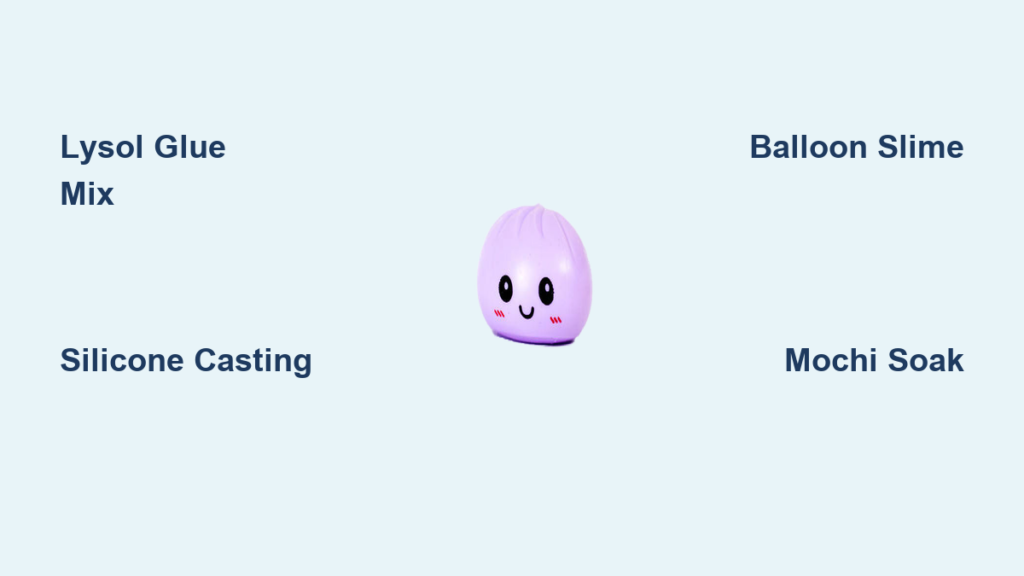

Imagine squeezing a soft, plump dumpling that springs back perfectly in your hand. Cute, calming, and completely safe to play with. That’s the charm of a DIY dumpling squishy. But here’s something every crafter should know: many viral dumpling squishies sold online contain toxic chemicals like benzene and styrene, and they often smell strongly of gasoline. Lab tests show some products exceed legal safety limits by more than four times.
This guide teaches you how to make a dumpling squishy at home using non-toxic materials and proven sealing techniques. You’ll learn how to avoid harmful fumes, prevent messy leaks, and create a long-lasting squishy with adorable facial details. Whether you choose a TPR wrapper or a simple balloon, every step is covered, from filling prep to final curing.
Choose Safe Non-Toxic Materials

Why Commercial Squishies Can Be Dangerous
Most viral dumpling squishies are made with Thermoplastic Rubber (TPR) processed using industrial solvents. While pure TPR is safe, the manufacturing process often leaves behind benzene, styrene, and xylene. These chemicals are linked to respiratory problems and cancer. If your squishy smells like gasoline, it is releasing volatile organic compounds and should be discarded immediately.
DIY Supplies You Can Trust
Making your own gives you complete control over every material. Stick to these verified supplies:
– Clear rested slime (homemade or non-toxic store-bought)
– Food coloring (one drop maximum)
– Cosmetic-grade glitter flakes
– TPR wrapper (transparent and stretchy) or a purple balloon as an alternative
– Super Glue (Silicone or 3D Repair type) for sealing
– Transfer sheets for facial features
– Plastic wrap for curing seals
Never use adhesives with strong chemical odors, as these often contain hidden solvents.
Prepare the Squishy Filling
Mix Glitter and Color Gently
Start with clear slime that has rested for two to three days to eliminate air bubbles. In a clean bowl, combine the clear slime with a pinch of glitter flakes and one drop of food coloring.
Use your hands to twist the mixture only two to three times. This creates beautiful marbled swirls without overworking the slime. Over-mixing clouds the color and ruins the visual effect.
Pro Tip: If the slime feels sticky, dust it lightly with cornstarch and knead gently.
Avoid Cloudy or Flat Results
Cloudiness means you mixed too much or used low-quality slime. A flat squishy suggests under-filling. Aim for a plump, bouncy texture that delivers the most satisfying squeeze every time.
Fill the Dumpling Wrapper
Use a Syringe for Precision
If you are using a TPR wrapper, insert a syringe through the opening at the base. Slowly inject the slime mixture until the dumpling looks full and rounded, just like a real steamed dumpling.
Visual cue: The wrapper should bulge slightly but not strain at the seams.
Add Layers When Needed
If the shape isn’t plump after the first fill, add a second small layer. Don’t rush this step. Under-filling leads to a limp, unsatisfying squish that nobody enjoys squeezing.
Balloon Method Alternative
No TPR wrapper on hand? Use a purple balloon instead:
1. Flip the balloon inside out
2. Tie the top with a hair tie (this hides the knot inside)
3. Flip it back to the right side
4. Fill with colored slime using a funnel or syringe
5. Tie the neck tightly and cover the knot with tape
This version is stretchier but slightly less durable than TPR.
Seal the Base for Leakproof Strength
Insert and Glue the Plug
After filling, insert a small plug into the opening. This can be a tight ball of extra slime or a tiny plastic piece.
Apply Super Glue (Silicone or 3D Repair type) around the rim and onto the plug. This glue slightly melts the TPR, creating a fused, airtight seal.
Warning: Wear gloves and work in a ventilated area. Fumes are strong but dissipate quickly when cured.
Wrap and Cure for 24 Hours
Immediately wrap the sealed area tightly with plastic wrap. This blocks air and prevents the glue from drying too fast on the surface while staying soft underneath.
Let it sit undisturbed for 12 to 24 hours. Do not touch or test squeeze during this time. This is the most critical step for long-term durability.
Why this works: Plastic wrap creates a moisture-controlled environment, allowing the bond to cure evenly and flexibly.
Skip E6000 for Base Seals
Testing shows E6000 glue fails completely as a base seal. Plugs pop off after just two or three squeezes. Save E6000 only for attaching eyes or sealing transfer sheets.
Add Facial Features That Last
Use Transfer Sheets for Best Results
Transfer sheets are thin, flexible films that stretch with the TPR when squeezed. Unlike stickers, they won’t peel or crack. Follow these steps:
1. Scratch off the backing
2. Press the image onto the dumpling
3. Apply a thin top coat of E6000 glue over the surface
This overlay protects against friction and repeated squeezing.
Reinforce Stickers or Painted Details
If using clear stickers, apply TPE glue to the back before sticking. Add white acrylic paint dots for shine in the eyes.
For hand-painted faces, mix acrylic paint with E6000 at a 50/50 ratio. Use a fine brush for details and let dry fully before handling.
Avoid plain paint alone. It cracks when the wrapper stretches.
Draw on Balloon Versions
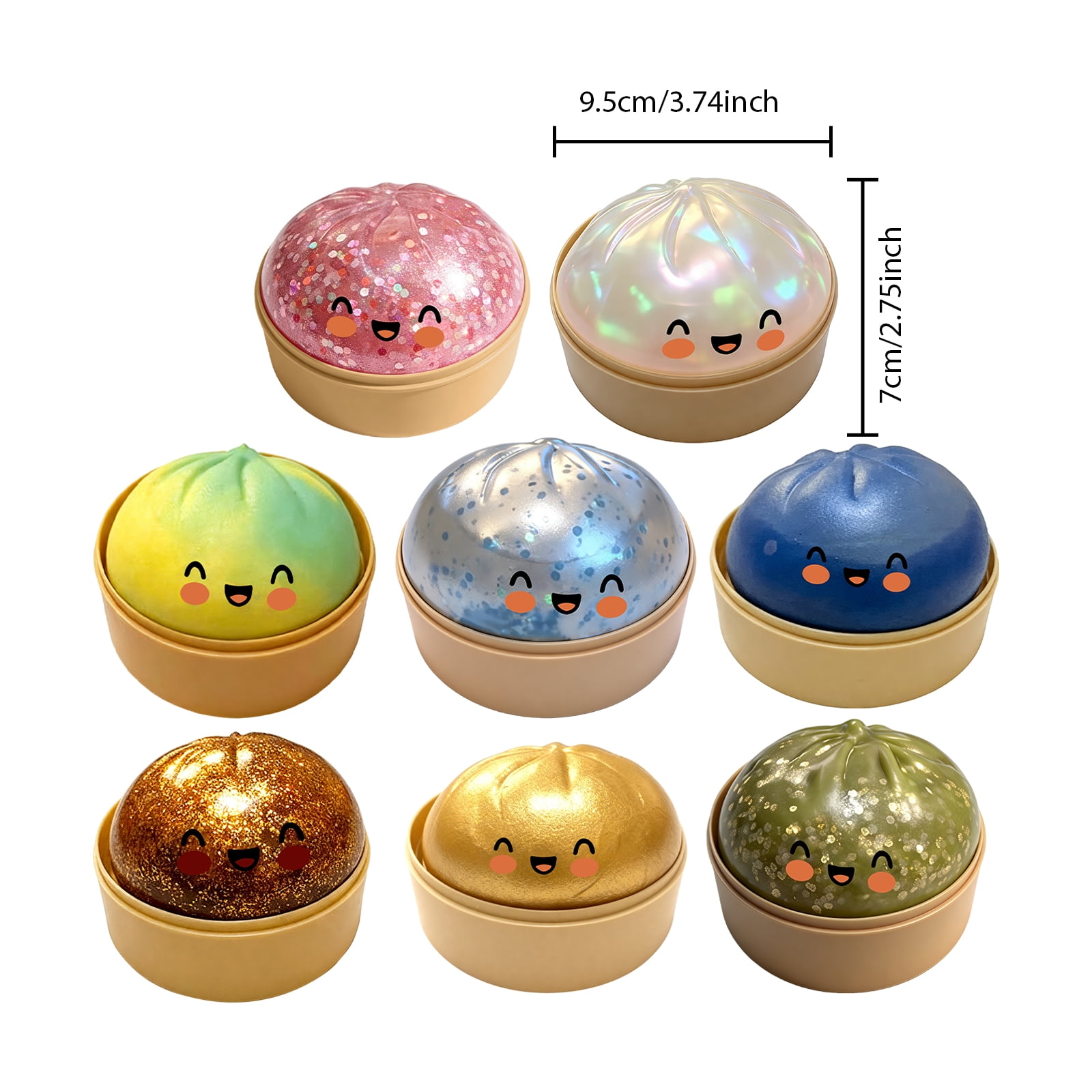
For balloon-based squishies, use a Sharpie permanent marker to draw cute expressions. Reference popular dumpling faces with wide eyes, blushing cheeks, and a small smile. Let the ink dry completely before handling.
Build a Bamboo Basket Display

Gather Paper Materials
Complete the illusion with a mini bamboo steamer basket made from:
– Printer paper with a bamboo pattern printed on it
– Scissors
– Tape
Assemble the Basket
Cut two circles for the base and lid, plus two rectangles for the side walls. Tape the rectangles into a cylinder and attach to one circle. Leave the lid separate or loosely attached.
Place your finished squishy inside. It instantly looks like a real dumpling ready to eat (but please don’t!).
Test for Safety and Quality

Check for Odor and Stickiness
A safe, well-made squishy should be completely odorless after curing. It should not feel sticky or oily to the touch.
If there’s a chemical smell, the product likely contains residual solvents. Do not use it.
Perform a Squeeze Test
After 24 hours, gently squeeze the dumpling and check:
– No leaks? ✔️
– Plug stays sealed? ✔️
– Eyes remain intact? ✔️
If the plug pops, reseal with Super Glue plus plastic wrap and cure again.
Fix Common Problems Fast
Plug Keeps Popping Out
Cause: E6000 or weak glue used on the base.
Fix: Reseal with Silicone or 3D Super Glue, wrap in plastic, and cure for 24 hours.
Eyes Peel or Crack
Cause: Standard stickers or plain paint.
Fix: Switch to transfer sheets with an E6000 top coat, or paint mixed with glue.
Filling Looks Cloudy
Cause: Over-mixing or uncured slime.
Fix: Use rested, bubble-free slime and twist gently two to three times only.
Strong Chemical Smell
Cause: Low-quality glue or contaminated materials.
Fix: Work in ventilation, use odorless glues, and avoid Diamond Painting kit adhesives.
Frequently Asked Questions About Making a Dumpling Squishy
Are commercial dumpling squishies safe to buy?
Many viral dumpling squishies sold online contain unsafe levels of benzene, styrene, and xylene. UK lab tests found some products exceeded legal benzene limits by over four times. If a squishy smells like gasoline, discard it immediately and consider a DIY version instead.
What is the best glue for sealing a squishy dumpling base?
Super Glue (Silicone or 3D Repair type) is the best choice for sealing the base. It slightly melts the TPR wrapper and creates a strong, airtight bond. E6000 fails at the base, with plugs popping off after just two or three squeezes.
How long should I let my squishy cure after sealing?
Let your squishy cure for 12 to 24 hours while wrapped in plastic wrap. This moisture-controlled environment allows the glue to set evenly and flexibly without skinning over too quickly on the surface.
Can I make a dumpling squishy without a TPR wrapper?
Yes, you can use a purple balloon as an alternative. Flip it inside out, tie the top with a hair tie, flip it back, fill with colored slime using a funnel, then tie the neck tightly and cover the knot with tape. Draw the face on with a Sharpie marker.
Why does my slime filling look cloudy?
Cloudy filling usually means you over-mixed the slime and glitter. Twist the mixture only two to three times to preserve clear marbled swirls. Using rested, bubble-free slime also helps maintain clarity.
How do I keep the eyes from peeling off?
Use transfer sheets sealed with a thin E6000 top coat for the most durable results. Transfer sheets stretch with the TPR wrapper, preventing peeling and cracking during repeated squeezing.
Key Takeaways for Making a Safe Dumpling Squishy at Home
Making your own dumpling squishy is the only reliable way to guarantee it is safe, durable, and truly satisfying to squeeze. Use a TPR wrapper with rested clear slime, seal the base with Super Glue under plastic wrap, and finish with transfer-sheet faces sealed with E6000.
Avoid toxic commercial knockoffs, skip E6000 for base seals, and always let your squishy cure fully for 24 hours. Once complete, display it in your handmade bamboo basket and enjoy a worry-free, stress-relieving squeeze every time.
Your next step: Gather your materials today and start crafting. In just 24 hours, you’ll have a plump, adorable dumpling squishy that’s completely safe and built to last.