
Picking the perfect toy gift can feel overwhelming, especially when you want it to be more than just a passing distraction. With countless options, flashy packaging, and ever-changing trends, it’s easy to default to impulse buys. But the best toy gifts aren’t the loudest or shiniest; they’re the ones that spark imagination, support development, and bring lasting joy. This guide walks you through the research-backed way to choose a toy that truly matters, so your gift becomes a tool for growth, not just clutter.
Whether you’re a parent, grandparent, aunt, uncle, or family friend, choosing the right toy means thinking beyond age labels. You need to consider the child’s personality, your relationship with them, and what kind of play the toy encourages. Let’s break down exactly how to make that choice with confidence.
Match the Gift to Your Role
Your relationship with the child shapes what kind of gift will be most welcome and least burdensome for the family. Understanding your gifting position is the first step to choosing well.
Parents: Prioritize Play Systems
As a parent, your focus should be on long-term value and integration into daily life. Choose toys that support daily routines, encourage independent play, and don’t add to sensory overload.
• Opt for quiet, durable, and space-efficient items
• Avoid toys that are overly loud, messy, or require constant supervision
• Invest in play systems that grow with the child, like building blocks or art supplies
A high-quality wooden block set can evolve from stacking for a toddler to engineering projects for a school-age child.
Grandparents: Give Meaning, Not Clutter
Grandparents often play a unique emotional role. Use your gift to create lasting memories and sentimental value.
• Choose timeless, high-quality items like engraved jewelry, personalized books, or heirloom toys
• Consider experience-based gifts like a photo album, memory box, or contribution to a future trip
• Avoid large, noisy toys unless you’ve confirmed with parents first
A hardcover book with a handwritten note on the first page becomes a keepsake long after the story is memorized.
Relatives and Friends: Add Joy Without Burden
Aunts, uncles, and family friends are in the perfect position to bring delight and surprise without overwhelming the household.
• Focus on accessories or expansions to existing interests
• Try small, creative kits like sticker books, sidewalk chalk, craft boxes, or costume props
• Avoid duplicating popular toys the child likely already owns
If it doesn’t fit in a shoebox, ask the parents first.
Understand the Child’s Stage and Style

A toy that’s perfect for a 2-year-old can frustrate a 5-year-old, and vice versa. Match the toy to the child’s current abilities, not just their age on the calendar.
Pick Based on Development
Children develop at different rates, but certain milestones align with age ranges. Here’s how to match toys to developmental stages.
0-12 Months: Sensory Exploration
Babies learn through touch, sound, and sight. Choose toys that stimulate the senses safely.
• Soft blocks, rattles, and crinkly toys
• Board books with textures and high-contrast patterns
• Activity gyms or play mats
• Plush comfort items that may become long-term soothers
Safety matters most here: no small parts, strings, or toxic materials. Everything should be washable and chew-safe.
1-2 Years: Movement and Repetition
Toddlers are mastering walking and language. They repeat actions to learn, stacking, pushing, dropping, and naming.
• Stacking cups, shape sorters, and chunky puzzles
• Push and pull toys with activity panels
• Simple musical instruments like drums and shakers
• Pretend-play starters like toy phones or animal figures
Repetition builds motor skills, focus, and understanding of cause and effect.
2-3 Years: Pretend Play Takes Off
Imagination explodes during this stage. Toddlers begin symbolic thinking, where a block becomes a phone or a blanket becomes a cape.
• Duplo blocks, wooden trains, and magnetic tiles
• Play kitchens, tool sets, and dollhouses
• Dress-up clothes, toy food, and action figures
• Modeling dough and washable crayons
This is the peak of make-believe. Toys that support storytelling are particularly valuable.
3-4 Years: Focus, Rules, and Cooperation
Preschoolers can follow simple rules and play with others. They enjoy completing tasks and building things.
• Train sets with tracks and figures
• Larger building sets like Magna-Tiles or Lego
• Pretend-play kits like doctor, firefighter, or grocery store sets
• Outdoor toys like trikes, balance bikes, and ball sets
• Early STEM toys like sorting games and simple science kits
Outdoor play helps regulate energy and improves sleep at this age.
5-6 Years: Mastery and Achievement
School-age kids love to win, build, and complete. They enjoy challenges and showing off new skills.
• Age-appropriate Lego sets
• Board games like Candy Land, Guess Who, or simple strategy games
• Craft and science kits
• Bikes, scooters, and sports gear
• Beginner musical instruments or journals
These toys support goal-setting and confidence-building.
7-10 Years: Refine Interests and Identity
Kids start to specialize during this period, gravitating toward art, sports, science, or collecting. They still love play but with more sophistication.
• Advanced building kits like Lego Technic or Meccano
• Art supplies like painting, embroidery, and jewelry-making sets
• Collectible figures like Funko Pops or action heroes
• Dual-purpose comfort items like Warmies that are soft, heatable, and sensory-friendly
• Kid-friendly tech like cameras or tablets for school
Cute items are still cool, but it helps if they’re also useful.
10-13 Years: Independence and Learning
Preteens seek autonomy and identity. They’re drawn to tech, hobbies, and self-expression.
• STEM kits like robotics, coding, or science experiments
• Tech gifts like instant-print cameras or headphones
• Room decor like fairy lights, posters, or wall art
• Hobby kits like magic, model building, or DIY electronics
Let them choose. Take them shopping with a set budget and pair it with lunch or a movie.
13+ Years: Self-Expression and Experience
Teens value personal taste and time with loved ones more than objects.
• Let them pick their own gift
• Offer experience-based gifts like concert tickets, gift cards, or escape room visits
• Try subscription boxes for books, art, or snacks
• Give the gift of time with a day out, movie, or cooking together
For teens, your attention is often the real gift.
Choose the Right Toy Type
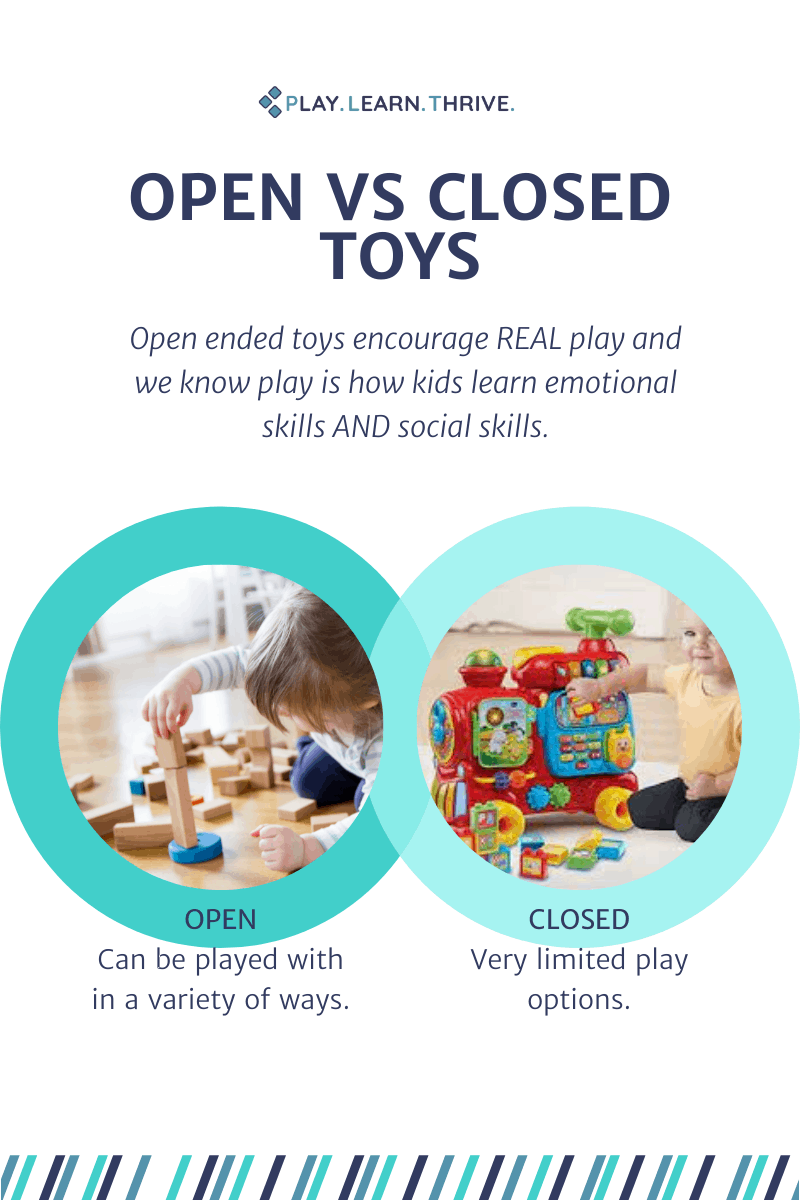
The type of toy matters as much as the specific item. Understanding the difference between open-ended and closed-ended toys helps you choose gifts that will actually get played with.
Favor Open-Ended Over Closed-Ended
The best toys grow with the child and encourage creative thinking.
Open-Ended Toys: Unlimited Possibilities
These toys have no right way to play. The child decides the story, structure, or outcome.
• Wooden blocks, art supplies, fabric scraps, and loose parts
• Promote creativity and problem-solving
• Support independent play
• Last for years as uses evolve
A block can be a tower, a car, or a sandwich. Imagination does the work.
Closed-Ended Toys: One Way to Play
These toys have a fixed outcome or rely on batteries to do the playing.
• Flashing electronic toys, single-function games, and pre-recorded dolls
• Short play life and reduced child-led creativity
• Often end up in the trash
Exception: Board games with rules teach turn-taking and strategy, which are valuable for social development.
Prioritize Active Over Passive Play
The more a child has to use their body and mind, the more they learn. Choosing toys that make kids do, not just watch, leads to better developmental outcomes.
Choose Toys That Make Kids Do
Active play toys require the child to engage physically and mentally.
• Building blocks
• Art kits
• Pretend-play sets
• Outdoor equipment
• Musical instruments
The more a toy does, the less your child has to do. This insight comes from the Mount Sinai Parenting Center and highlights why passive toys limit learning.
Passive Play Toys to Avoid
Some toys do the playing for the child.
• Battery-powered toys that perform actions
• Toys with loud sounds, flashing lights, or automated shows
• Single-use electronic games
If the toy plays the child, it’s not a great developmental tool.
Evaluate Quality and Safety
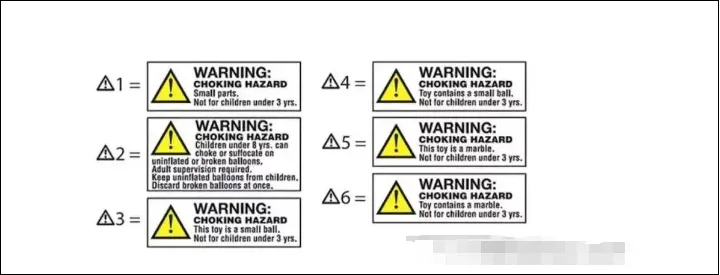
A great gift should be safe, durable, and built to last. Taking time to check quality standards prevents problems down the road.
Check for Safety Standards
All toys for children under 12 must be CPSC-certified.
• Look for third-party testing labels
• Verify certification on the CPSC website
• Avoid small parts for children under 3
• Avoid strings or cords that pose strangulation risks
• Avoid sharp edges, toxic paints, or BPA plastics
• Avoid loud noises that can damage hearing
Signs of High Quality
Quality matters for longevity and safety.
• Materials like wood, food-grade plastic, or organic cotton
• Solid joints, no loose parts, and durable finishes
• Brand reputation from companies like Melissa & Doug, Haba, PlanToys, or LEGO
• Warranty and reviews that indicate long-term durability
High-quality toys often cost more upfront but save money and reduce waste over time.
Maximize Longevity and Value
The best gifts are used again and again, often across multiple age ranges. Choosing toys that last maximizes your investment.
Choose Toys That Last
Long-lasting toys share certain traits.
• Open-ended use across developmental stages
• Durable materials that survive rough handling
• Expandable with add-ons like extra train tracks
• Timeless design not tied to fleeting trends
Top Long-Lasting Gift Ideas
These gifts stand the test of time.
• Wooden blocks that work from stacking to storytelling
• Classic books that get reread and passed down
• Art supplies that enable endless reuse with new projects
• Simple figures like animals or people that evolve from sensory toys to story props
• Play kitchens that remain popular for years in pretend play
A nesting cup starts as a stacking toy and later becomes a pot in a pretend soup kitchen.
Use the Ultimate Gift Checklist
Before you buy, run through these questions to ensure your gift is a hit.
Before You Buy, Ask
Relationship fit matters first. Is this appropriate for your role? Have you checked with parents about space or noise?
Child fit comes second. Does it match their age, stage, and personality? Is it open-ended and active? Does it encourage creativity, movement, or problem-solving?
Practical fit is essential. Is it safe and durable? Is it easy to store and clean? Does it meet CPSC safety standards?
Emotional fit adds meaning. Does it mark a milestone? Can it be personalized or paired with an experience?
Stick to the 5 Best Gift Categories
When in doubt, choose from these universally valuable toy types that experts consistently recommend.
1. Blocks
Building toys develop fine motor skills, creativity, and spatial reasoning. Examples include wooden blocks, LEGO, and Magna-Tiles.
2. Books
Books boost literacy, vocabulary, and bonding. Add a personalized note for extra meaning.
3. Art Supplies
Creative supplies encourage self-expression and fine motor control. Try crayons, paint, paper, and child-safe scissors.
4. Pretend Play
Imaginative play develops language, empathy, and storytelling. Ideas include play kitchens, costumes, and toy tools.
5. Movement Toys
Active toys support gross motor skills and energy regulation. Options include bikes, balls, scooters, and trikes.
These categories are developmentally sound, open-ended, and loved across ages.
Frequently Asked Questions About Choosing Toy Gifts
What is the most important factor when choosing a toy for a gift?
The most important factor is whether the toy matches the child’s developmental stage, personality, and interests. A toy that’s too advanced frustrates children, while one that’s too simple bores them. Consider what the child loves to do and choose accordingly.
Should I ask parents before buying a toy gift?
Yes, asking parents is always smart, especially for children over age 5 who may have strong preferences or the family may have space or noise constraints. Parents can also tell you if the child already has a particular toy.
Are expensive toys better gifts?
Not necessarily. The best toys aren’t defined by price but by fit. A well-chosen, durable, open-ended toy that matches the child’s interests often provides more value than an expensive toy that doesn’t engage them.
What are open-ended toys and why do they matter?
Open-ended toys have no fixed way to play. A wooden block can become a phone, a sandwich, or a building block. These toys encourage creativity, grow with the child, and typically last longer than single-purpose toys.
How do I choose a safe toy gift?
Check for CPSC certification, avoid small parts for children under 3, look for non-toxic materials, and ensure sturdy construction. Verify safety certification on the CPSC website before purchasing.
Key Takeaways for Choosing the Perfect Toy Gift
The best toy gift isn’t about being the biggest or most expensive. It’s about fit for the child, your relationship, and their family’s life. A well-chosen toy becomes more than a present. It becomes a tool for growth, a spark for imagination, and a memory in the making.
When you focus on active, open-ended play, durability, and developmental support, you’re not just giving a toy. You’re giving time, connection, and opportunity. That kind of gift keeps on giving.