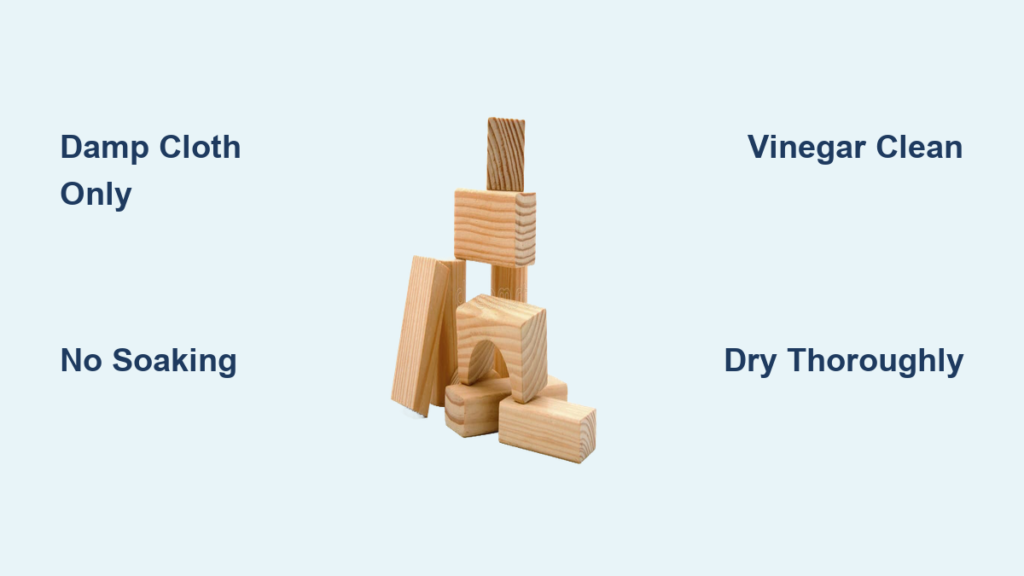
Wooden toy blocks are a timeless favorite among parents and educators for their durability, natural beauty, and eco-friendly appeal. Thanks to wood’s natural antimicrobial properties, these toys resist bacteria better than plastic, yet they still need regular cleaning, especially when chewed by teething babies or shared among multiple children. Because wood is porous, improper cleaning can lead to warping, cracking, or mold. The key is using gentle, non-toxic methods that remove grime without damaging the material. In this guide, you’ll learn safe, effective ways to clean, disinfect, and preserve your wooden blocks, keeping them hygienic, smooth, and beautiful for years.
Clean Wooden Blocks Without Water Damage
Wood swells and cracks when soaked, so avoiding excess moisture is essential. Even brief submersion can weaken glued joints or fade finishes. Instead of rinsing or soaking, use a lightly damp cloth to clean each block.
Use a Damp Cloth, Not a Wet One
Lightly mist a microfiber cloth with cleaning solution. Never spray blocks directly. Wipe all sides, edges, and engraved areas gently. For dust or light dirt, a dry cloth may be enough. Excess water absorbed into the grain leads to splitting over time, so always dry immediately after cleaning.
Avoid Dishwashers and Washing Machines
High heat and prolonged moisture destroy wooden integrity. Glues soften, finishes peel, and wood warps. Even gentle cycles are too harsh for natural materials. Never place wooden blocks in any appliance meant for dishes or laundry.
Choose Safe, Natural Cleaning Solutions
Harsh chemicals leave toxic residues, which is dangerous for toys frequently mouthed by toddlers. Stick to plant-based, food-safe ingredients that disinfect without risk.
Vinegar-Water Mix for Disinfecting
Standard solution uses 1 part white vinegar to 10 parts water. For tougher cleaning, use 1:4 or 1:2 ratio, up to 1:1 for stubborn stains. Apple cider vinegar works too, with a milder scent. Vinegar kills germs naturally and evaporates cleanly, making it ideal for high-contact toys.
Mild Soap Solution for Grease and Grime
Mix 1 teaspoon eco-friendly dish soap like castile soap with 1 cup warm water. Dampen a cloth without saturating it. Wipe the blocks, then follow with a clean water-dampened cloth to rinse off soap residue. Residue attracts dirt and may irritate sensitive skin or mouths.
Baking Soda Paste for Sticky Stains
Combine baking soda and water into a thick paste. Apply with a soft toothbrush to remove dried food, milk, glue, or fruit puree. Gently scrub, then wipe clean. This mild abrasive will not scratch wood but lifts stubborn residues effectively.
Step-by-Step Wooden Block Cleaning Process

Follow this method for daily or weekly maintenance of frequently used blocks.
Wipe Down Each Block
Spray solution onto a soft cloth, not the toy. Wipe every surface, including corners and grooves. For painted blocks, avoid scrubbing hard to preserve finish. Focus on areas with visible fingerprints, saliva, or food marks.
Treat Tough Stains on Blocks
For crayon marks, wipe with a vinegar-dampened cloth. Use a hairdryer on low to melt wax, then wipe with cloth. Finish with baking soda paste if needed. For ink or juice stains, try a 1:1 vinegar-water mix. Gently rub with cloth or soft brush. If stain remains and block is unpainted, lightly sand the area. Always test stain removal methods on a small, hidden area first.
Rinse and Dry Completely
After using soap, wipe with a clean, damp cloth to remove residue. Dry immediately with a dry microfiber towel. Lay blocks in a single layer on a rack or towel in a well-ventilated area. Allow 1 to 4 hours to air dry fully, overnight in humid climates. Never stack blocks while damp, as this traps moisture and invites mold.
Pro Tip: A short time (15 to 30 minutes) in indirect sunlight speeds drying and uses UV light to kill germs. Avoid direct sun to prevent fading or cracking.
Fast Cleaning for Large Block Sets
When dealing with dozens of blocks, common in daycares or classrooms, a wipe-down per block is not practical. Use this faster, safe bulk method.
Quick Dip Method for Multiple Blocks
Fill a basin with 1:4 vinegar-water or mild soap solution. Dip each block for no more than 10 to 15 seconds. Swirl gently without letting them sit. Remove immediately and rinse briefly with clean water. Place on a drying rack in a single layer. This method works only if blocks are not submerged for long. Prolonged exposure causes swelling and finish loss.
When to Avoid Bulk Cleaning
Blocks with loose paint or flaking finish should never be bulk cleaned. Older or antique blocks with weak glue joints may fall apart. Any toy labeled “do not expose to moisture” requires spot-cleaning instead.
Care for Painted or Finished Wooden Blocks
Many wooden blocks are sealed with non-toxic paints, oils, or waxes. These finishes protect the wood but can degrade with improper cleaning.
Protect the Finish
Avoid abrasive scrubbing that wears down paint. Limit use of vinegar, as frequent acidic exposure may dull or strip finishes over time. Never use alcohol, bleach, or ammonia-based cleaners. Check manufacturer instructions if available.
Test First on Hidden Areas
Try cleaning solution on one edge or bottom side. Wait 10 minutes, then inspect for discoloration or finish damage. Proceed only if no changes occur. This prevents accidental stripping of color or sealant.
Condition Wood After Cleaning
Regular cleaning strips natural oils from wood, leading to dryness and splinters. Replenish moisture every few months, or more often in dry climates.
Apply Food-Grade Mineral Oil
Pour a few drops onto a soft cloth. Rub evenly into each block. Let sit 15 to 30 minutes, then buff off excess. Use every 3 to 6 months. Mineral oil is preferred over olive oil, which can go rancid.
Use Beeswax for Shine and Protection
Apply a thin layer of food-safe beeswax. Buff gently with a clean cloth until shiny. This creates a water-resistant barrier and enhances grain. Beeswax is ideal for blocks used outdoors or by teething babies.
Warning: Do not over-oil. Excess attracts dust and can feel greasy.
Remove Stains and Restore Wooden Block Surfaces
Even well-cared-for blocks get stained from food, crayons, or ink. Most marks can be removed safely.
Eliminate Crayon and Marker
Wipe with vinegar-dampened cloth. Use low-heat hairdryer to soften wax, then wipe. Follow with baking soda paste for residue. No scrubbing is needed. Gentle action protects the surface.
Fade Food or Juice Stains
Apply 1:1 vinegar-water solution and let sit 5 minutes. Wipe clean. For persistent stains, expose to brief indirect sunlight. UV helps bleach naturally. Avoid direct sun to prevent warping.
Sand and Refinish if Needed
For deep stains on unpainted blocks, lightly sand with 220+ grit paper. Wipe away dust with a dry cloth. Reapply mineral oil or beeswax to restore finish. Sanding restores smoothness and removes discoloration safely.
Repair Damaged Wooden Blocks
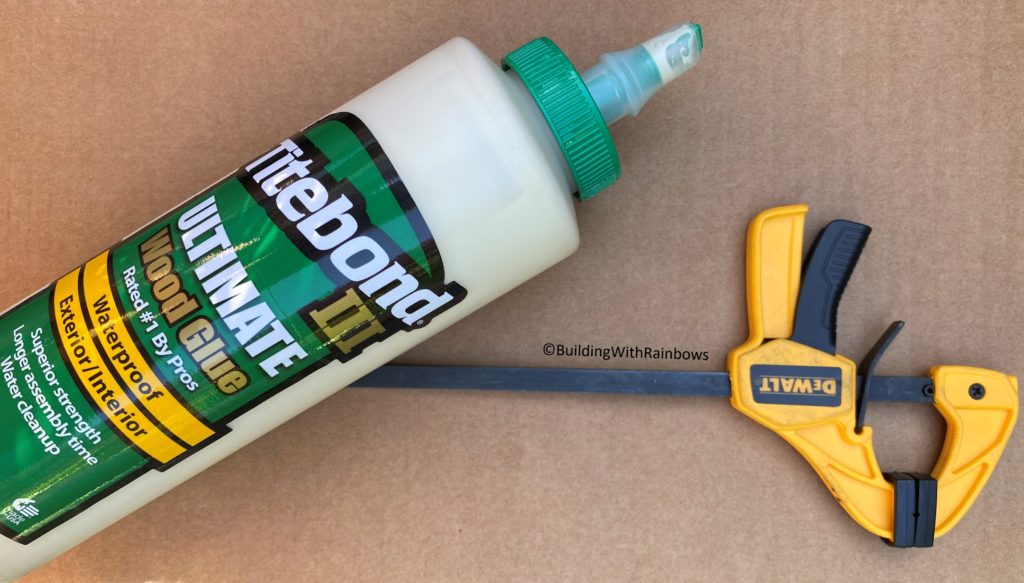
Inspect blocks regularly for safety. Splinters or broken pieces pose choking hazards.
Fix Cracks with Wood Glue
Apply non-toxic wood glue to broken edges. Clamp firmly for 24 to 48 hours. Sand smooth and recondition with oil or wax. A strong glue joint can be sturdier than the original wood.
Smooth Rough Edges
Run fingers over each block monthly. If you feel splinters, sand with fine-grit paper. Wipe clean and apply oil to blended area. Preventive sanding keeps blocks safe for little hands and mouths.
Store Blocks Properly for Long Life
How you store blocks affects their condition as much as how you clean them.
Keep in a Dry, Ventilated Space
Choose open shelves, fabric bins, or wooden boxes. Avoid sealed plastic containers that trap moisture. Never store in basements, bathrooms, or near humidifiers. Airflow prevents mold and mildew.
Prevent Mold in Humid Climates
Ensure blocks are 100% dry before storage. Add silica gel packets to containers to absorb moisture. Check monthly for musty smells or fuzzy spots. Early detection stops mold from spreading.
Avoid Sunlight and Heat
Store away from windows or radiators. Direct sun fades colors and dries out wood. Heat causes cracking and warping over time. Cool, shaded areas preserve both look and structure.
What NOT to Do: Avoid These Mistakes
Even with good intentions, common errors can ruin wooden blocks.
Soaking in water causes swelling, warping, and joint failure. Using bleach or ammonia leaves toxic residue and degrades finishes. Dishwashing causes irreversible damage from heat and moisture. Storing while damp leads to mold growth inside cracks. Over-oiling causes dust buildup and rancidity with plant oils. Scrubbing with steel wool creates deep scratches and removes finish. Stick to gentle, natural methods for lasting results.
Cleaning Frequency by Use Case
How often you clean depends on how the blocks are used.
After Illness or Heavy Use
Clean immediately after a child has been sick. Disinfect with 1:2 vinegar solution and dry fully. This is ideal for daycare or shared play settings and prevents germ spread among children.
Daily for Teething Blocks
Wipe after each use with vinegar solution. Dry completely before reuse. This is essential for hygiene due to constant oral contact. These blocks get the most contamination.
Weekly or Biweekly for Regular Play
Clean every 1 to 2 weeks if used daily. Spot-clean as needed between full cleanings. This balances cleanliness with wood preservation.
Monthly for Display or Occasional Use
Wipe down when dusting furniture. Inspect for pests or damage. Re-oil if wood looks dry. Low-effort maintenance keeps blocks ready for play.
Frequently Asked Questions About Cleaning Wooden Toy Blocks
Can I soak wooden toy blocks in water to clean them?
No. Soaking wooden blocks in water causes them to swell, warp, and crack. Even brief submersion can weaken glued joints and damage finishes. Always use a damp cloth instead of soaking, and dry immediately after cleaning.
What is the best natural cleaner for wooden toy blocks?
A vinegar-water solution is the best natural cleaner. Mix 1 part white vinegar to 10 parts water for general cleaning, or use a stronger 1:4 ratio for disinfection. Vinegar kills germs naturally and evaporates without leaving toxic residues.
How do I remove crayon marks from wooden blocks?
Wipe the crayon marks with a vinegar-dampened cloth. Use a hairdryer on low heat to soften the wax, then wipe clean. Follow with baking soda paste if any residue remains. This method lifts crayon without damaging the wood.
How often should I oil wooden toy blocks?
Apply food-grade mineral oil or beeswax every 3 to 6 months. This replenishes moisture lost during cleaning and prevents wood from drying out, cracking, or splintering. More frequent conditioning may be needed in dry climates.
Can I put wooden blocks in the dishwasher?
No. Never put wooden blocks in a dishwasher. The high heat and prolonged moisture destroy wooden integrity, causing warping, finish loss, and joint failure. Hand cleaning with a damp cloth is the only safe method.
How do I prevent mold on wooden toy blocks?
Prevent mold by ensuring blocks are completely dry before storing. Keep them in a dry, ventilated area away from basements and bathrooms. Use silica gel packets in storage containers, and check monthly for musty smells or fuzzy spots.
Key Takeaways for Cleaning Wooden Toy Blocks
Well-maintained wooden blocks offer lasting value and can become family heirlooms passed down through generations. The most important steps are using gentle, non-toxic cleaning solutions like vinegar-water, avoiding water damage by never soaking or submerging blocks, and drying thoroughly before storage. Conditioning wood every few months with mineral oil or beeswax keeps it smooth, splinter-free, and beautiful. Always store blocks in a cool, dry, ventilated space to prevent mold growth. By following these simple practices, you protect both the toy and the child, ensuring clean, safe, and durable wooden blocks for years of imaginative play.