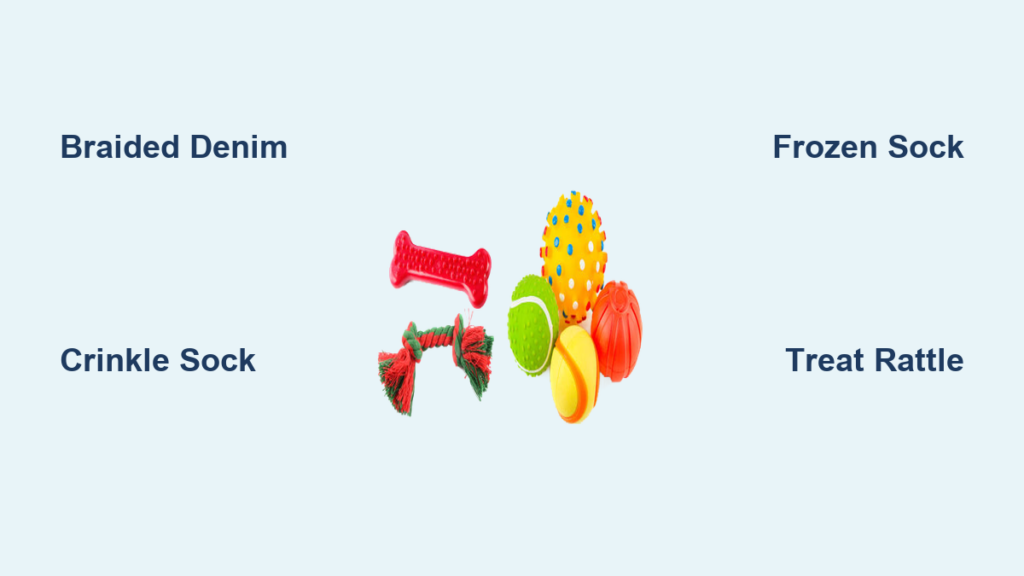
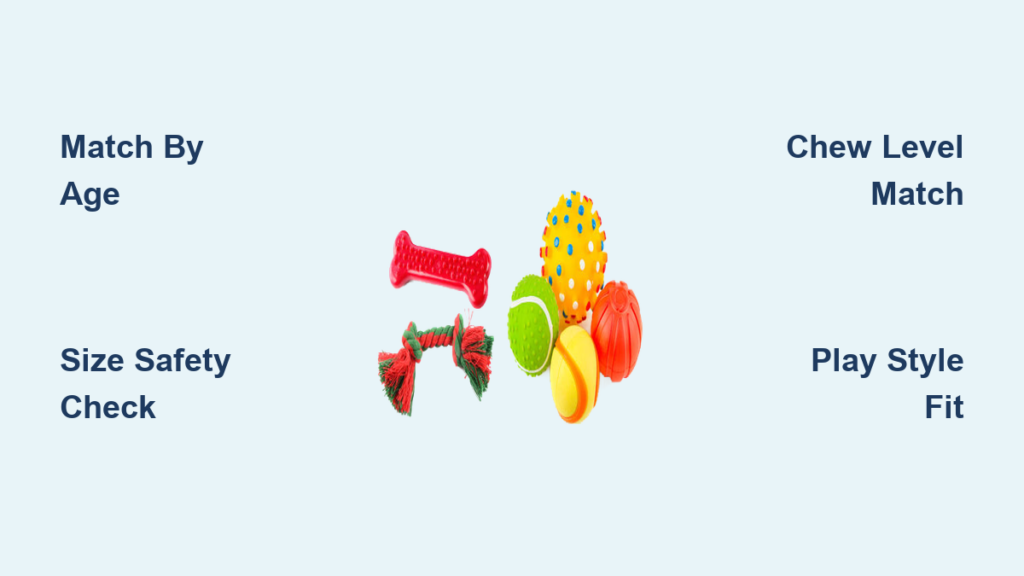
Choosing the right dog toy isn’t just about fun. It is about safety, health, and your dog’s happiness. With endless options online and in stores, how to pick a dog toy that actually works for your furry friend can feel overwhelming. But the best toy for your dog depends on more than price or cute design. It comes down to your dog’s age, size, chewing strength, play style, and emotional needs.
A poorly chosen toy can lead to choking, tooth damage, or expensive surgery from swallowed pieces. The right toy prevents destructive behavior, eases anxiety, strengthens your bond, and keeps your dog mentally sharp. This guide breaks down everything you need to know. You will learn how to match toys to your dog’s unique traits, avoid dangerous designs, and extend toy life.
Match Toy to Dog’s Age
Dogs change a lot as they grow. Their toy needs shift from teething puppies to active adults to gentle seniors.
Pick Toys for Puppies’ Teething Needs
Puppies between 3 and 9 months are in full teething mode. Their gums hurt, and they will chew anything to relieve discomfort. The right toy redirects that instinct safely.
Choose soft rubber or silicone chew toys like the Kong Puppy or N-Bone Puppy Teething Rings. These are gentle on emerging teeth and can be chilled to soothe sore gums. Avoid hard nylon or dense rubber because they can damage developing teeth.
Opt for treat-dispensing puzzle toys to teach good habits early. Stuff them with kibble or a smear of peanut butter to keep your pup busy. These toys also help puppies learn what is okay to chew.
Safety tip: Always supervise play. Remove any toy with loose squeakers or stuffing. Look for labels like puppy-safe or teething-specific.
Select Durable Toys for Adult Dogs
Adult dogs between 1 and 7 years are at their physical peak. They have strong jaws, high energy, and a need for mental and physical release. Boredom in adults often leads to digging, barking, or chewing up your couch.
Durable rubber toys like the Kong Classic or West Paw Zogoflex are ideal. They withstand aggressive chewing and can be stuffed with treats for long-lasting fun. Rope tug toys are great for interactive play and help build impulse control when you teach drop it.
Fetch-loving breeds thrive with rubber balls or flying discs. Choose Chuckit! Ultra Balls or soft, dog-specific Frisbees to protect teeth. Avoid tennis balls for extended use because their fuzzy coating acts like sandpaper on enamel.
Pro tip: Rotate toys weekly. Dogs lose interest fast. Bringing back an old toy feels like a new gift.
Choose Gentle Toys for Senior Dogs
Senior dogs over 7 years may have joint pain, dental issues, or cognitive decline. Their play needs shift from high-energy to low-impact, mentally stimulating options.
Soft rubber or silicone chew toys are kinder on aging teeth. Lightweight plush toys offer comfort, especially for dogs who carry a baby toy. Scent-based puzzles or snuffle mats keep their minds active and can slow cognitive decline.
Avoid hard chew toys that risk tooth fractures. Skip anything heavy or difficult to carry. A senior’s favorite toy might be a soft, worn plush or a blanket with your scent. Simple but emotionally powerful.
Expert note: Mental enrichment is as important as physical care in older dogs. Even a 5-minute puzzle game can boost mood and focus.
Size and Breed Matter
Your dog’s size and breed instincts play a huge role in which toys they will actually use.
Avoid Choking Hazards with Proper Sizing
The golden rule: a toy should be too big to fit entirely in your dog’s mouth. If it can pass behind the rear molars, it is a choking hazard.
Small dogs like Chihuahuas or Pomeranials need toys that fit their tiny jaws but still big enough to be safe. Look for rubber balls at least 1.5 inches in diameter. Avoid plush toys with small parts like buttons or ribbons.
For large breeds like Labradors, German Shepherds, and Mastiffs, choose oversized, rugged toys. Use balls 2.5 inches or larger. The Jolly Ball or GoughNuts are built for power chewers and will not be swallowed.
Visual cue: Hold the toy up to your dog’s mouth. If it disappears inside, it is too small.
Match Toys to Breed-Specific Instincts
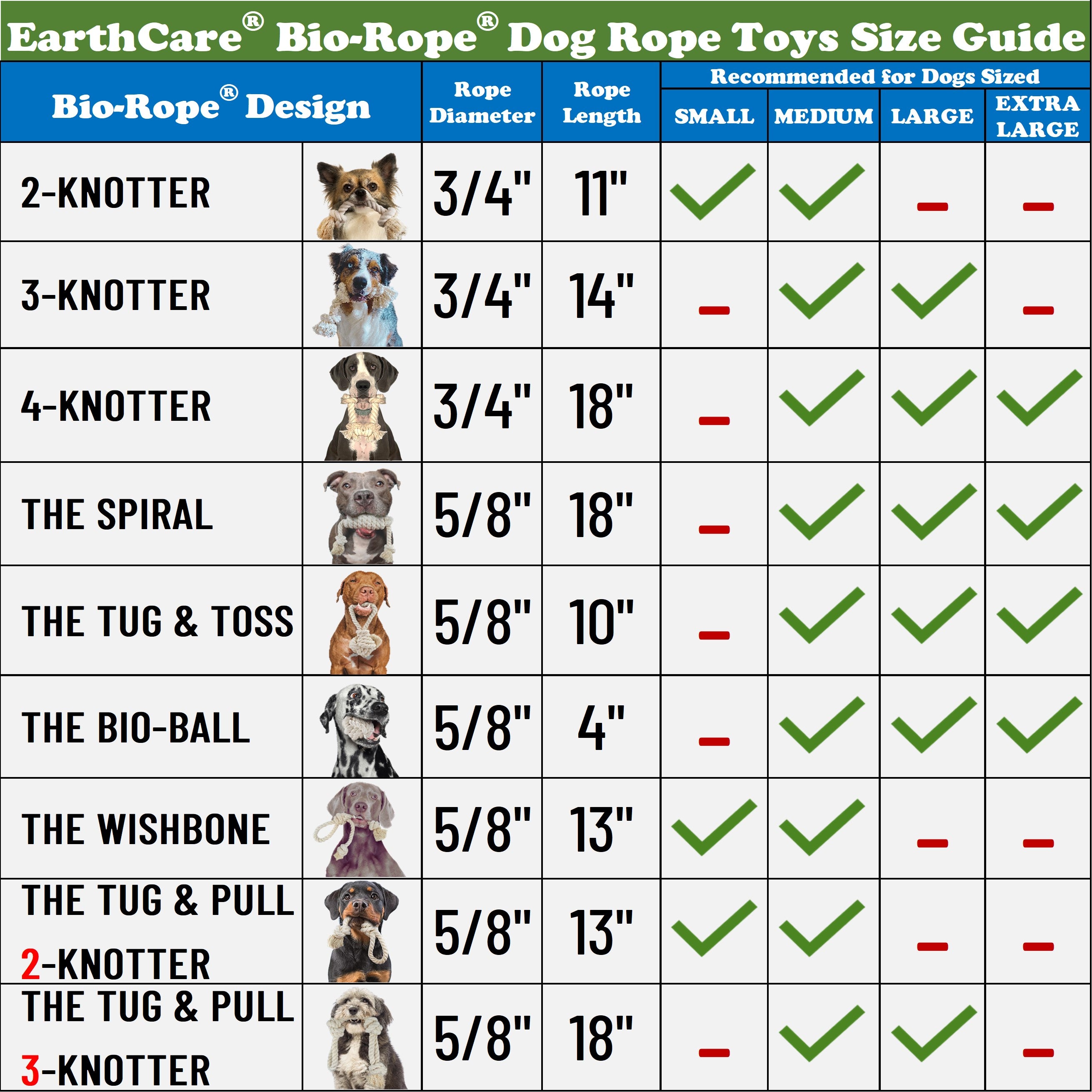
Different breeds evolved to do different jobs. Your toy choices should reflect that.
Herding dogs like Border Collies and Australian Shepherds have high intelligence. They thrive on problem-solving. Use Nina Ottoson puzzle toys or hide-and-seek games.
Terriers and hounds like Jack Russells and Beagles have strong prey drive. They love to kill toys. Squeaky plush animals or destructible toys satisfy this instinct.
Retrievers like Labs and Goldens are natural fetchers. They will play fetch for hours. Use durable rubber balls or bumpers, especially floating ones for water play.
Guarding breeds like Rottweilers and Dobermans may become possessive. Teach drop it early and use double-handled tugs for safer play.
Pro tip: A toy that aligns with instinct is a toy your dog will love and use correctly.
Know Your Dog’s Chew Level

Not all dogs chew the same. Matching the toy material to your dog’s chewing intensity keeps them safe and saves money.
Identify Gentle, Moderate, or Power Chewers
Understand your dog’s chewing style before buying toys.
Gentle chewers mouth toys lightly. They enjoy soft textures and carry toys like security blankets. Soft plush, crinkle toys, or light rubber are perfect.
Moderate chewers wear down toys over time. They need medium-density rubber like Kong Puppy or reinforced plush with double stitching.
Power chewers destroy soft toys in minutes. They need high-density rubber, nylon, or Kevlar-reinforced materials. GoughNuts, Jolly Balls, or Ultra Rubber Tugs are top choices.
Warning: No toy is truly indestructible. Supervise heavy chewers and replace toys at first signs of wear.
Choose the Right Material for Durability
Material determines how long a toy lasts and how safe it is.
Soft rubber and plush work best for gentle chewers. Supervise closely because squeakers and stuffing can be swallowed.
Medium-density rubber is ideal for most adult dogs. It holds treats, bounces well, and resists moderate chewing.
High-density rubber and nylon are built for power chewers. They can be frozen for teething relief or long chew sessions.
Rope toys are great for tugging and dental cleaning. But if your dog eats the fibers, switch to a safer option.
Avoid: Foam, thin rubber, or toys with glued-on parts. These break apart too easily.
Align Toy with Play Style

Your dog probably falls into one of several play style categories. Matching toys to these behaviors increases engagement.
Best Toys for Chewers
If your dog loves to gnaw, hold, and destroy, focus on chew-resistant options.
Hollow rubber toys like the Kong are top-tier. Stuff them with treats or freeze them for longer engagement. Nylabone chews satisfy the urge to gnaw and help clean teeth.
For supervised chewing, consider dental chews like Greenies or bully sticks. But never leave your dog unattended.
Pro tip: Rotate chew toys weekly. A new toy from storage can reignite interest.
Best Toys for Tuggers
Dogs that love to pull need safe tug toys and training.
Use double-handled rope toys or fire hose material tugs. These give you control and reduce strain on your dog’s neck. Never play tug vertically because this can injure the spine.
Teach drop it or give early. Use a treat or better toy as a trade. If your dog growls or will not release, stop the game and retrain.
Safety note: Replace frayed rope toys immediately. Ingested fibers can cause intestinal blockages.
Best Toys for Chasers
If your dog sprints after anything that moves, invest in durable fetch toys.
Rubber balls like the Chuckit! Ultra Ball are safer than tennis balls. Their smooth surface will not wear down teeth. Flying discs should be soft and flexible, not rigid plastic.
For water play, use floating toys. At night, glow-in-the-dark balls keep the game going.
Avoid: Tennis balls that are chewed or worn. They can break apart and become a choking hazard.
Best Toys for Snugglers
Some dogs just want to cuddle. They carry a baby toy everywhere or sleep with a plush companion.
Choose soft, durable plush toys with minimal stuffing and no small parts. Look for ones labeled safe for children under 3. They meet higher safety standards.
If your dog destroys the toy, do not panic. The emotional comfort may be worth short-term replacement. Or try an old t-shirt or blanket with your scent. Often just as soothing.
Best Toys for Problem Solvers
Smart dogs get bored fast. Puzzle and treat-dispensing toys keep them mentally sharp.
Start with easy puzzles like the Kong Wobbler or Outward Hound Hide-A-Squirrel. As your dog masters them, move to advanced options like the Nina Ottoson Dog Brick.
Snuffle mats mimic foraging and burn mental energy. Hide kibble in the fabric and let your dog hunt.
Tip: Use mealtime as playtime. Stuff puzzle toys with kibble to slow eating and prevent bloat.
Safety First: Avoid Dangerous Toys
Many toy-related vet visits are preventable. Know what to avoid.
Watch for Choking and Swallowing Risks
Never give toys with small parts like buttons, plastic eyes, or squeakers that can be chewed off. Remove ribbons, strings, or tags from plush toys.
Avoid rawhide unless supervised. It can swell in the stomach and cause blockages. Safer alternatives include hard rubber chews or bully sticks.
Golden rule: If you would not let a toddler play with it, do not give it to your dog.
Supervise Squeaky and Plush Toys
Squeaky toys are fun but dangerous if unsupervised.
Dogs often feel driven to kill the squeaker. Once it is exposed, they may swallow it. Always remove the toy when the squeaker is loose.
Plush toys should be inspected daily. If stuffing leaks or seams split, discard it.
Pro tip: Use squeaky toys during play sessions, then put them away. This limits exposure and extends life.
Avoid Toxic Materials and Human Toys
Some cheap toys contain harmful chemicals or dyes. Always choose non-toxic, pet-safe materials.
Never let your dog play with human items like rubber bands, pantyhose, or children’s toys. These are choking hazards and often toxic if ingested.
Stick to dog-specific toys from reputable brands like Kong, West Paw, or Outward Hound.
Maximize Toy Life and Engagement
The right care extends toy life and keeps your dog interested.
Rotate Toys Weekly
Dogs get bored. A toy they ignored last week might be exciting today if it is new again.
Keep 4 to 5 toys in rotation. Store the rest out of sight. Swap them weekly to maintain novelty.
Leave one comfort toy like a baby plush available at all times. Emotional support matters.
Refresh Old Toys with Scent and Hiding
Revive old toys by changing their scent. Roll them in grass, rub with a scented cloth, or lightly spray with pet-safe fabric softener.
Hide toys around the house for your dog to find. This taps into their natural foraging instinct and burns mental energy, even indoors.
Game idea: Scatter kibble on a patterned carpet or in the grass. Let your dog use their nose to hunt.
The Most Important Toy Is You
Toys are great, but your involvement matters most.
Playtime Strengthens Your Bond
Dogs do not just love toys. They love you playing with them.
Fetch, tug, hide-and-seek. These games build trust and communication. Even a crumpled paper ball becomes exciting when you are involved.
Social interaction is the best enrichment. A 10-minute game of fetch can be more tiring than an hour alone with toys.
Pro tip: Use toys as rewards in training. It reinforces good behavior and makes learning fun.
Rules for Safe Tug-of-War
Tug is fun if done right.
Use a dedicated tug toy, not your sleeve or a household item. Teach lets tug to start and give to end.
Never let your dog initiate the game. Stop if they growl or become possessive.
Bottom line: Tug is safe when you control the rules.
Final Checklist: How to Pick the Right Dog Toy
Every dog should have a balanced toy collection.
One to carry: Soft plush or comfort toy.
One to chew: Durable rubber or nylon chew.
One to kill: Prey-sized plush or tug toy.
One to roll: Ball or disc for fetch.
One interactive toy: Puzzle, snuffle mat, or treat-dispenser.
Supervise play, especially with chewers.
Involve yourself. Your presence is the best motivator.
Clean toys regularly. Rubber with soapy water, plush in the washer.
Replace damaged toys. Cracked, torn, or too small.
When in doubt, ask your vet. Especially for dogs with dental issues or health conditions.
Frequently Asked Questions About How to Pick a Dog Toy
What is the most important factor when choosing a dog toy?
The most important factor is matching the toy to your dog’s size, age, and chewing intensity. A toy that is too small poses a choking hazard. A toy too soft gets destroyed instantly. A toy too hard can damage teeth. Always prioritize safety over appearance or price.
How do I know if my dog is a power chewer?
Power chewers destroy soft toys in minutes, often within one play session. They leave a trail of stuffing and squeakers. If your dog goes through plush toys quickly, they need durable rubber or nylon toys rated for aggressive chewing.
Are squeaky toys safe for dogs?
Squeaky toys are safe only with supervision. Dogs often feel compelled to remove and swallow the squeaker. Use squeaky toys during active play sessions, then put them away. Check toys daily for loose parts and discard any that are damaged.
What toys are best for teething puppies?
Soft rubber or silicone toys designed for teething work best. The Kong Puppy and N-Bone Puppy Teething Rings are top choices. Chill them in the refrigerator, not the freezer, to soothe sore gums without damaging teeth. Avoid hard nylon toys during this phase.
How often should I replace my dog’s toys?
Replace toys when they show signs of wear like cracks, tears, missing parts, or exposed squeakers. For heavy chewers, this may be weekly. For gentle dogs, toys can last months. Inspect all toys regularly and err on the side of caution.
Can I use human toys for my dog?
Never use human toys for dogs. Children’s toys, rubber bands, and household items pose serious risks. They often contain small parts, toxic materials, or strings that can cause choking or intestinal blockages. Always choose toys specifically designed for dogs.
Final Thoughts on How to Pick a Dog Toy
Picking the right dog toy is not about trends or price. It is about understanding your dog. By matching toys to age, size, chew level, and play style, you are not just buying a toy. You are investing in a happier, healthier, better-behaved dog.
The best approach starts with observation. Watch how your dog plays. Notice what they destroy quickly and what they ignore. Test different toy types until you find what works. Rotate toys weekly to maintain interest. Most importantly, involve yourself in playtime. Your participation strengthens your bond and makes any toy more exciting.
Start building your dog’s toy collection today. Use the checklist in this guide to ensure safety and engagement. Your dog will thank you with wagging tails and joyful play.