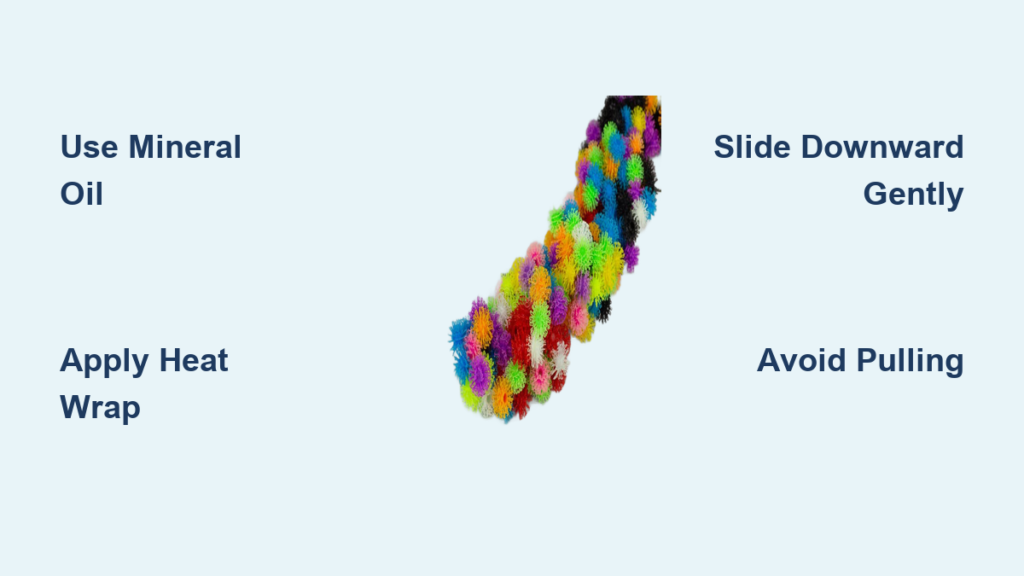
Imagine your child excitedly building colorful creations with Bunchems, only for a prank or accident to send dozens of those tiny plastic balls tumbling into their hair. Within seconds, playful fun turns into a tangled nightmare. Bunchems toy stuck in hair is more common than you think, and while it is not dangerous, removing them can take hours without the right method.
The good news is you do not need to cut the hair. With patience and proper lubrication, full removal is possible. This guide compiles real cases, expert techniques, and manufacturer insights to help you safely free hair from Bunchems.
The Abigail Hoelzle Incident: 150 Bunchems Removed Without Cutting
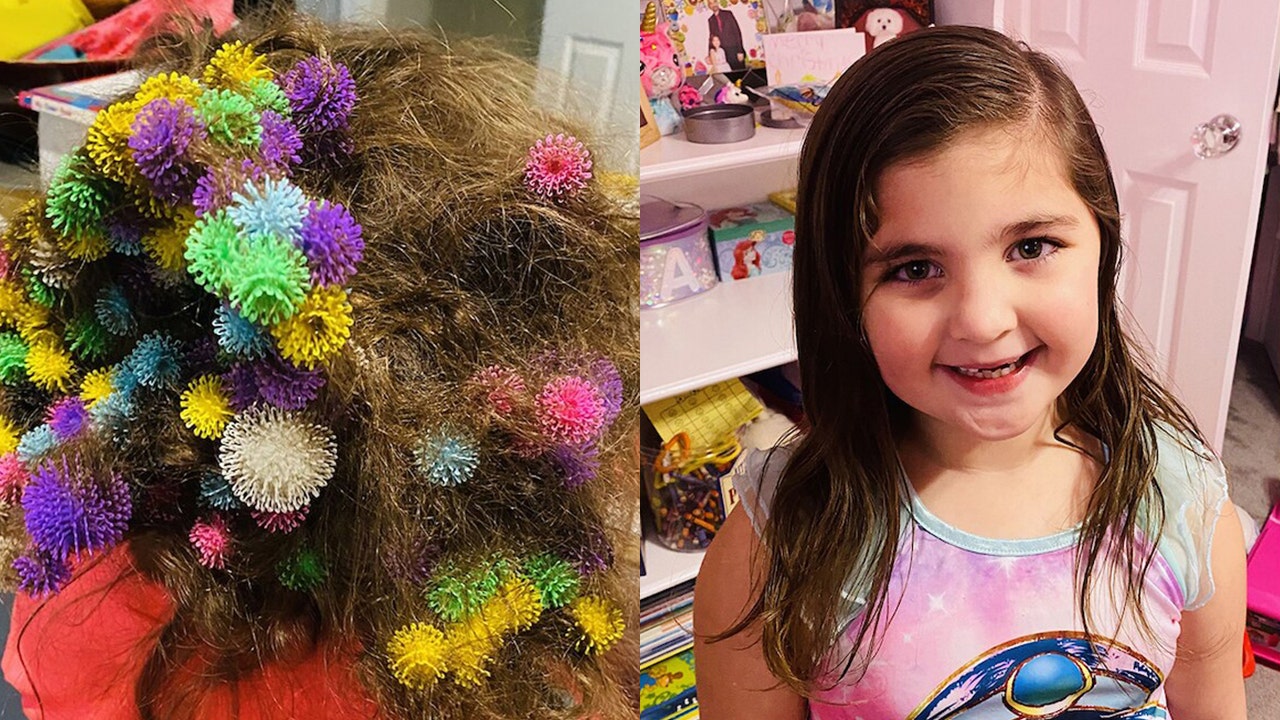
On January 8, 2021, 7-year-old Abigail Hoelzle from Pennsylvania had about 150 Bunchems dumped on her head by her twin brother as a prank. Within minutes, the toys clung tightly to her hair, creating a dense, unmoving mass.
Her mother, Lisa Hoelzle, tried standard detangling with conditioner but saw little progress. After seeking advice online, she consulted a licensed hairdresser who recommended mineral oil treatment under heat. Using a shower cap and warm towel, they applied mineral oil and waited 25 minutes before gently sliding each piece down the hair shaft. Over 20 hours of cumulative effort, every Bunchem was removed without cutting a single strand.
Lisa shared her story on Facebook, which went viral with over 224,000 shares, sparking global awareness about the toy is hidden risk.
Why Bunchems Stick So Tightly to Hair
Bunchems are small plastic balls about 1 cm in diameter with a micro-textured surface that grips other Bunchems through friction, allowing 3D builds. But that same texture clings aggressively to hair strands, especially when dry or slightly oily.
Once embedded in hair:
* They trap surrounding hair like a net
* Pulling only tightens the knot
* Wet or curly hair increases entanglement risk
Despite warnings like “Keep away from hair” on packaging, many kids ignore them, especially during sibling pranks or experimentation. Spin Master Ltd. discontinued Bunchems in 2019 due to recurring entanglement reports, though existing sets remain in circulation.
Step-by-Step Bunchems Removal Guide
Start with Lubrication
The key to safe removal is breaking the friction bond between Bunchems and hair. Oil-based products work best because they penetrate and loosen the grip.
Best Lubricants Ranked
- Mineral oil (most effective, used by professionals)
- Vegetable oil (readily available, moderate success)
- Hair conditioner (mild lubrication, good for light cases)
- Baby oil or coconut oil (some users report success)
Pro Tip: Warm the oil slightly and cover with a shower cap and towel for 20 to 30 minutes. Heat enhances penetration and softens adhesion.
Work Below the Cluster
Never pull directly on the Bunchems. Instead, use a wide-tooth comb to gently comb the hair beneath the cluster. Remove any underlying tangles before moving upward. This prevents additional stress on the scalp and reduces breakage.
Slide Each Ball Downward
After lubricating, dip your fingers in oil and gently slide each Bunchem toward the tip of the hair. If resistance occurs, reapply oil and wait before continuing. Work in small sections. Large clusters may require multiple sessions over several days.
Warning: Do not yank. Forcing removal can damage hair or scalp.
Final Wash and Check
Once all visible Bunchems are removed, shampoo hair thoroughly to remove oil residue. Condition to restore moisture and inspect for missed pieces, especially near the scalp. A second opinion from a salon professional can confirm complete removal and assess hair health.
Why Mineral Oil Works Best
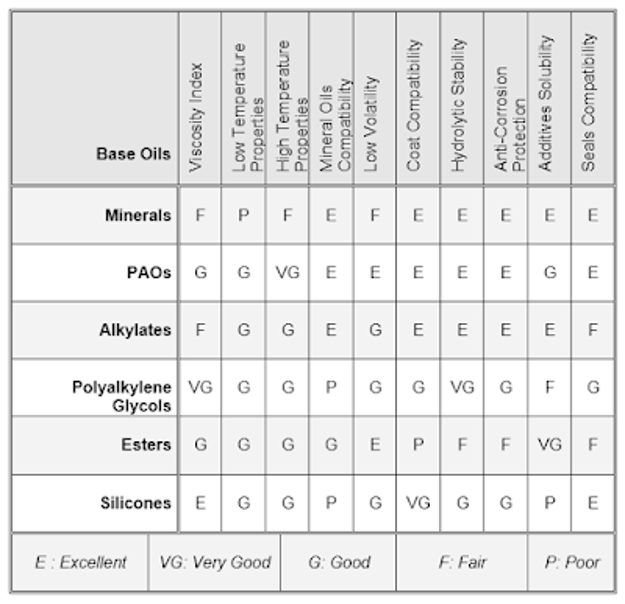
While conditioner helps, mineral oil consistently outperforms other lubricants due to higher slip factor that reduces surface friction. Mineral oil is non-evaporating, so it stays effective longer. Its viscosity coats both hair and toy surfaces evenly.
Parents who switched to mineral oil after failed conditioner attempts reported dramatic improvement in ease of removal.
Expert Note: Pet groomers use similar oil-based techniques for matted fur, proving that lubrication beats force.
Common Mistakes to Avoid
| Mistake | Consequence |
|---|---|
| Pulling or tugging | Hair breakage, scalp pain |
| Skipping pre-combing | Increased resistance |
| Using only water | Makes entanglement worse |
| Applying heat directly | Risk of burns or oil splatter |
Never use scissors unless absolutely necessary. Most cases resolve with patience and oil. If the child becomes distressed, pause and resume later. Calm produces better results.
Prevention: Keep Bunchems Away from Hair
Even though Bunchems are discontinued, many households still own them. Prevent future incidents with these steps.
Safe Play Practices
- Limit use to hard, flat surfaces like tables and trays
- Prohibit play near long hair or pets
- Supervise children under 10
- Teach kids: Bunchems go on tables, not heads
Secure Storage
- Keep in sealed containers
- Store out of reach when not in use
- Label bin with warning: Hair Hazard Inside
Consider retiring old sets, especially if you have long-haired family members or pets.
When to Seek Professional Help
If the cluster is large with 50 or more pieces, hair is tightly matted beneath, or home methods fail after 2 to 3 attempts, visit a licensed hairdresser. Many salons offer detangling services and may suggest extended oil treatments, specialized detangling tools, or safe sectioning techniques.
Some stylists have experience with toy removal thanks to viral awareness. Search for detangling services in your area or ask in parenting groups for local recommendations.
Alternative Toys Without Hair Risk
If you are retiring Bunchems, consider these safer alternatives:
- Magna-Tiles: Magnetic, smooth edges, ages 3 and up
- LEGO DUPLO: Large pieces, low entanglement, ages 1.5 to 5
- Tegu Blocks: Wooden, magnetic, eco-friendly, ages 1 and up
- K’NEX: Rod-and-connector system, ages 6 and up
These offer similar creative play without the hair hazard.
Key Takeaways for Bunchems Hair Removal

- Bunchems are discontinued but still in homes across the country
- Stuck-in-hair incidents are common, often from sibling pranks
- Mineral oil plus heat wrap is the top removal method
- No cutting is needed with proper technique
- Prevention beats cure: supervise play and store securely
Lisa Hoelzle is story was not just about one girl. It became a wake-up call for toy safety worldwide. Share this guide with caregivers, teachers, and babysitters. Awareness prevents accidents.
Frequently Asked Questions About Bunchems Stuck in Hair
How long does it take to remove Bunchems from hair?
Removal time varies widely based on the number of Bunchems and how tightly they are entangled. Some cases take a few hours, while others may require 20 or more hours of cumulative effort over multiple sessions.
Can I use conditioner instead of oil to remove Bunchems?
Conditioner provides mild lubrication and can work for light cases with few Bunchems. However, mineral oil is significantly more effective for stubborn tangles due to its higher slip factor and non-evaporating formula.
Will I need to cut my child is hair to remove Bunchems?
No. With patience and proper lubrication techniques, full removal is possible without cutting. The Abigail Hoelzle case proves that even 150 Bunchems can be removed intact.
What if the Bunchems are stuck close to the scalp?
Work slowly and reapply oil frequently. Focus on detangling the hair beneath the cluster first, then gradually work upward toward the scalp. If the cluster is too tight or painful, consult a professional hairdresser.
Are Bunchems still available for purchase?
Spin Master discontinued Bunchems in 2019, but existing sets may still be available through third-party sellers, thrift stores, or existing household inventories. Exercise caution if using them.
Does Spin Master offer any removal support?
Spin Master maintains a safety page on its website with basic removal tips. The company apologized publicly after the Hoelzle incident but did not issue a formal recall.