
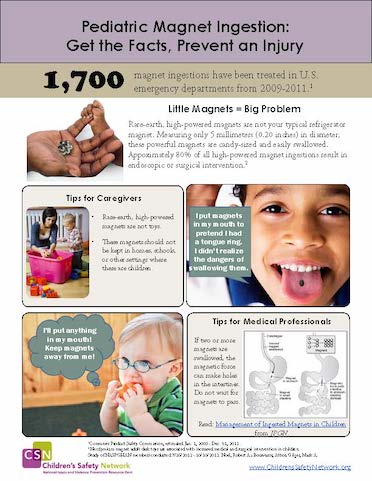
Every year, hundreds of children land in emergency rooms after swallowing powerful magnets, often from toys that look perfectly safe. These colorful building sets may seem harmless, but magnetic blocks are dangerous because of their intense magnetic force, not their shape or material. When two or more magnets are swallowed, they attract each other through intestinal walls, crushing tissue and causing life-threatening damage.
The danger is rising fast. Online marketplaces now sell products with magnetic strength far beyond legal safety limits. A University of Southampton study found that around 300 children under 16 are hospitalized annually in the UK after swallowing magnets. One in 10 requires emergency surgery, and some children suffer lifelong consequences. Because symptoms often appear late, parents may not realize anything is wrong until serious damage has already occurred.
This guide explains exactly why magnetic blocks pose such serious risks, how injuries happen, which products to avoid, and what to do in an emergency.
Why Magnetic Blocks Are a Hidden Threat to Children
How Magnets Cause Internal Damage
Swallowing a single magnet may pass through the body naturally. Swallowing two or more creates a medical crisis. These magnets pull toward each other across folds of intestine, trapping tissue between them with tremendous force. Blood flow stops almost immediately, and tissue death begins within hours. As the damaged tissue breaks down, the bowel can rupture, leading to infection and sepsis.
Even small digestive movements tug the magnets tighter, increasing pressure on trapped tissue. In severe cases, surgeons must remove sections of the bowel entirely, sometimes leaving the child with a permanent stoma.
The Silent Danger Behind Missing Symptoms
Most children show no immediate signs after swallowing magnets. They may play normally for hours or even days. By the time vomiting, stomach pain, or fever appears, serious internal injury may already be underway.
This is why medical experts emphasize one rule: any suspected magnet ingestion requires an immediate X-ray. Waiting for symptoms is never safe. Early imaging can locate the magnets and prevent devastating outcomes.
Real Case: 14 Magnets and a Toddler’s Fight for Survival
In 2021, 2-year-old Rebecca McCarthy swallowed 14 brightly colored magnetic balls. At first, she only vomited. Inside her body, the magnets had clamped together deep within her intestines. Surgeons spent two hours removing sections of her intestines to extract the magnets. She spent months recovering and continues to face lasting health and emotional challenges.
Her story is not rare. It is a powerful warning about what happens when powerful magnets end up in a child’s mouth.
UK Hospitalization Data on Swallowed Magnets
300 Children Admitted Every Year
Data from 66 UK hospitals between May 2022 and April 2023 shows that over 300 children under 16 are admitted to A&E each year after swallowing magnets. That works out to more than two per 100,000 children annually. Researchers believe the real number is even higher, since not all hospitals reported their cases.
These are not industrial accidents. Most cases involve toys marketed to children, often packaged as fun, colorful construction sets.
One in 10 Requires Emergency Surgery
Among hospitalized children:
– 10% need emergency surgery
– Many face extended hospital stays
– Some live with permanent digestive changes
The financial cost to families is enormous. The emotional toll on both children and caregivers can last for years.
Why Delayed Diagnosis Makes Everything Worse
Since symptoms often appear late, many parents delay seeking help. Early signs like nausea or stomach pain get mistaken for a stomach bug. But every hour matters. The longer magnets stay inside, the greater the risk of irreversible damage.
Dangerous Magnetic Flux Levels Found in Products
Legal Limits vs. Real-World Products
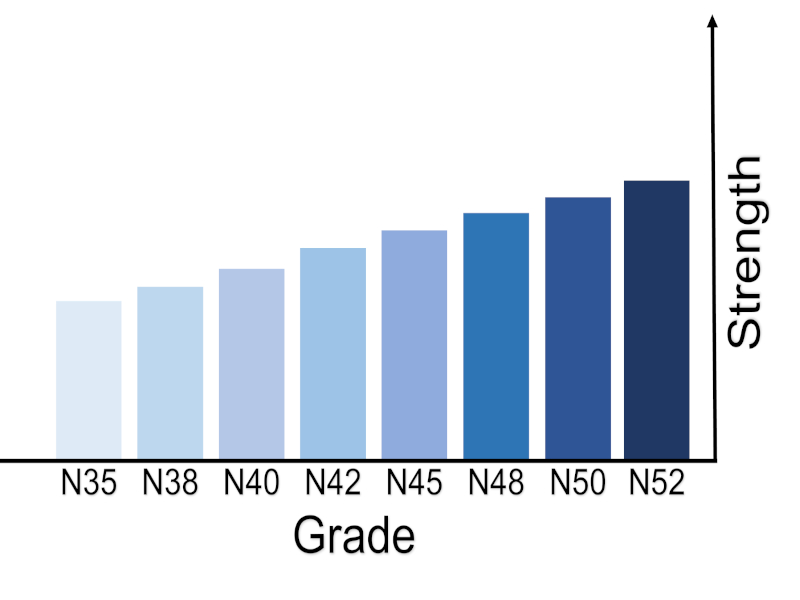
The UK’s Toys (Safety) Regulations 2011 set a clear limit: 50 kG²mm² magnetic flux index. Any toy exceeding this is illegal.
Yet dangerous products remain widely available:
– Recalled toy (Case 2108-0414): Measured at 139.67 kG²mm², nearly 3x the legal limit
– Other products tested: Up to 850 kG²mm², a shocking 17 times over the safe threshold
Magnets this powerful can crush tissue with enough force to tear straight through the bowel wall.
Why High-Flux Magnets Are So Deadly
Standard toy magnets are weak and rarely cause internal clamping. But super-strong neodymium magnets, common in magnetic blocks, generate forces strong enough to:
– Pull through multiple layers of intestine
– Cause immediate tissue compression
– Resist removal without surgical intervention
Even a single magnet may seem harmless. The real danger multiplies the moment a second one is swallowed.
How to Identify Unsafe Magnetic Toys
Check for Choking Hazard Warnings
Any toy that fits entirely inside a small parts cylinder (57mm tall x 31mm wide) is a choking hazard for children under 3. Many magnetic blocks fit this description perfectly, meaning they are small enough to swallow.
Look for labels such as:
– “Not suitable for children under 3 years”
– “Choking hazard due to small parts”
Do not rely on packaging alone. Many online products arrive with no proper warnings at all.
Verify the Seller and Safety Marks
Toys sold through major UK retailers are more likely to meet safety standards. However, online marketplaces like eBay and Amazon Marketplace often list non-compliant imports.
Warning signs include:
– No age recommendation listed
– Missing CE or UKCA mark
– Vague product descriptions
– Prices far below branded alternatives
When in doubt, treat the product as unsafe.
Watch Out for Social Media Magnet Trends
A growing share of ingestion cases, about 6%, are linked to viral social media trends. Children, mostly girls, imitate fake tongue piercings by placing small magnets in their mouths.
These are often loose magnetic balls, not part of a building set. Once swallowed, they behave exactly the same way, clamping internally with deadly force.
Parents should talk openly with older children about the real dangers behind these viral challenges.
Emergency Steps If a Child Swallows a Magnet
Go to A&E Right Away
Do not wait for symptoms. Head to the nearest emergency department immediately. Tell the staff clearly: “I suspect my child swallowed a magnet.”
Request an X-Ray Immediately
Only an X-ray can confirm whether magnets are inside the body and whether they have clamped together. Doctors use the images to decide whether surgery is needed.
Never assume the magnet will pass naturally. With multiple magnets, that assumption can be fatal.
Never Induce Vomiting
Trying to make a child vomit can cause choking or push magnets into more dangerous positions. Leave this to medical professionals.
Bring the Toy to the Hospital
If possible, bring the magnetic block set or any remaining pieces. This helps doctors assess the strength and size of the magnets involved.
Proven Ways to Prevent Magnet Ingestion
Store Magnets Out of Reach at All Times
Treat magnetic blocks like medicine or cleaning chemicals:
– Keep them in locked cabinets
– Supervise play every moment
– Put them away immediately after use
Even older siblings’ toys can become deadly hazards when accessible to toddlers.
Choose Safer Building Alternatives
For young children, consider:
– Plastic building bricks like LEGO
– Wooden blocks
– Foam construction sets
These offer the same creative play without any ingestion risk.
Educate Older Children Honestly
Teens may use magnets for fake piercings or tricks. Explain the danger directly:
– “One magnet might seem safe. Two can kill.”
– “No viral trend is worth your life.”
Real stories like Rebecca’s make the warning stick.
Regulatory Gaps and Online Sales Risks
Online Marketplaces Struggle with Enforcement
While the Office for Product Safety and Standards (OPSS) issues recalls, enforcement remains difficult. Dangerous products get relisted under new names or sold by overseas sellers. OPSS has removed thousands of listings, but new ones appear daily.
The “Nil by Mouth” Awareness Campaign
OPSS runs this public initiative to warn parents about:
– Swallowed magnets
– Button batteries
– Small toy parts
The core message is simple: if ingestion is suspected, assume danger even when the child looks fine.
CAPT’s Warning About Life-Changing Injuries
The Child Accident Prevention Trust (CAPT) calls super-strong magnets a “silent killer.” CEO Katrina Phillips OBE has stated: “A toy that looks like candy can lead to a child needing a stoma. This is preventable.”
CAPT continues pushing for stricter online controls and clearer labeling laws.
Safer vs. Dangerous Magnetic Toys: Key Differences

| Feature | Safe Magnetic Toys | Dangerous Magnetic Blocks |
|---|---|---|
| Flux Index | 50 kG²mm² or below | Up to 850 kG²mm² |
| Labeling | Clear age warnings, CE/UKCA mark | Missing or vague warnings |
| Size | Too large to swallow | Fits inside small parts cylinder |
| Seller | Reputable retailer | Online marketplace, unknown brand |
| Risk Level | Low when used correctly | Critical if swallowed |
Only purchase magnetic toys that meet every safety criterion on this list.
Frequently Asked Questions About Magnetic Block Dangers
Are magnetic building blocks safe for children?
Magnetic building blocks can be safe when they meet legal flux limits, carry proper age warnings, and are used under adult supervision. However, many products on the market exceed safe magnetic strength and pose serious risks if swallowed.
What happens if a child swallows two magnets?
When two or more magnets are swallowed, they attract each other through intestinal walls. This clamping cuts off blood flow, causing tissue death, bowel perforation, infection, and potentially death within hours.
How many children go to the hospital for swallowing magnets?
Around 300 children under 16 are admitted to UK hospitals every year after swallowing magnets. Researchers believe the actual number is higher due to incomplete reporting.
What should I do if my child swallows a magnet?
Go to A&E immediately. Request an X-ray. Do not wait for symptoms and do not induce vomiting. Bring the toy or remaining magnets if possible.
Why are some magnetic toys illegal in the UK?
Toys exceeding the 50 kG²mm² magnetic flux limit violate the Toys (Safety) Regulations 2011. Products tested have measured up to 850 kG²mm², which is 17 times the legal limit.
Can older children be at risk from magnets too?
Yes. Around 6% of magnet ingestion cases involve older children imitating social media trends like fake tongue piercings. Education and open conversations help reduce this risk.
Key Takeaways for Parents Concerned About Magnetic Block Dangers
Magnetic blocks dangerous risks are real, preventable, and growing. Every parent should treat small, powerful magnets as a serious household hazard. The combination of high magnetic strength, silent symptoms, and easy online availability creates a perfect storm for childhood injuries.
Start with three simple actions today. Audit your home for any magnetic toys that lack proper labels or exceed age recommendations. Store every magnetic set in a locked cabinet away from young children. Share this information with grandparents, teachers, and other caregivers who may not yet understand the danger.
When seconds count, your response matters most. If ingestion is ever suspected, skip the wait-and-see approach and head straight to A&E. Speed saves lives, and awareness protects children from a danger that often hides in plain sight.