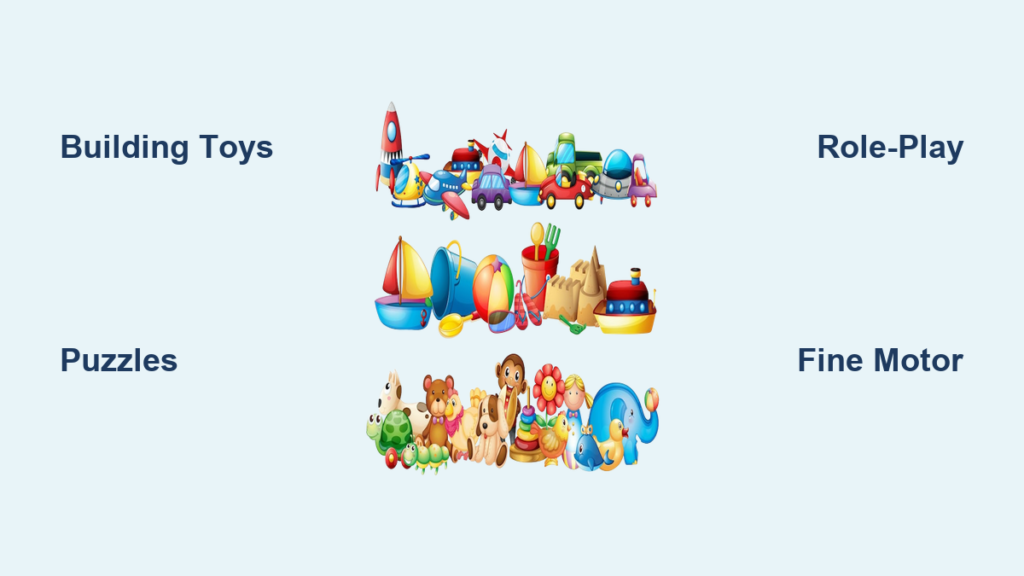
Every toy your child reaches for is doing more than providing entertainment. It is actively shaping their brain development, physical abilities, and emotional intelligence. When a toddler stacks wooden blocks, they are building neural pathways for mathematics. When a preschooler pretends to cook in a play kitchen, they are practicing language and social skills. Understanding different toy types helps you make smarter choices that support your child’s growth at every stage.
This guide covers 14 major toy categories based on developmental research and expert recommendations. You will discover which toys strengthen fine motor skills, which ones boost language, and how to build a balanced toy collection that grows with your child. Whether you are setting up a playroom or shopping for a birthday gift, these insights will help you choose toys that entertain while they educate.
Why Toy Types Shape Child Development
Toys serve as tools for learning in ways that go far beyond simple fun. Each category targets specific developmental domains, from cognitive problem-solving to physical coordination.
Cognitive Growth Through Play
Puzzles, building sets, and shape sorters challenge thinking abilities. Children learn to plan, sequence, and persist through difficulty when they work through a challenging puzzle. Research shows that kids who play regularly with blocks between ages 3 and 5 demonstrate stronger algebra readiness in middle school.
Physical Skill Building
Fine motor toys like bead-lacing sets and play dough tools develop the small muscles in hands and fingers. These skills are essential for writing, buttoning clothes, and other daily tasks. Gross motor toys like balls, tricycles, and climbing structures build strength, balance, and coordination.
Language and Social Development
Role-play toys such as play kitchens, doctor kits, and dress-up clothes create opportunities for storytelling and conversation. When children pretend, they practice vocabulary, take turns, and learn to understand other perspectives.
Building Toys: Foundation for STEM Learning
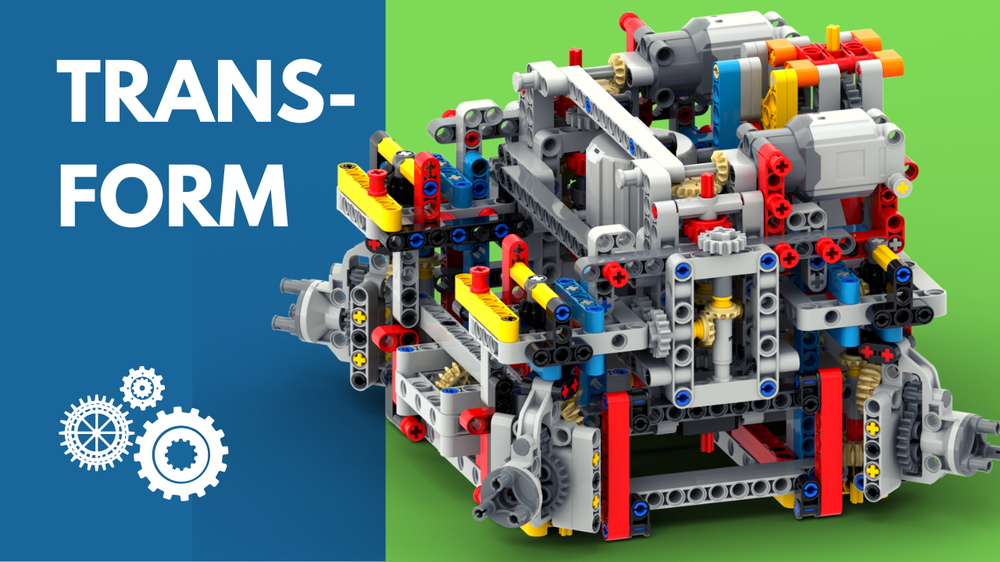
Construction toys rank among the most valuable tools for early development. They encourage experimentation, spatial reasoning, and creative problem-solving.
Developmental Benefits
Wooden blocks, LEGO, magnetic tiles, and similar building sets help children develop hand-eye coordination and fine motor precision. As kids stack, balance, and connect pieces, they build intuition for math and engineering concepts.
Age-Appropriate Choices
Different age groups need different building materials. Large soft blocks suit children from 6 to 18 months. Toddlers aged 2 to 4 benefit from unit blocks, Lincoln Logs, or Magna-Tiles. Children aged 5 and older can handle LEGO Technic, K’Nex, or metal construction sets.
Pro Tip: Combine building sets with dolls or animals to inspire storytelling. Adding toy animals to a block set transforms a simple structure into a zoo.
Puzzles: Tools for Problem-Solving Development

Puzzles challenge the mind while teaching persistence, logic, and pattern recognition through screen-free engagement.
Puzzle Types and Their Benefits
Jigsaw puzzles develop visual scanning and shape discrimination. Mechanical puzzles like the Rubik’s Cube build algorithmic thinking and memory. Tangrams and tiling puzzles strengthen geometric reasoning.
Age Guidelines for Puzzle Selection
Toddlers aged 2 to 3 should start with 4 to 12 chunky pieces. Preschoolers aged 3 to 5 can handle 12 to 20 or more interlocking pieces. Children aged 5 to 6 are ready for puzzles with 24 to 100 or more pieces.
Avoid knobbed puzzles as children grow, because they limit independent use in imaginative play. Choose flat pieces that double as props for storytelling.
Role-Play Toys: Building Imagination and Empathy
Pretend play allows children to step into real or fantasy worlds, practicing empathy and social rules in a safe space.
How Role-Play Supports Development
Kitchen sets, doctor kits, dress-up clothes, and tool benches let children mimic adult behaviors. When a child plays “mommy” or “firefighter,” they are rehearsing emotional regulation, communication, and responsibility.
The National Association for the Education of Young Children confirms that pretend play produces documented cognitive, social, and emotional benefits.
Ways to Encourage Narrative Play
Ask open-ended questions like “What is on the menu at your restaurant?” or “Can I be the patient while you check my heartbeat?” Rotate props regularly to keep play fresh and engaging.
Dolls and Miniatures: Exploring Relationships and Identity
Dolls and figurines help children explore relationships, caregiving, and identity through symbolic representation.
Types of Dolls and Their Uses
Baby dolls teach nurturing and empathy. Fashion dolls inspire aspirational play. Action figures promote adventure and hero narratives. Plush toys provide emotional comfort. Miniature animals and farm sets support storytelling and categorization.
The oldest known doll dates back approximately 4,000 years, found in an Egyptian tomb. This shows how deeply rooted dolls are in human culture.
Encouraging Gender-Inclusive Play
While dolls are often marketed to girls and action figures to boys, gender-neutral play fosters broader skill development. Encourage all children to explore caregiving, storytelling, and emotional expression.
Vehicle Toys: Sparking Narrative and Spatial Skills
Toy cars, trains, and planes support narrative play, spatial awareness, and mechanical curiosity.
Popular Vehicle Categories
Die-cast cars like Hot Wheels and Matchbox are popular at 1:64 scale. Wooden trains from Brio and Thomas and Friends offer classic play. Electric model railways from Hornby and Lionel provide more advanced building. Aircraft and boats from various brands add variety.
Ancient Greek vases depict two-wheeled toy carts, proving that children’s fascination with vehicles spans millennia.
Using Vehicles in Story Play
Create scenarios like car washes, airports, or construction zones. Add road tape to the floor or cardboard tunnels to expand play possibilities.
STEAM Toys: Combining Learning with Play
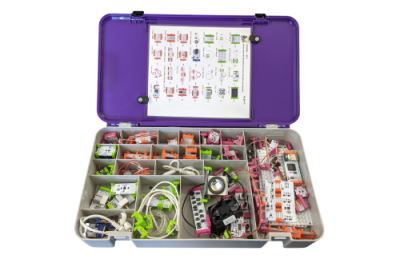
STEAM toys blend fun and education, making abstract concepts tangible and exciting.
Math Toys
Thinkfun Spin-a-Roo helps with sorting and counting. Number puzzles and abacuses build number sense.
Science Kits
Ages 3 to 5 benefit from sensory exploration with magnetic wands and light tables. Ages 5 to 7 can handle simple experiments like volcanoes and slime. Ages 7 to 10 are ready for chemistry sets and robotics kits.
These toys turn learning into play, reducing anxiety around academic subjects.
Fine Motor Toys: Strengthening Small Muscles
Fine motor toys strengthen small hand muscles essential for writing, dressing, and daily independence.
Top Fine Motor Tools
Bead-lacing sets, tongs, tweezers, and clamps develop precision. Shape sorters from Melissa and Doug challenge sorting abilities. Nesting cups and dolls build sequencing skills. Play-Doh with cutters and rollers strengthens hand muscles. Pegboards and stampers develop pincer grasp.
Gross motor skills pave the way for fine motor control. A child must sit upright before holding a crayon effectively.
Gross Motor Toys: Building Physical Strength
Large-scale movement builds strength, balance, and coordination while supporting sensory integration.
Essential Gross Motor Tools
Balls, hoops, and jump ropes provide classic active play. Balance bikes, scooters, and tricycles develop riding skills. Climbing tunnels, wobble boards, and stepping stones challenge balance. Spring riders, wagons, and wheelbarrows add variety.
The CDC recommends that children need 60 minutes of physical activity daily. Gross motor toys help meet this goal.
Safety Tip: Use soft landing zones like mats or grass for climbers. Ensure helmets are worn for wheeled toys.
Musical Toys: Developing Rhythm and Expression
Musical toys engage auditory processing, rhythm, and emotional expression when they allow intentional sound creation.
Choosing Active Over Passive Sound
Avoid toys that play music automatically. Instead, pick instruments children control. Xylophones, small pianos, drums, tambourines, maracas, rain sticks, and egg shakers all require active participation.
I love toys that kids can create music with, not ones that make noise for them.
Ideal Age Range: 6 months to 7 years, though musical toys are used in adult therapy settings too.
Art Supplies: Encouraging Creative Expression
Art materials offer open-ended outlets for imagination, emotion, and sensory exploration.
Core Art Tools
Crayons, markers, and paints including finger paint provide basic creative tools. Glue, scissors, and craft paper support project-based play. Play-Doh, clay, and modeling wax allow sculpting. Collage materials like buttons, fabric scraps, and stickers add texture variety.
Best Practices: Store supplies in low shelves for independence. Rotate materials weekly to maintain interest. Use washable, non-toxic brands like Crayola and Faber-Castell.
Digital Toys: Navigating Screen-Free and Interactive Play
Digital and interactive toys blend physical and virtual worlds but require mindful use.
Examples of Interactive Toys
Virtual pets like Tamagotchi offer digital care experiences. Electronic games like the Little Professor calculator provide learning through technology. App-connected toys like LEGO Hidden Side and Osmo blend physical building with digital interaction. AI dolls respond to voice and touch.
Concerns with Digital Toys
Reduced parent-child interaction is a major concern. Overstimulation from lights and sounds can be overwhelming. There is limited evidence of developmental benefit compared to traditional toys.
The American Academy of Pediatrics notes stronger evidence for developmental benefits of non-digital toys.
Household Items: The Value of Found-Object Play
Everyday objects repurposed as toys spark creativity, resourcefulness, and low-cost learning.
Creative Found Objects
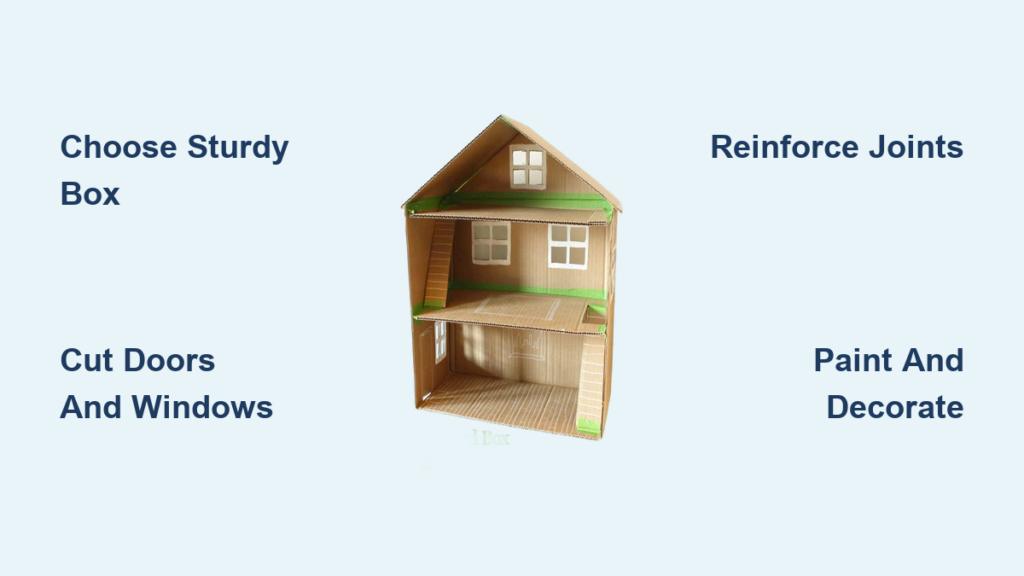
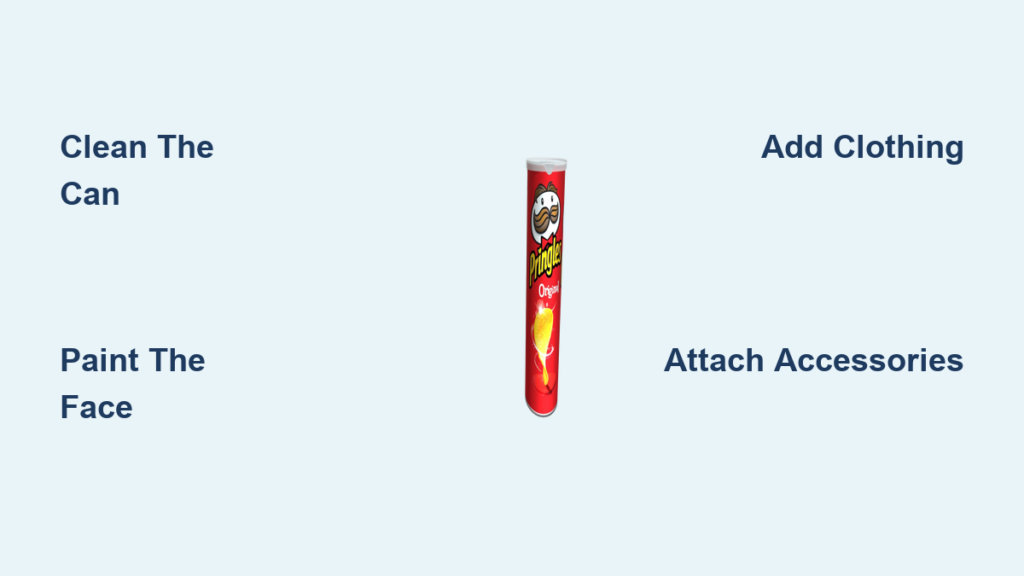
Cardboard boxes become forts, cars, or houses. Tissue rolls transform into crafts or stampers. Empty containers serve for sorting and building. Broken remotes become pretend phones. Jump ropes can spell letters on pavement.
Old-fashioned toys often foster richer parent-child interaction than electronic ones.
Using cereal boxes teaches counting, volume, and engineering principles.
Creating a Balanced Toy Collection
A well-structured play space supports independent exploration and developmental growth across all domains.
Use a Color-Coded System
Building toys in blue bins develop spatial reasoning and motor skills. Cognitive toys in purple bins target logic and memory. Fine motor toys in yellow bins build dexterity and writing preparation. Imaginative play items in bright green bins foster language and empathy. Music toys in red bins encourage rhythm and expression. Art supplies in orange bins develop creativity and fine motor skills.
Best Practices: Rotate toys monthly to renew interest. Limit clutter because overstocking reduces focus. Use clear bins with picture labels for independence.
Selecting Quality Toys: A Checklist
Use this checklist to evaluate any toy before purchase.
Eight Key Traits of Great Toys
Durable toys like solid wood and metal withstand rough handling. High-value toys remain usable for years. Open-ended toys offer multiple uses. Problem-solving toys challenge thinking without causing frustration. Imagination-boosting toys invite creativity. Language-enhancing toys spark conversation. Physically engaging toys encourage movement. Cross-generational toys allow adults to play alongside children.
Avoid single-use electronics, small choking hazards, and toxic materials.
Matching Toys to Age and Developmental Stage
Developmental needs change rapidly, so align toys with current abilities.
By Age Group
Zero to 6 months: rattles, high-contrast books, play gyms. Seven to 12 months: rolling toys, bath-safe items, activity cubes. One year: board books, sing-along toys, push/pull walkers. Two years: wooden puzzles, train sets, magnetic tiles. Three to 6 years: 20-plus piece puzzles, STEM kits, board games.
Follow the child’s lead because interest matters more than age labels.
Frequently Asked Questions About Toy Types
What are the most important toy categories for child development?
Six foundational categories should form the base of every child’s collection. Building sets like wooden blocks and LEGO provide STEM foundations. Dolls and plush toys support emotional rehearsal. Musical instruments encourage auditory development. Real-life tools enable imitative learning. Gross motor gear promotes physical health. Puzzles build problem-solving skills.
How do I choose age-appropriate toys?
Consider the child’s current abilities rather than just their age. Infants need sensory toys like rattles and high-contrast books. Toddlers benefit from stacking toys and simple puzzles. Preschoolers can handle more complex building sets and role-play toys. School-age children enjoy STEM kits, advanced puzzles, and board games.
What makes a toy developmentally valuable?
Look for toys that are open-ended, durable, and adaptable. Great toys can be used in multiple ways over time. They challenge thinking without causing frustration. They encourage imagination and language. They promote physical activity or fine motor development.
Are electronic toys beneficial for children?
Research suggests that traditional non-digital toys have stronger support for cognitive and language growth. Electronic toys often reduce parent-child interaction. Look for toys that require active participation rather than passive viewing.
How many toys should a child have?
Less is often more. Overstocking reduces focus and overwhelms children. A smaller rotation of thoughtfully chosen toys supports deeper play. Store one-third of toys out of sight and swap them every three to four weeks.
How do I encourage open-ended play?
Choose toys without fixed outcomes like blocks, dolls, and play dough. Combine toys across categories to spark creativity. Join in play by asking open-ended questions. Follow the child’s interests rather than directing the play.
Key Takeaways for Understanding Different Toy Types
Understanding different toy types empowers you to build a toy collection that supports your child’s growth across all developmental domains. Prioritize building toys for STEM learning, puzzles for problem-solving, and role-play toys for language and social skills. Choose open-ended options that grow with your child rather than single-use toys that lose appeal quickly.
Rotate toys regularly to maintain interest. Play alongside your child to deepen learning and strengthen bonds. Follow your child’s lead when selecting toys because genuine interest fuels meaningful development. By curating a thoughtful mix of toy types, you give your child the tools they need to grow into curious, capable, lifelong learners.