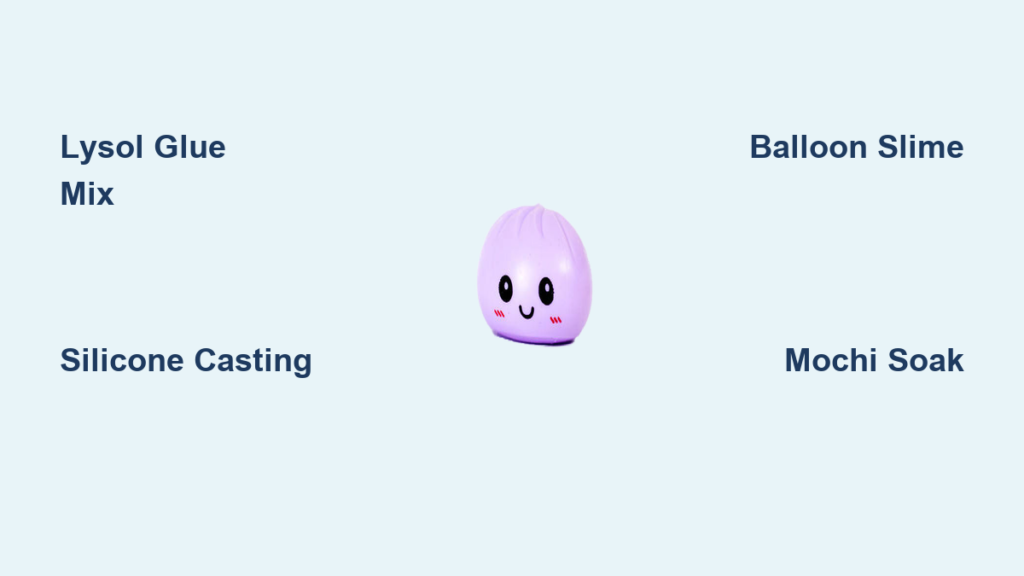

You pick up your dumpling squishy, soft and oddly comforting in your hand, only to notice a layer of grime dulling its surface. Maybe it rolled under the couch, landed on the deck, or simply collected too many fingerprints. Even though it is not real food, the dirt and stickiness still bother you. Learning how to clean a dumpling squishy the right way restores both the toy and your peace of mind.
This guide walks you through the exact process for washing, drying, and sanitizing your squishy dumpling using everyday supplies. You will learn how to remove buildup, avoid material damage, and get that satisfying fresh feel every time. Whether you collect squishies, use them for stress relief, or simply hate sticky textures, this method delivers reliable results.
Assess Your Dumpling Squishy Before Cleaning

Before you reach for soap, take a close look at your squishy. Is it caked with floor dirt? Sticky from skin oils? Smelling faintly of outdoor grime? These clues tell you how much effort the cleaning will take. Skipping this step often leads to incomplete results.
A heavily soiled dumpling may need extra scrubbing during the lather phase. A lightly dusty one might only need a quick rinse and dry. If it has been dropped in high-traffic zones like a porch or hallway, assume it needs the full ritual: soap, rinse, dry, sanitize. Even though it is fake food, the feeling of cleanliness still matters.
Inspect the Material for Damage
Gently squeeze the dumpling and check for cracks, brittleness, or peeling. Most squishies are made of durable TPR or silicone-based materials that handle water and alcohol well. If yours is splitting or flaking, avoid soaking. Stick to a damp cloth and minimal sanitizer instead. The goal is restoration, not destruction.
Gather Your Cleaning Supplies
Having everything ready before you start keeps the process smooth and uninterrupted. You will only need a handful of common household items.
What You Will Need
• Hand soap or dish soap (any lathering kind works)
• Lukewarm running water
• A clean flat plate
• Paper towels for absorption
• Alcohol-based hand sanitizer (optional but recommended)
• A soft old toothbrush for textured seams (if needed)
Soap the Dumpling Squishy Thoroughly

Squeeze a generous amount of soap directly onto the dumpling’s surface. Do not be shy. You want full coverage, especially across textured areas and pleated edges. The thick lather is what lifts dirt and breaks down oily residue.
Use your fingers to massage the soap into every crevice. Work it in for 30 to 60 seconds, mimicking the shape of the dumpling as you go. Watch the bubbles turn gray as grime lifts away. This visual feedback is part of the satisfaction. You are not just cleaning; you are reclaiming the toy.
Create a Rich, Bubbly Lather
The goal is a thick, foamy coat from top to bottom. This lather acts as both a cleaning agent and a progress indicator. If bubbles form easily and stick to the surface, you are applying enough soap. Keep rubbing until the entire dumpling is covered in foam.
Rinse Away All Soap Residue
Hold the dumpling under lukewarm running water. Rotate it slowly so every soap-covered area gets rinsed. Watch the suds wash off, carrying loosened dirt with them. This is the reveal moment, the real-time before-and-after.
After rinsing, hold the dumpling up to the light. Are there still streaks or sticky patches? If yes, repeat the soap phase. One pass is rarely enough for deep textures or long-neglected toys. A perfectly clean squishy starts with a complete rinse.
Check for Lingering Grime
Run your fingers across the rinsed surface. It should feel smooth, not slick. If soap remains, it will dry sticky and ruin the final texture. Rinse until the water runs completely clear. Patience here pays off in the final result.
Dry the Dumpling on a Clean Plate

Place the rinsed dumpling on a flat, clean plate. Lay a paper towel underneath or gently drape one over the top. The plate keeps it off dirty surfaces. The paper towel absorbs moisture from the surface and edges.
Leave the dumpling undisturbed for 10 to 20 minutes. Watch as the paper towel darkens with dampness. This is the most satisfying part: seeing the wet shine fade, the texture firm up, and the shape stabilize. You are not wiping or rubbing. You are letting capillary action pull moisture out naturally.
Replace Paper Towels if Needed
If the dumpling is thick or especially porous, swap the paper towel once it becomes soaked. Then let it sit longer. Never use heat sources like a hairdryer, since they can warp the material. Patience guarantees a non-sticky finish.
Sanitize for a Clinical Finish
Once dry, splash a few drops of alcohol-based hand sanitizer onto the surface. Rub it lightly with your fingertip to spread it evenly. Do not drench the dumpling. A light coat is all you need.
Why Sanitize a Fake Dumpling?
You know it is not food. But that crisp, sterile smell signals completion. It transforms “clean” into “spotless.” This step kills lingering bacteria from handling, adds a fresh scent, and delivers the clinical finish users love. If the alcohol smell bothers you, skip it, but you will miss the ritual’s peak satisfaction.
Troubleshoot Common Cleaning Problems
Even with careful technique, things sometimes go wrong. Here is how to fix the most common issues fast.
The Dumpling Still Feels Gritty
Dirt is trapped in textured folds. Go back to the soap phase and use a soft old toothbrush to gently scrub the seams. Re-rinse thoroughly and dry again. A toothbrush dedicated to cleaning works best.
The Surface Stays Sticky After Drying
Residual soap is the usual culprit. Rinse under running water for a full minute, ensuring all suds disappear. Dry with fresh paper towels. Avoid heat, which can warp or melt the material.
Sanitizer Causes Discoloration
Some dyes react with alcohol. Stop using sanitizer and switch to water-only rinsing. Test any product on a hidden area first. If discoloration appears, stick to soap and air drying only.
Repeat the Cleaning Ritual as Needed
“Clean. Dry. Sanitize. Repeat.” That is the mantra. This is not a one-time fix. It is a maintenance cycle you can run whenever your dumpling feels off.
How Often Should You Clean It
• After every fall on the floor, even indoors
• Weekly if you handle it daily, since oils build up fast
• Whenever it starts to smell “off”
• Before display or gifting, since first impressions matter
The more you repeat the process, the more automatic and satisfying it becomes.
Store Your Dumpling Squishy Properly After Cleaning
Once clean and dry, do not toss the dumpling on a dusty shelf. Place it in a clean, dust-free spot like a small display box, a drawer with a soft liner, or a sealed container. Avoid direct sunlight, since UV rays fade colors over time. Keep it away from sharp objects, and never store it damp.
Pro Tip: Keep a mini cleaning kit nearby with soap, paper towels, and sanitizer. Having supplies within reach makes the ritual easy to repeat whenever needed.
Maximize the Therapeutic Effect of Cleaning
Cleaning a dumpling squishy is not just about the object. It is about you. The repetitive motions, sensory feedback, and visible transformation all act as a grounding ritual.
Turn Cleaning Into Self-Care
• Move slowly and focus on each step
• Notice the textures, sounds, and smells along the way
• Breathe deeply during the drying phase
• Celebrate the final result with a satisfying squeeze
For people with anxiety, ADHD, or daily stress, this 15-minute routine can reset your mood. It is ASMR-adjacent therapy in object form.
Frequently Asked Questions About Cleaning a Dumpling Squishy
Can I Use Hot Water to Clean My Dumpling Squishy?
No. Hot water can warp or melt the synthetic materials used in most squishies. Stick to lukewarm water for rinsing. This protects the shape and texture while still removing soap and grime effectively.
Is Hand Sanitizer Safe for All Squishy Materials?
Most squishies handle alcohol-based sanitizer fine, but some dyes react poorly. Always test on a small hidden area first. If discoloration appears, skip the sanitizer and rely on soap and water only.
How Long Does a Dumpling Squishy Take to Dry?
Drying time depends on thickness and material density. Most squishies dry in 10 to 20 minutes on a paper towel-lined plate. Thicker or more porous designs may need 30 minutes or longer. Patience ensures a non-sticky finish.
What Soap Works Best for Cleaning Squishies?
Any lathering hand soap or dish soap works well. The key is producing a thick, bubbly lather that lifts dirt and oils. Avoid harsh detergents or abrasive cleaners, which can damage the surface.
Can I Soak a Dumpling Squishy in Water?
Avoid extended soaking, especially for older or damaged squishies. Brief rinsing under running water is safe. Soaking can cause water absorption, weakening the material or encouraging mold growth in porous designs.
How Do I Remove Stubborn Stains from a Squishy?
For stubborn stains, repeat the soap phase with a soft toothbrush dedicated to cleaning. Work the lather into the stained area gently. If stains persist, skip sanitizer and stick to repeated soap-and-rinse cycles.
Key Takeaways for Cleaning a Dumpling Squishy
Learning how to clean a dumpling squishy is simple, safe, and surprisingly rewarding. With basic supplies like soap, water, paper towels, and a splash of sanitizer, you can restore your squishy to pristine condition again and again. The process is not about realism. It is about control, satisfaction, and the joy of transformation.
Next time your dumpling squishy looks sad and dirty, do not replace it. Clean it, dry it, sanitize it, and repeat. Your hands and your mind will both thank you for the ritual.