If your rose toy motor isn’t working as it should, whether it’s not turning on, making strange noises, or vibrating weakly, you’re not alone. Many users encounter rose toy motor problems after regular use, but most issues aren’t permanent. The good news is that many of these problems can be resolved with simple troubleshooting steps that don’t require technical skills or special tools.
A malfunctioning motor often stems from power issues, battery degradation, or blocked components rather than internal damage. In fact, most dead motor cases are actually caused by low charge, incorrect startup, or clogged parts. By following this diagnostic guide, you can identify and fix the real cause, possibly restoring full function without replacement.
Fix Rose Toy That Won’t Turn On
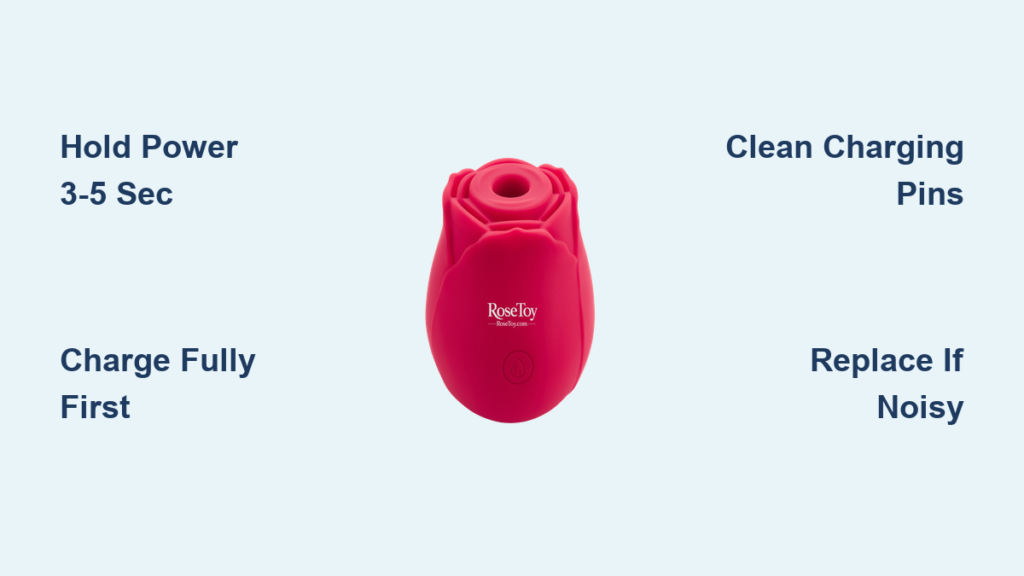
Hold Power Button 3-5 Seconds
Many users assume their rose toy motor is broken when it simply wasn’t activated correctly. Unlike standard power buttons, most rose toys require a long press of 3 to 5 seconds to turn on. A quick tap won’t work.
If the device doesn’t respond, press and hold the button firmly and watch for any LED flash or vibration pulse. Try multiple times in case of delayed response. This step resolves startup failure in over half of reported cases.
Charge Before Troubleshooting
If holding the button does nothing, the battery may be completely drained. Even if the toy was used recently, lithium-ion batteries can lose charge quickly when idle.
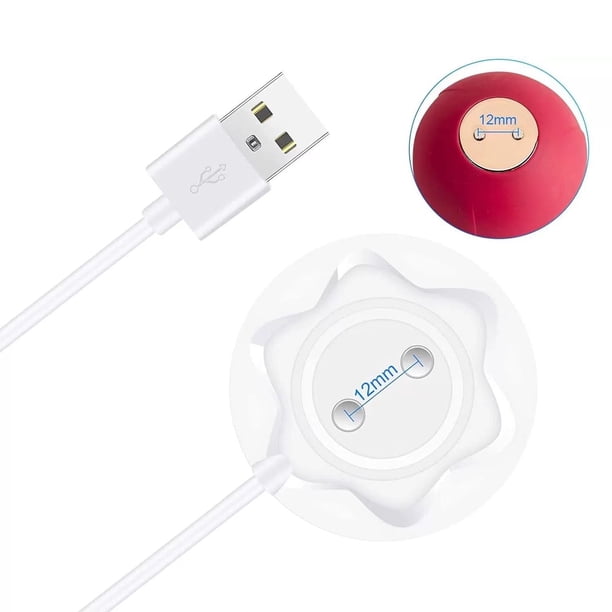
Steps to charge properly include plugging in using the original magnetic charging cable and aligning pins carefully. Misalignment prevents charging. Wait 10-15 seconds for a red charging light if equipped. No light indicates a charging problem that needs further diagnosis.
Diagnose Charging Problems
Check Magnetic Pin Alignment
Misaligned charging pins are one of the top reasons for failed charging. The metal contacts on the toy must connect perfectly with those on the charger base.
To fix this, wipe both contact points with a dry cloth. Position the toy slowly until it snaps into place. Listen for a slight magnetic click indicating connection. If the toy only charges at a specific angle, realign gently until stable contact is made.
Test Cable and Adapter
Using third-party or damaged cables often leads to insufficient voltage delivery. This starves the battery and mimics motor failure.
Best practices include using only the manufacturer-supplied USB cable and adapter. Avoid phone chargers or power banks unless explicitly approved. Try a different USB port or wall outlet to rule out power source issues. If another device charges fine on the same setup, the problem lies with the toy or its cable.
Clean Charging Contacts
Dirt, moisture, or bodily residue builds up on charging contacts over time, creating a barrier that blocks electricity flow.
Safe cleaning method involves dampening a cotton swab with rubbing alcohol 70 percent or higher. Gently wipe each metal pin on the toy and charger. Dry thoroughly with a lint-free cloth. Wait 5 minutes before attempting to charge again. Repeat monthly to prevent future issues.
Stop Unexpected Shutdowns
Ensure Full Battery Charge
A rose toy that turns off mid-use usually has a low or unstable battery, not a faulty motor. Vibration modes draw more power, causing sudden shutdowns when charge is marginal.
To fix this, charge for 1-2 hours until the indicator light turns green or off depending on model. Avoid interrupting the charge cycle. Test all modes only after a full charge. Even if the toy powers on briefly, partial charging won’t sustain motor performance.
Recognize Battery Degradation
Lithium-ion batteries degrade after 1-2 years of regular use. Signs include short runtime under 60 minutes, rapid discharge during use, and failure to hold charge overnight. When battery wear is advanced, no amount of cleaning or resetting will restore performance. The motor receives inconsistent power, leading to erratic behavior. The solution is to replace the entire device since no user-replaceable batteries exist in sealed rose toys.
Allow Cooling After Overheating
Prolonged use, especially at high intensity, can cause the motor to overheat. Some models have built-in thermal protection that shuts down the device automatically.
What to do involves turning off and letting the toy rest for 30 minutes. Resume use at a lower setting. Limit continuous sessions to under 20 minutes. Frequent overheating shortens motor lifespan, so moderation helps extend device life.
Reduce Loud Motor Noise
Identify Normal vs. Abnormal Sounds
All motors make some noise, but whisper-quiet operation is standard in premium models like the Suctional Rose Toy. High-pitched whining, grinding, or rattling indicates a problem.
Common causes include worn internal gears or bearings, loose components due to impact, and low-quality motor in budget models. If noise increases over time, motor deterioration is likely irreversible.
Avoid Water and Residue Damage
Using non-waterproof models in wet environments or failing to dry them can allow moisture into the motor housing. This corrodes parts and creates abnormal sounds.
Prevention involves never submerging unless IPX7-rated. Dry the nozzle and base completely after cleaning. Store upright to allow air circulation. Once water enters the internal chamber, professional repair isn’t feasible. Replacement is safer.
Restore Weak Vibrations
Start With Full Charge
Vibration strength depends directly on battery level. A 50 percent charge may power the device but deliver only 30-40 percent of maximum motor output.
Always begin use with a 100 percent charged battery. Recharge immediately after noticing reduced intensity. Test across all modes to confirm consistency. If vibrations improve after charging, the motor is fine, just underpowered.
Reset Smart Models
Some advanced rose toys have firmware that controls motor response. Glitches can cause delayed activation or weak pulses.
Reset steps vary by brand but typically involve holding the power button for 10-15 seconds. Look for flashing lights or triple vibration pulses. Release and restart normally. Consult the manual if available since not all models support resetting.
Clear Suction Chamber Blockages
While not a direct motor issue, restricted airflow increases motor load, making vibrations feel weaker due to reduced stimulation feedback.
To fix this, remove the silicone nozzle if detachable. Rinse under warm water. Use mild unscented soap and a soft brush to scrub inside. Flush with clean water and air-dry for at least 12 hours. A clean chamber reduces strain on the motor and restores perceived intensity.
Rebuild Lost Suction Power

Clean Silicone Nozzle Thoroughly
Loss of suction is often mistaken for motor failure. In reality, buildup from bodily fluids, lube, or hard water clogs the nozzle and disrupts airflow.
Deep cleaning routine involves mixing warm water with a few drops of unscented soap. Soak the nozzle for 5 minutes. Gently scrub interior ridges with a clean toothbrush. Rinse until water runs clear. Dry completely before reattaching. Perform this after every use for best results.
Maintain Skin Seal During Use
The motor creates suction only when an airtight seal forms between the nozzle and skin. Hair, sweat, or incorrect angle breaks this seal.
Tips include trimming pubic hair around contact area. Apply gentle pressure in a circular motion to find the seal. Use in a quiet space to hear the pop of successful suction. No sound means reposition and try again.
Prevent Skin Irritation
Use Only Medical-Grade Silicone
Cheap knockoffs often use porous rubber or low-grade silicone containing phthalates, which irritate sensitive tissue and degrade faster.
Look for 100 percent body-safe phthalate-free silicone. Non-porous surface means smooth, not sticky. Odorless or faintly soapy smell indicates quality. High-quality materials resist bacterial growth, reducing risk of contamination near motor seals.
Avoid Harsh Cleaners
Using bleach, alcohol sprays, or scented wipes damages silicone over time. Micro-cracks form, trapping bacteria and allowing moisture to seep toward internal components.
Safe cleaning agents include mild dish soap and water, dedicated toy cleaner, and hypoallergenic wipes latex-free. Never boil or microwave your toy unless the manufacturer specifies it’s safe.
Know When to Replace Your Toy
Signs of Motor Failure
Not all issues are fixable. Permanent motor damage shows these signs including complete lack of response after full charge and reset, burning smell or excessive heat during use, persistent loud grinding or clicking noises, and visible cracks near motor housing. If multiple fixes fail, the motor is likely beyond repair.
Check for Material Breakdown
Even with a working motor, a degraded body poses health risks. Replace immediately if you notice yellowing or chalkiness in the silicone, sticky or gummy texture, or small tears or peeling layers. These changes mean the material is breaking down and can harbor mold or bacteria.
Age-Based Replacement
Most rose toys last 1 to 3 years with regular use. After two years, expect reduced battery capacity, slower motor startup, and increased noise. Proactively replacing older devices ensures consistent performance and hygiene.
Extend Motor Life With Proper Care
Charge Correctly
Overcharging stresses the battery and indirectly harms the motor.
Best practices involve unplugging after 2 hours or when light turns green. Avoid leaving on charger overnight. Charge every 3 months if stored long-term. Use only the original cable to ensure proper voltage regulation.
Clean After Every Use
Residue buildup increases motor strain and promotes bacterial growth.
Daily routine includes rinsing nozzle under warm water, washing with mild soap or toy cleaner, drying with a soft towel, and air-drying completely before storage. Never store damp.
Store Safely
Poor storage leads to dust accumulation, contact corrosion, and accidental drops.
Recommended storage involves keeping in a cool dry place, using a mesh storage bag not plastic, and storing away from direct sunlight and heat sources. Protect the charging port with a silicone cap if included.
Avoid Submersion Unless Waterproof
Even waterproof-rated toys shouldn’t be soaked for long periods. Water pressure can force moisture past seals.
Instead, wipe down exterior with a damp cloth. Rinse nozzle only, never dunk the base. Dry all parts thoroughly before reuse.
Diagnostic Flow: Fix Rose Toy Motor Fast
| Symptom | Likely Cause | Action |
|---|---|---|
| Won’t turn on | Button pressed too quickly | Hold power 3-5 seconds |
| No charging light | Dirty/misaligned pins | Clean contacts, realign |
| Shuts off during use | Low/degraded battery | Charge fully, consider replacement |
| Weak vibrations | Low charge or clog | Recharge, clean nozzle |
| Loud noise | Motor wear or water damage | Evaluate for replacement |
| Poor suction | Blocked nozzle or seal break | Clean, dry, reposition |
| Skin irritation | Low-quality materials | Switch to medical-grade silicone |
Repair vs. Replacement: The Reality
Rose toys cannot be repaired by users. The motor, battery, and circuit board are sealed inside a waterproof casing. Attempting to open the device voids any warranty, risks electric shock or permanent damage, and exposes delicate components to contamination.
There are no aftermarket replacement motors or DIY kits available. Once the motor fails internally, replacement is the only safe option.
For lasting performance and peace of mind, choose premium models like the Suctional Rose Toy, which feature whisper-quiet durable motors, medical-grade silicone construction, and proven reliability over 2 plus years. Avoid cheap imitations with unverified parts because they fail faster and pose health risks.
Frequently Asked Questions About Rose Toy Motor Repair
Why does my rose toy not turn on even after charging?
The most common reason is that you’re not holding the power button long enough. Rose toys typically require holding the button for 3-5 seconds to activate. If that doesn’t work, the charging may have failed due to misaligned pins or dirty contacts. Try cleaning the contacts and ensuring proper alignment with the charging cable.
Can I fix a rose toy motor that makes loud grinding noises?
No, loud grinding noises indicate irreversible motor damage from wear or water ingress. Once internal components degrade, they cannot be repaired or replaced. The only solution is to replace the device entirely with a new model.
Why does my rose toy lose suction power after a few months?
Loss of suction is almost always caused by buildup in the silicone nozzle rather than motor failure. Bodily fluids, lubricant residue, and minerals from water can clog the internal passages. Thorough cleaning with warm soapy water and a soft brush typically restores full suction.
How long do rose toy motors typically last?
With proper care, most rose toy motors last 1-3 years. Battery degradation typically begins after the first year, and motor noise tends to increase after 18-24 months of regular use. Premium models like the Suctional Rose Toy tend to last longer due to higher quality components.
Is it safe to use my rose toy while it’s charging?
No, it is not recommended to use your rose toy while it’s charging. Doing so can overheat the motor and battery, potentially causing damage or safety issues. Always use the toy on battery power only and charge separately.
Can I replace the battery in my rose toy when it stops holding charge?
No, rose toy batteries are sealed inside the device and are not user-replaceable. Attempting to open the casing to replace the battery will damage the waterproof seal, void the warranty, and potentially cause injury. When the battery fails, the entire device must be replaced.
Key Takeaways for Fixing Rose Toy Motor Issues
Most rose toy motor problems aren’t actually motor issues at all. The majority of startup failures, weak vibrations, and unexpected shutdowns stem from battery-related causes like incomplete charging, degraded battery capacity, or improper power activation. Always start troubleshooting by holding the power button for 3-5 seconds and ensuring a full charge before use.
Proper maintenance is the best prevention against motor failure. Clean the silicone nozzle after every use, keep charging contacts free of debris, store in a dry place away from direct sunlight, and avoid overcharging. Monthly contact cleaning and proper storage can extend your device’s life significantly beyond the typical 1-3 year lifespan.
When troubleshooting fails, replacement is the only safe option. Rose toys are sealed units with no user-serviceable parts. Loud grinding noises, burning smells, complete power failure after full charge, or visible material degradation indicate irreversible damage that cannot be fixed with cleaning or resets. Invest in quality models with medical-grade silicone and whisper-quiet motors to minimize long-term issues.