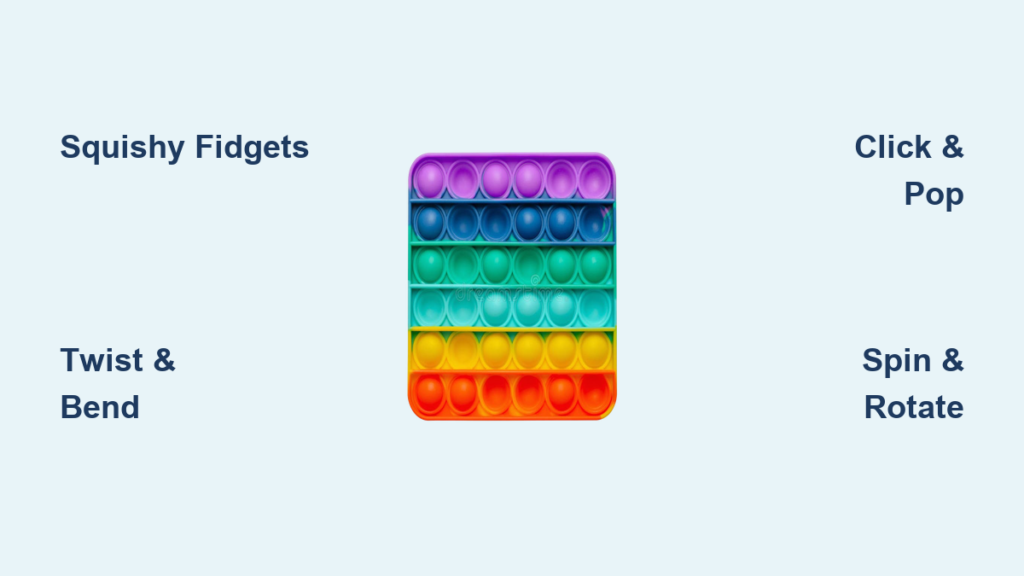
Fidgeting is natural, and when channeled through a well-designed fidget toy, it can boost focus, reduce anxiety, and soothe sensory needs. While commercial fidgets can cost $10–$20, you can make a fidget toy at home in minutes using everyday materials. From squishy stress balls to spinning bottle caps, the right DIY fidget gives tactile, auditory, or kinetic feedback tailored to your preferences.
This guide walks you through proven ways to make a fidget toy that works for your specific needs. Whether you’re crafting for ADHD support, classroom use, or stress relief, these DIY designs are low-cost, customizable, and effective. You’ll learn how to build sensory-rich toys from balloons, paper clips, beads, LEGO, and more using supplies you likely already have.
Let’s dive into the easiest, most satisfying ways to make a fidget toy.
Balloon Stress Balls You Can Make in 5 Minutes
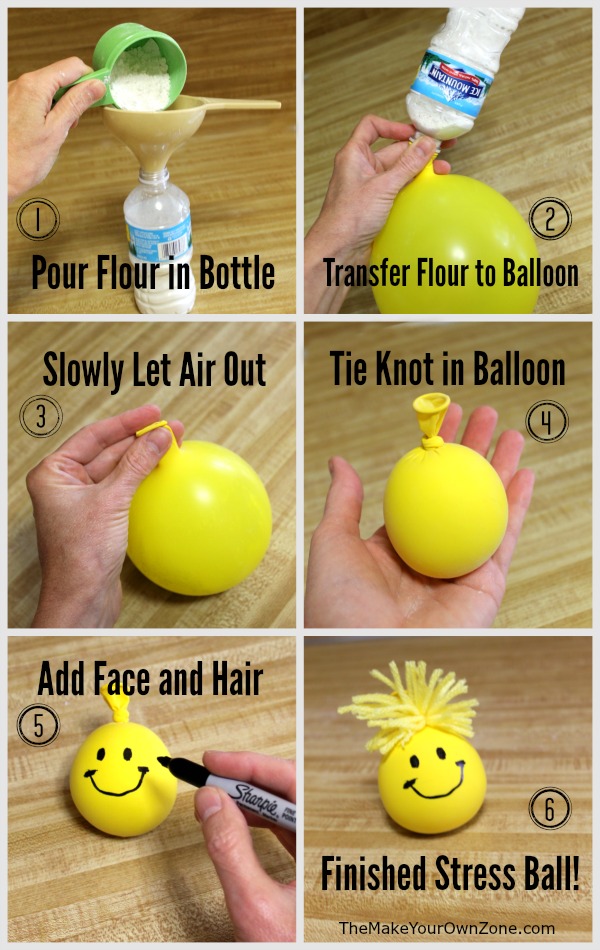
One of the quickest and most popular DIY fidgets is the balloon stress ball. It provides a soft, squeezable experience that’s fully customizable in texture and firmness.
Choose Your Filler for Custom Feel
Select your filler based on the sensory experience you want:
- Flour or cornstarch creates a smooth, compressible squish
- Rice or beans add weight and subtle grainy texture
- Orbeez (water beads) provide a bouncy, jelly-like feel
- Lavender combined with rice offers calming scent plus firm texture
Pro Tip: Add a drop of essential oil or dried lavender to your filler for soothing aromatherapy.
Build a Leak-Proof Balloon Fidget
- Stretch open a balloon neck
- Use a funnel or rolled paper to pour in your filler, filling about two-thirds full
- Pinch out excess air before tying tightly
- Double-knot for safety and durability
Test the seal by gently squeezing before use. For extra protection, place the filled balloon inside a second balloon.
Paper-Based Fidgets That Crinkle and Click
Paper and packaging materials transform into lightweight fidgets that deliver satisfying tactile and auditory feedback.
Make a Crisp Packet Squishy
Empty chip or candy wrappers create a glossy, crinkly fidget:
- Cut two identical shapes from a crisp packet
- Tape or glue around the edges, leaving a small gap
- Insert cotton, air, or a few beads for texture
- Seal completely
The metallized plastic makes a crisp sound when squeezed, perfect for auditory stimulation.
Fold a Flextangle for Visual Surprise
Flextangles are paper toys that flip to reveal hidden colors and patterns:
- Print or draw a hexaflexagon template
- Cut and fold along marked lines
- Glue tabs to form a hexagon
- Flex by pinching and opening to reveal new faces
This combines visual intrigue with fine motor movement, great for kids and focus training.
Bead Fidgets for Sliding and Spinning

Beads offer smooth motion and repetitive action, ideal for discreet fidgeting at school or work.
Create a Bead Chain for Finger Sliding
- Thread pony beads onto a shoelace or elastic cord
- Tie knots at both ends to secure
- Slide beads back and forth between fingers
Use beads of different sizes and textures for varied feedback.
Build a Desk-Mounted Bead Slider
- Thread beads onto a pipe cleaner
- Tape both ends to a cardboard square or notebook
- Slide beads side to side along the wire
The fixed axis prevents loss and allows smooth, predictable motion, ideal for ADHD focus.
Spin Fidgets from Bottle Caps and Paper
Spinning toys engage the motor cortex with rhythmic motion, helping calm an overactive mind.
Assemble a Bottle-Cap Spinner
- Place a small bead or bearing in the center of one bottle cap
- Press a second identical cap on top, rim to rim
- Glue with strong adhesive and let dry fully before spinning
A balanced spinner can rotate 5–10 seconds on a fingertip.
Fold a Paper Fidget Spinner
- Use a square piece of paper
- Fold into a triangle or multi-pointed star
- Balance on a fingertip and spin gently
This also teaches balance and centripetal force, great for STEM learning.
Tactile Fidget Cards with Mixed Textures
Tactile fidgets help sensory seekers by offering varied touch experiences in one compact tool.
Glue a Texture Sampler Card
- Cut a 3×5 inch piece of cardstock or index card
- Attach different textured stickers including bumpy (bubble wrap), fuzzy (felt scraps), scratchy (sandpaper), and smooth (plastic)
- Allow peeling and re-sticking for repeated use
Peeling and placing stickers builds hand strength and coordination.
Sew a Button Fidget Square
- Glue or sew assorted buttons onto fabric or cardboard
- Mix round, flat, shank, and novelty buttons
- Rub fingers over different shapes and textures
Supervise young children since buttons are choking hazards.
Rubber Band Fidgets for Resistance Play
Rubber bands provide push-back resistance, engaging muscles and improving focus through proprioception.
Stretch a Rubber Band Grid
- Use a small cardboard square or plastic cup
- Stretch rubber bands across opposite sides to form a grid
- Push, pluck, or strum the bands
This combines touch, sound, and resistance like a tiny guitar.
Make a Shower Ring Fidget
- Take a plastic shower curtain ring
- Thread 5–10 small rubber bands around it
- Stretch and slide them around the ring
This fits in a pocket, perfect for on-the-go fidgeting.
LEGO Fidget Builds for Mindful Creativity
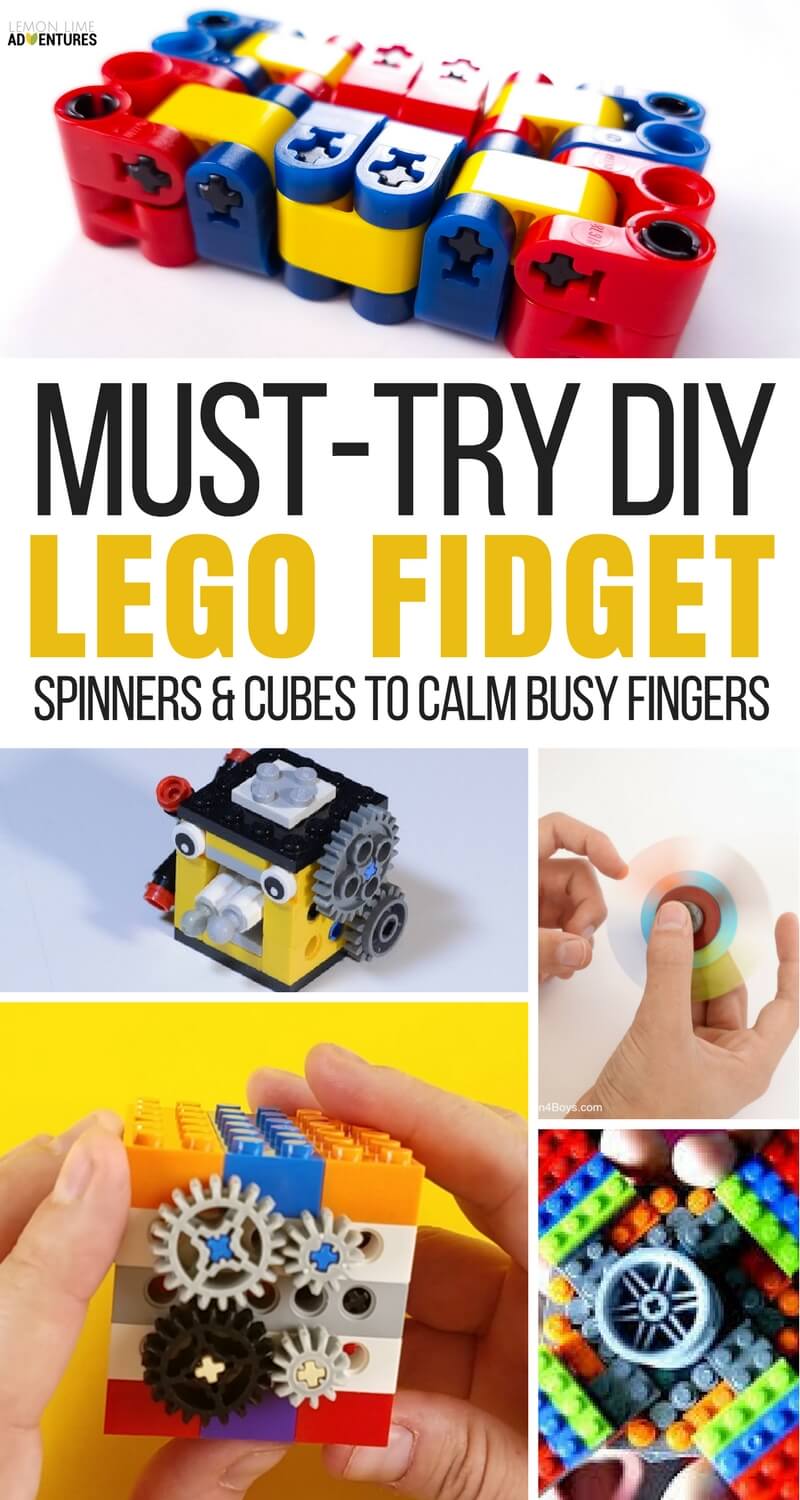
LEGO is a powerful fidget tool that promotes meditative focus.
Build Without Instructions for Calm
- Gather a small pile of LEGO bricks
- Build freely with no goal or pressure
- Focus on the clicking sound and tactile fit
Unstructured building quiets mental chatter and reduces anxiety.
Add Moving Parts for Kinetic Fun
Incorporate axles, gears, or hinges to create spinning arms, wobbling towers, or sliding panels.
Round shapes made from square bricks feel calming—try building flowing sculptures.
Crochet & Fabric Fidgets with Sound
For those who love soft textures and clicking sounds, crochet fidgets are both soothing and engaging.
Make a Crochet Clicker with a Hair Clip
- Crochet a small melon, chick, or fruit shape
- Insert a regular hair clip inside during final rounds
- Close and open the clip to hear a click-clack sound
The sharp auditory feedback satisfies the brain’s craving for oddly satisfying moments. Attach to a keyring or backpack zipper for portability.
Simple Wire and Metal Fidgets
Metal fidgets offer cool touch, weight, and satisfying snaps, great for discreet use.
Bend a Paper Clip Fidget
- Unfold a metal paper clip into a long wire
- Reshape into a figure-8 or loop
- Twist, flip, or slide between fingers
Thread small beads onto the clip for added movement.
Craft a Soda Can Ring Spinner
- Cut a 1–2 inch ring from the center of an aluminum can
- Sand edges thoroughly with sandpaper to prevent cuts
- Spin or twist between fingers
This makes a soft click when tapped, like a mini fidget ring.
Warning: Only adults or older kids should handle cutting and sanding.
Pencil Topper and Clip Fidgets for School
Discreet fidgets are essential in classrooms, and these designs keep hands busy without distracting others.
Attach a Rubber Band Pencil Topper
- Wrap a rubber band around the pencil’s eraser end
- Slide it up and down or stretch it gently
Alternatively, mold a small piece of clay into a shape and stick it on top.
Clip Binder Clips to a Pencil
- Attach 2–3 small binder clips to the pencil shaft
- Flick or spin the metal arms
The snapping sound plus visual motion is satisfying and focus-enhancing.
Keychain and Bead Fidgets for On-the-Go Use
Portable fidgets help manage anxiety during commutes, meetings, or transitions.
Thread a Beaded Keychain
- Use a small keyring and assorted beads
- String beads directly onto the ring
- Spin, slide, or link and unlink
Choose large beads to prevent snapping from overuse.
Design Smarter Fidgets: Match Toy to Need
Not all fidgets work for everyone. Choose your DIY design based on your sensory goal.
Pick the Right Type for Your Purpose
| Need | Best DIY Fidget |
|---|---|
| Reduce anxiety | Lavender rice ball, crochet clicker |
| Improve focus (ADHD) | Bead slider, rubber band grid |
| Sensory seeking (autism) | Texture card, weighted pencil |
| Discreet classroom use | Pencil topper, beaded bracelet |
| Creative stimulation | LEGO build, freeform doodling |
Customize for Sensory Preferences
Focus on tactile options like bumpy, fuzzy, or squishy materials. Include auditory elements such as clicking, rattling, or crinkling sounds. Add kinesthetic features including spinning, sliding, or stretching. Use visual bright colors, patterns, or changing designs. Incorporate olfactory elements like calming scents.
Safety & Durability Tips for Long-Lasting Fidgets
Even simple fidgets need to be safe and sturdy, especially for kids.
Avoid Choking Hazards and Sharp Edges
Small parts are not suitable for children under 3. Check for latex allergies before using balloon toys. Always sand soda can edges smooth. Use glues and dyes in well-ventilated areas.
Reinforce Weak Points
Double-knot cords and strings. Seal containers with glue. Use strong adhesive for spinners and bead sliders.
Design for replaceability by making extra bead bracelets or paper fidgets.
Why DIY Fidgets Beat Store-Bought Ones
Commercial fidgets can cost $10–$20, but DIY versions cost under $1, often just pennies.
DIY fidgets are fully customizable, letting you control size, texture, sound, and weight. They’re sustainable since you use recycled materials like bottle caps, wrappers, and old buttons. The act of crafting itself reduces stress before you even use the toy.
Final Tips to Make the Best DIY Fidget Toy
- Start simple by trying a paper clip or rubber band first
- Test and tweak by adjusting tightness, balance, or texture based on feel
- Involve kids by letting them choose colors and designs
- Use what you have since crisp packets, buttons, and pencils work perfectly
- Make it a habit by keeping one in your pocket, bag, or desk drawer
Frequently Asked Questions About Making Fidget Toys
What household items can I use to make a fidget toy?
You can make fidgets from balloon stress balls using flour, rice, or Orbeez, paper clip fidgets, rubber band grids, bead chains, and bottle cap spinners. Most require only items you already have at home.
How do I make a stress ball without a balloon?
You can make a paper squishy by gluing two identical shapes from crisp packets or laminated paper together around a small amount of cotton or air. You can also use a small cloth pouch filled with rice or beans and sewn shut.
Are DIY fidgets safe for children?
Most DIY fidgets are safe with adult supervision. Avoid small parts for children under 3, check for latex allergies before using balloons, and always sand metal edges smooth. Supervise use of buttons, beads, and small parts.
Which fidget toy is best for anxiety relief?
Lavender rice stress balls and crochet clickers are excellent for anxiety relief. The squeezing action releases tension while calming scents provide olfactory comfort. Soft, repetitive movements help reduce cortisol levels.
How long do balloon stress balls last?
Balloon stress balls typically last several months with proper care. Double-knotting and storing inside a second balloon extends durability. Replace if the balloon shows signs of cracking or the filler becomes compacted.
Key Takeaways for Making Effective DIY Fidget Toys
Making fidget toys at home is accessible, affordable, and highly customizable. With simple materials like balloons, rubber bands, beads, and paper clips, you can create tools that provide tactile, auditory, or kinetic feedback tailored to your specific needs. Whether you need anxiety relief, focus improvement, or sensory stimulation, there’s a DIY fidget design that works for you. Start with simple options like paper clips or rubber bands, then experiment with more complex builds as you discover what satisfies your sensory preferences. The best fidget toy is one you enjoy using, and making it yourself means it’s perfectly suited to your unique needs.