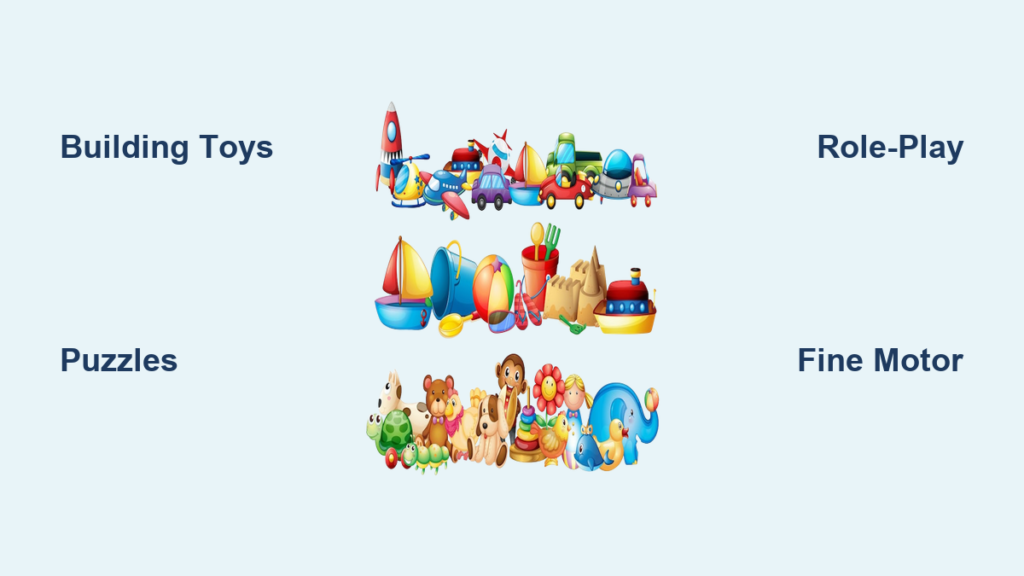
If your child flits from toy to toy without focus, or you are overwhelmed by clutter despite owning educational toys, the problem might not be the toys. It is the setup. A true Montessori toy set up is not about matching baskets or minimalist decor. It is about creating a calm, ordered space where your child can play deeply, learn independently, and return items confidently, all without constant adult direction.
The key lies in intentional design: fewer toys, easy access, purposeful materials, and a layout that supports natural development. Whether you have a full playroom or just a corner, you can build a Montessori-inspired environment that nurtures focus, motor skills, language, and responsibility. This guide walks you through exactly how to set up Montessori toys step by step using proven principles from real Montessori practice.
Limited Toy Display: Less Is More
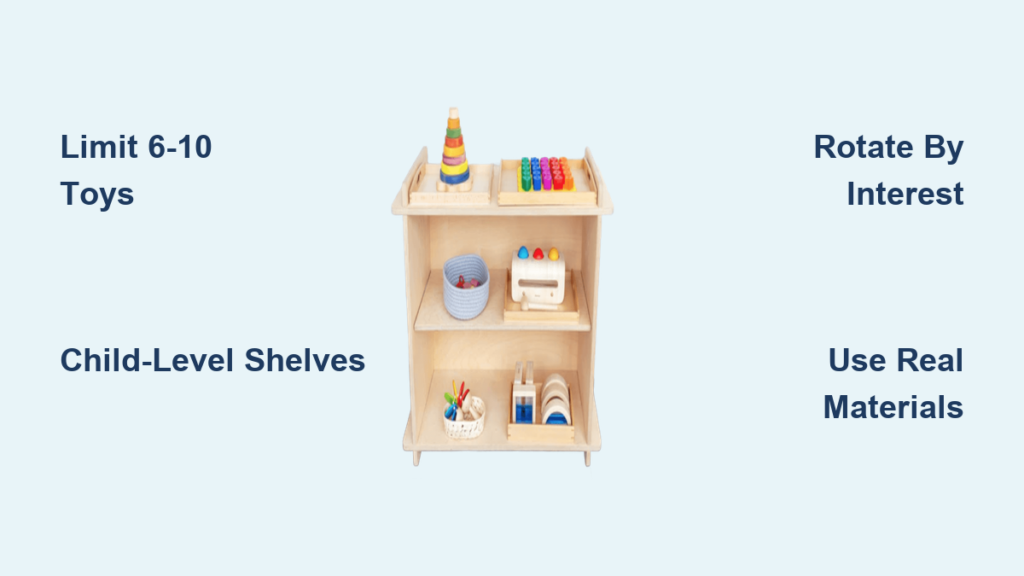
Overloaded shelves lead to distracted play. In a Montessori setup, only a few toys are visible at once. This reduces overwhelm and helps children dive into deep, uninterrupted exploration.
6 to 10 Activities Maximum
For toddlers and preschoolers, display 6 to 10 activities at a time. These should be carefully chosen based on current interests and developmental stage.
Too many choices create decision fatigue and short attention spans. Fewer options lead to longer focus, repetition, and mastery. Rotate only when interest fades, typically every 1 to 2 weeks.
Infant and Toddler Guidelines
For babies aged 0 to 12 months, offer 3 to 6 activities per session. Babies benefit from movement between simple sensory items like rattles, texture balls, and mirrors.
For toddlers aged 12 to 36 months, limit to 3 to 6 toys on display. Toddlers thrive on repetition. Seeing the same toy again and again builds confidence and skill.
Use a Rotation System
Keep the rest of your toy collection stored out of sight in bins or closets.
Perform partial swaps. Remove 2 to 3 items and replace them with new ones. Keep 1 to 2 favorites to maintain continuity.
Reintroduce old toys later. They often feel new again after a break.
Label rotation bins by category like Sensory, Fine Motor, or Language for easy swaps.
Child-Level Access: Independence Starts Here

If your child cannot reach it, they cannot use it independently. A core Montessori principle is that everything must be within the child is reach, so they can choose, use, and return materials on their own.
Low Open Shelves Work Best
Use low, open shelves so children can see all options at a glance.
Recommended options include IKEA Kallax placed on the floor, Sprout Kids shelves, or Trofast units. Arrange baskets and trays horizontally if needed to lower height. Avoid closed cabinets or high furniture.
Alternative Storage Options
No shelf? No problem. Try these alternatives.
Rope baskets on the floor work well for soft toy storage. Wooden trays with labeled spots keep activities contained. Fabric bins grouped by activity type offer flexibility. Rugs or mats define zones without permanent fixtures.
Place these in a consistent location so your child knows where to go every time.
Make Toys Visible
Each activity should be clearly presented and self-contained. Use trays or baskets to group related items. This supports focus and makes cleanup easier.
| Toy Type | Best Presentation |
|---|---|
| Wooden car set | On a tray or in a low basket |
| Magna Tiles | All pieces in one large basket |
| Animal figurines | On a tray with a background scene |
| Scooping activity | On a child-sized tray with bowl and spoon |
Add Simple Labels
Labels help children identify where things belong. Use photo labels, icons, or bold text. Place labels on shelves or baskets. Teach your child during cleanup by asking where does the puzzle go.
This builds order, memory, and reading readiness.
Purposeful Toy Selection: Focus on Development
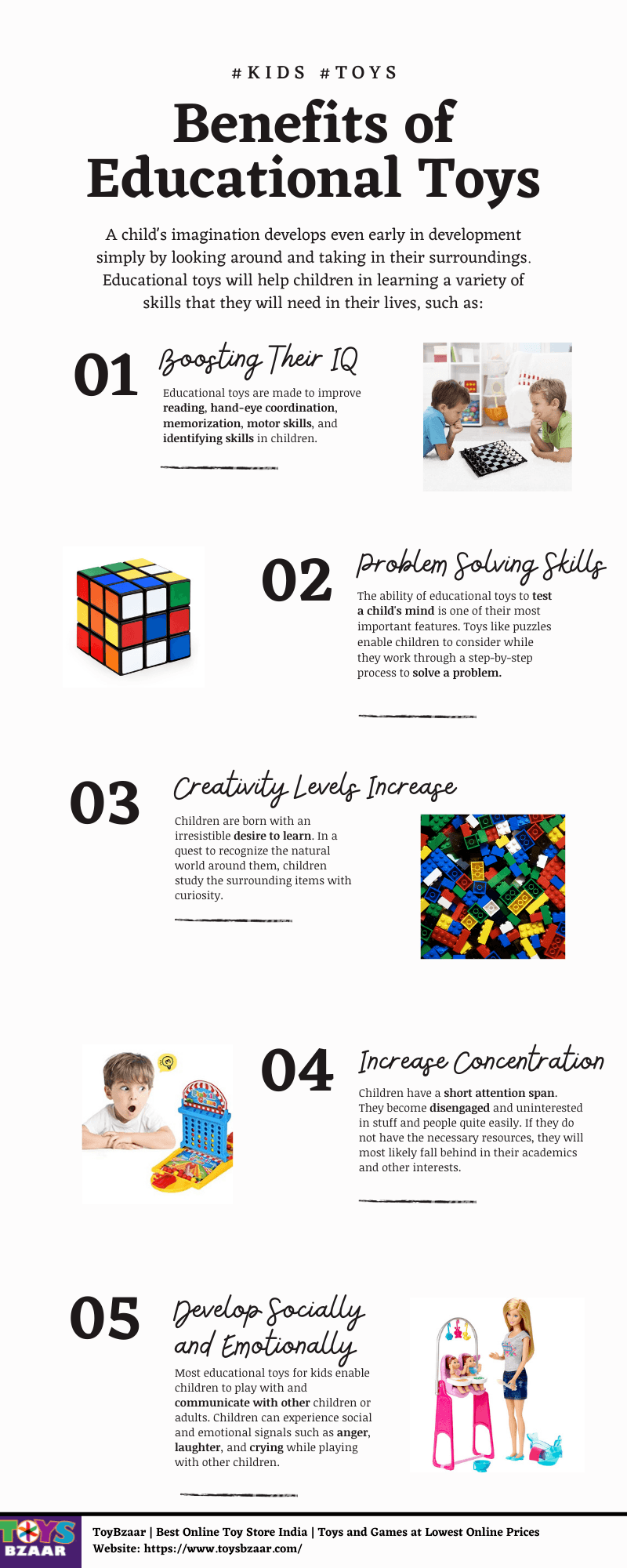
Montessori toys are not chosen for fun alone. They are selected because they help children grow specific skills. Every item should have a clear developmental purpose.
Key Traits of Montessori Toys
Look for these important characteristics when selecting toys.
Purposeful toys build fine motor, language, or cognitive skills. Open-ended toys can be used in multiple ways like blocks or fabric scraps. Self-correcting toys let the child see if they have made a mistake, like a puzzle piece that does not fit. Durable and safe toys are made from non-toxic, high-quality materials. Visually calm toys avoid flashing lights, loud sounds, or chaotic patterns.
Why Wood Is Popular But Not Required
Wooden toys are common in Montessori settings because they feel sensorially rich with weight, texture, and smell. They last for years and have a natural, calming aesthetic. They are less overstimulating than bright plastic.
But plastic toys are okay if they are well-made and purposeful. Stacking cups and lacing beads are good examples.
Avoid Battery-Operated Toys
Electronic toys with lights, music, or automatic play are generally discouraged because they promote passive watching instead of active doing. They overstimulate the senses and interrupt concentration. They focus on entertainment rather than learning.
Skip talking dolls, singing learning tablets, and musical toys with auto-play. Replace with hands-on alternatives like real instruments, wooden puzzles, or storytelling with books.
Include Real and Natural Objects
Bring the real world into play. Include kitchen tools like a small pitcher, sponge, bowl, and cloth. Add nature items like pinecones, shells, rocks, and leaves in a basket. Place plants or flowers in a child-safe vase. Hang family photos or artwork at eye level.
These foster respect for the environment and connect play to real life.
Essential Activity Types to Include
A balanced Montessori setup includes a mix of activities that support different areas of development.
Fine Motor Skill Builders
These help with hand strength, dexterity, and coordination.
Ring stackers build stacking and color recognition. Nesting cups teach size relationships. Lacing beads develop threading skills. Knob puzzles improve problem-solving. Posting boxes train slotting shapes into holes.
Start simple. If your child struggles, reduce difficulty by using fewer puzzle pieces.
Gross Motor Zones
Movement is critical, even in a toy-rich space. Leave open floor area for crawling, walking, and stretching.
Include a Pikler triangle for climbing development. Add a foam climbing couch like a Nugget for safe indoor play. Set up a balance beam for coordination. Place soft mats or cushions for safe landing.
If space is tight, use the living room or hallway for climbing and movement activities.
Sensory Exploration
Support touch, sound, sight, and movement through sensory activities.
Textured fabric swatches provide tactile discovery. Sensory bottles with water, glitter, or beads engage visual tracking. Musical instruments like drums, shakers, and xylophones develop rhythm. Water or sand play in a contained tray offers messy exploration. Color and texture sorting builds categorization skills.
Keep sensory materials on trays to contain mess.
Language and Cognitive Growth
Build vocabulary, memory, and thinking skills.
Board books with real photos of animals, foods, and vehicles build vocabulary. Picture-object matching cards connect images to real items. Naming games like this is a spoon or this is red reinforce language. Books displayed face-out on low ledges encourage independent reading.
Read together daily, but also let your child explore books alone.
Practical Life Skills
Children love to do real things. These activities build independence.
A child-sized broom and dustpan makes cleanup possible. Pouring practice with water or dry beans develops coordination. Sponge washing with a bowl and small towel teaches cleaning. Dressing frames with buttons, zippers, and laces build self-care skills. A step stool enables sink or counter access.
Start with simple tasks. Show once, then let your child try.
Imaginative Play the Montessori Way
Fantasy play is welcome but grounded in reality.
Realistic dolls and baby care items support nurturing play. A play kitchen with wooden food encourages cooking imagination. Animal figures and simple vehicles like wooden trucks and trains spark creative scenarios.
Avoid exaggerated or cartoonish toys. Let imagination grow from real experiences.
Smart Toy Rotation: Keep Interest Alive
Even the best toys lose appeal if they are always out. Rotation keeps play fresh and meaningful.
Rotate Based on Interest, Not Schedule
Do not swap toys every Monday. Instead, observe your child. Are they ignoring a toy? Using it roughly? Mastering it? Rotate when engagement drops, usually every 1 to 2 weeks. Keep 1 to 3 familiar favorites during swaps.
This prevents boredom and supports mastery.
Store Rotated Toys Out of Sight
Use labeled bins in a closet, under the bed, or in a cabinet. Group by type: Puzzles, Sensory, Art. Reintroduce old toys later because they will feel new again.
Out of sight equals renewed excitement when returned.
Try DIY and Low-Cost Activities
Many Montessori activities cost nothing.
Scoop rice or beans with a spoon develops pouring skills. String pasta on yarn practices lacing. Sort laundry or match socks builds categorization. Transfer water with pipettes refines fine motor control. Sort nature items like leaves and rocks encourages nature connection.
These are simple, effective, and eco-friendly.
Design a Cozy, Inviting Space
A Montessori environment should feel warm, not cold or sterile.
Add Comfort and Calm
Natural light whenever possible creates a welcoming atmosphere. Soft seating like a floor cushion, small couch, or beanbag provides comfort. A quiet corner with pillows offers rest and emotional regulation. Artwork and photos at child height make the space personal. Plants or flowers bring nature indoors.
This creates a space your child wants to return to.
Use Color Intentionally
Montessori spaces can be colorful, but color should have a purpose.
Use color to highlight differences like the pink tower for size. Teach concepts like red vowels in sandpaper letters. Guide focus like high-contrast mobiles for infants.
Avoid overly bright, cartoonish designs and cluttered, chaotic color patterns. Use color to define zones: a blue rug for reading, a red tray for sorting.
Organize by Activity Zones
Divide your space into areas for different kinds of play.
Create Defined Zones
Use rugs, mats, or furniture to separate areas.
A work mat area is for puzzles, sorting, and fine motor tasks. A reading corner with books, soft seat, and small lamp encourages literacy. An art station with a low table, paper, and crayons sparks creativity. A practical life shelf holds a pitcher, sponge, and broom. A climbing zone with a Pikler, foam couch, or balance beam supports physical development.
Zones help children know what to expect and stay focused.
Essential Furniture
Child-sized table and chairs enable seated work. A low mirror is great for infants learning body awareness. A picture ledge displays books face-out for easy access. A step stool provides bathroom or kitchen independence.
These small touches make independence possible.
Observe to Personalize the Setup
The best setups change with the child. Observation is your most powerful tool.
What to Watch For
Notice which toys your child returns to again and again. Track how long they play with each item. Watch for signs of frustration or mastery. Look for new skills emerging like pincer grasp, walking, or speaking.
Adjust Based on What You See
If they love puzzles, add 2 to 3 types in rotation. If lacing beads are too hard, set them aside and reintroduce later. If a toy is ignored, swap it for something aligned with current interests.
Your environment should evolve as your child grows.
Age-Based Toy Ideas
13 to 18 Months: Simple and Repeatable
Focus on graspable, repeatable activities.
A size matching puzzle supports cognitive and fine motor development. A baby drum encourages sensory and auditory exploration. Stacking and color matching plates introduce spatial awareness. A lacing beads set develops hand-eye coordination. Nesting dolls teach size sequencing. A posting box promotes object permanence and problem-solving. Board books about animals support language development.
Keep activities short and within reach.
18 to 36 Months: Increase Challenge
Introduce more complex tasks.
A shape sorting box enhances problem-solving. A ramp race track encourages cause-and-effect understanding. Pegboards build fine motor precision. Dressing frames develop practical life skills. Pouring activities train coordination and concentration. Simple art supplies foster creativity and expression.
Gradually increase difficulty as skills grow.
Daily Routines That Support the System
A Montessori setup thrives on consistency.
Teach Cleanup Early
Cleanup is a learning activity, not a chore. Show how to return each item to its spot. Start as early as 16 months by saying let us put the puzzle back. By 22 months, many children clean up when asked.
Benefits include building order and responsibility, strengthening motor skills, and reinforcing independence.
Review Weekly
Every 7 to 14 days, check for damaged or outgrown toys. Observe what is being used. Swap in new activities based on interests. Rearrange shelves slightly for novelty.
Small changes keep the space engaging.
Frequently Asked Questions About Montessori Toy Set Up
How many toys should be out at once for a toddler?
Display 3 to 6 toys at a time for toddlers between 12 and 36 months. For preschoolers up to age 6, you can display 6 to 10 activities. Fewer choices prevent decision fatigue and encourage deeper play.
Do Montessori toys have to be wooden?
No, Montessori toys do not have to be wooden. Wood is popular because it is durable, sensorially rich, and visually calm. However, plastic toys are acceptable if they are well-made, purposeful, and meet developmental criteria like being self-correcting or open-ended.
How often should I rotate Montessori toys?
Rotate toys when interest wanes, typically every 1 to 2 weeks. Observe your child to determine the right timing. Keep 1 to 3 favorites during swaps to maintain continuity. Partial swaps work better than complete replacements.
Can I do Montessori toy set up in a small apartment?
Yes, you can set up Montessori toys in any space. Use low shelves, floor baskets, or trays. Create zones using rugs or mats. Even a single corner or shelf can work. The key is accessibility, limited choices, and child-level storage.
What toys should I avoid in a Montessori environment?
Avoid battery-operated toys that light up, make noise, or play automatically. These promote passive watching rather than active engagement. Also avoid overly cartoonish or fantastical toys that distance play from reality. Skip toys that overstimulate the senses or interrupt concentration.
Key Takeaways for Creating Your Montessori Toy Set Up
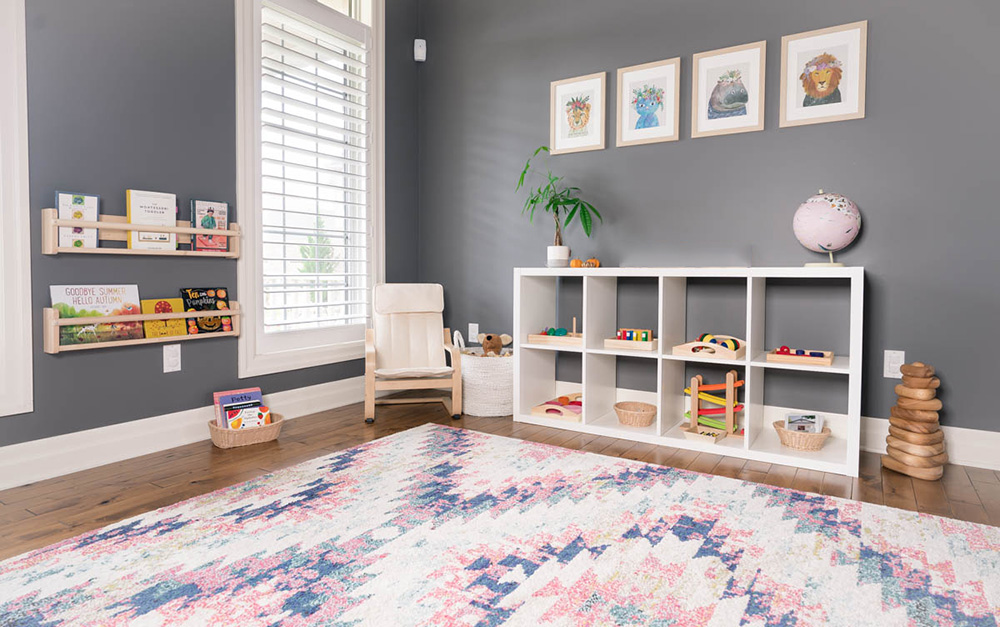
A Montessori toy set up is not about perfection or matching decor. It is about creating a functional space where your child feels capable, calm, and curious. Start small by clearing one shelf, adding a low basket, and rotating out half the toys. Watch what your child does, adjust based on their interests, and repeat the process over time.
The core principles remain simple. Limit visible toys to 6 to 10 at a time. Ensure everything is within your child is reach. Choose purposeful toys that support development. Create zones for different types of play. Observe your child regularly and let their interests guide changes.
Over time, you will build a yes environment, one where your child can explore freely, learn deeply, and grow with confidence and joy.