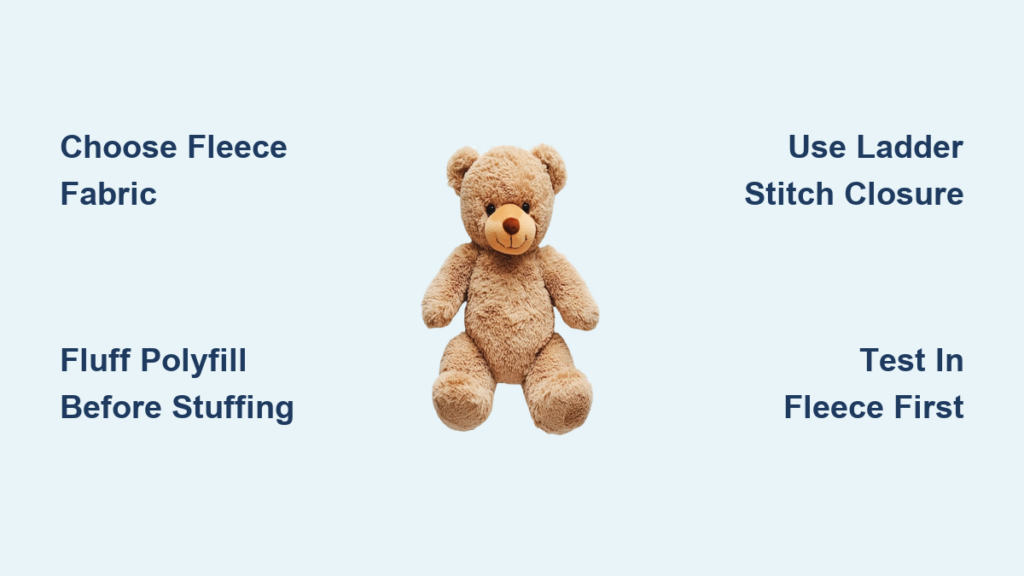
Nothing brings comfort like a favorite plush toy, whether it’s a child’s bedtime companion or a nostalgic keepsake from years past. But over time, these beloved stuffed animals collect dust, dirt, and odors that can affect hygiene and freshness. Knowing how to clean a plush toy properly is essential to preserve its softness, color, and structure without causing damage. The right method depends on the toy’s material, construction, and whether it has electronics or delicate details.
You don’t always need a full wash. Sometimes a quick refresh is enough. This guide covers every safe cleaning option: machine washing, hand washing, spot cleaning, and odor removal, plus drying tips and long-term care. Whether you’re dealing with a muddy teddy bear or a musty heirloom, you’ll learn exactly how to clean a plush toy based on its type and condition, without risking tears, shrinkage, or ruined stuffing.
Check the Care Label Before Cleaning
Read the Manufacturer’s Instructions
Always start by checking the care label sewn into the plush toy’s seam or foot. It may say “machine washable,” “hand wash only,” “spot clean,” or “do not wash.” These instructions are tailored to the fabric, stuffing, and design. Ignoring them can lead to shrinking, color bleeding, or damaged seams.
If the label is missing or faded, inspect the toy closely. Look for clues like polyester filling, cotton fabric, or mohair. Check for button eyes, glued decorations, or speaker grilles. These details help determine the safest cleaning method when official instructions aren’t available.
Assess the Toy’s Condition First
Ask yourself these questions before selecting a method:
- Is the toy heavily soiled or just dusty?
- Are there loose seams or rips?
- Does it contain batteries or make sounds?
- Are there glitter, paint, or ribbons that might dissolve?
When in doubt, choose the gentlest method. Spot cleaning is the safest first step for uncertain cases, and it protects delicate or electronic components from water damage.
Machine Wash a Plush Toy Safely

Use a Mesh Bag for Protection
Machine washing works well for durable, non-electronic plush toys made of cotton or polyester. To protect the toy during the wash cycle, place it in a zippered mesh laundry bag. No bag available? Use a pillowcase tied securely at the top instead. This prevents tangling, stretching, and fabric abrasion that can damage seams or pull out fur.
Avoid washing multiple plush toys together in the same load. Different colors may bleed, and multiple toys can tangle around each other, causing stress on seams and stitching.
Select the Right Wash Settings
Set your washer to cold water on the delicate or gentle cycle. Use a mild liquid detergent like Dreft, adding the recommended amount based on your load size. Avoid bleach and fabric softener, as these weaken fibers and cause fading. Run an extra rinse cycle to flush out all soap residue, which helps prevent skin irritation and keeps the fabric soft.
Air Dry Completely After Washing
Never toss plush toys in a standard dryer unless the label explicitly says it’s safe. Heat can melt synthetic fur, shrink fabric, or burst seams. Instead, remove the toy from the bag and gently squeeze out excess water. Never wring or twist the toy, as this distorts its shape. Lay flat on a clean towel and flip every few hours for even drying. Most plush toys take 8 to 24 hours to dry fully, depending on size and stuffing density.
Hand Wash Delicate Plush Toys
When Hand Washing Is Best
Hand washing gives you more control and is ideal for large or heavily soiled toys with furry or textured surfaces. It reduces mechanical stress compared to machine agitation, making it safer for toys with fragile stitching but no electronics. This method works well for thick teddy bears, vintage-style plush, and toys with long pile fur that might mat in a washing machine.
Step-by-Step Hand Washing
Fill a sink or basin with cold water and add two tablespoons of mild detergent. Submerge the toy fully, but avoid soaking any electronic components. Gently press and swirl to loosen dirt, focusing on stained areas like the mouth, paws, and arms. Use your fingertips only. Never scrub with a washcloth on long-pile fur, as this pulls fibers and creates lint balls.
Drain the soapy water and hold the toy under cold running water, squeezing until no suds remain. Press gently to remove water without twisting. Reshape the head and limbs, then lay flat on a dry towel. Flip every 6 to 8 hours. Drying can take 1 to 3 days for thick toys. Speed things up by placing near a fan, but never use direct heat like a radiator or hair dryer.
Spot Clean Non-Washable Plush Toys

When Spot Cleaning Is Necessary
Spot cleaning is the only safe option for sound-enabled toys with glued-on eyes, noses, or sequins. It’s also best for antique or heirloom plush, mohair or fur-trimmed designs, and any toy where water immersion risks short circuits, delamination, or fabric damage. This method keeps your plush toy fresh without risking structural damage from full water exposure.
Clean Stains Without Submerging
Mix one teaspoon of mild detergent with one cup of cold water. Test the solution on a hidden spot like a seam or the back of the foot. Wait a few minutes. If no dye transfers and no fading occurs, you’re safe to proceed.
Dampen a corner of a soft cloth with the solution. Make sure the cloth is not soaking wet. Gently wipe dirty areas in small circular motions. Use a second cloth dampened with plain cold water to rinse the spot. Blot dry with a towel and let air dry completely before use or storage.
Tools for Effective Surface Cleaning
A soft-bristled brush loosens dirt from fur without damaging fibers. A lint roller picks up dust and pet hair quickly. Cotton swabs reach tight spots around eyes, noses, and between seams. These tools make surface cleaning more effective while keeping moisture away from sensitive areas.
Remove Odors Without Water
Baking Soda Deodorizing Method
For plush toys that aren’t dirty but smell musty, smoky, or sweaty, try dry deodorizing. Place the toy in a plastic bag and add a quarter to half a cup of baking soda, depending on the toy’s size. You can also use a capful of Dreft Blissfuls Scent Booster for added freshness. Seal the bag and shake gently to distribute the powder evenly. Let sit for 6 to 12 hours or overnight.
Remove the toy and shake off excess powder thoroughly. Vacuum lightly with a hose attachment to remove residue from fur and crevices. Warning: baking soda can clog vacuum filters, so clean the canister or replace the bag immediately after use.
Sunlight and Freezing Alternatives
Place the toy in indirect sunlight for 2 to 4 hours. UV rays kill bacteria and reduce odors naturally. Avoid direct sun to prevent fading, especially on brightly colored toys. For small non-electronic toys, seal in a bag and freeze for 24 to 48 hours to kill dust mites. Let the toy warm to room temperature before opening the bag to avoid condensation forming on the fur.
Clean Special Types of Plush Toys

Handle Teddy Bears Carefully
Classic teddy bears often have long synthetic or mohair fur prone to matting, button eyes that can loosen with water exposure, and voice modules if electronic. Brush fur gently after drying to restore fluffiness. Use spot cleaning or hand wash only if the bear is structurally sound and has no electronics.
Care for Vintage Plush Toys
Older toys may have brittle fabric or stuffing, faded dyes that bleed, and weak seams. Spot clean plus baking soda deodorizing is the safest approach. Avoid water unless absolutely necessary. If the toy is sentimental or valuable, consider consulting a textile conservator before cleaning.
Never Submerge Electronic Plush
Toys that light up, talk, or move must never be machine or hand washed. Always remove batteries before any cleaning. Only spot clean with minimal moisture, and never let liquid enter speaker holes or battery compartments. Even small amounts of water can damage internal electronics permanently.
Protect Embellished Toys
Glitter, paint, ribbons, or glued parts can dissolve, bleed color, or detach when wet. Spot clean only, and always test your detergent solution on a hidden area first. Be gentle around decorated areas to prevent snagging or damaging delicate details.
Dry Plush Toys the Right Way
Air Drying Is Always Safest
No matter how you clean, air drying is non-negotiable for most plush toys. Lay flat on a clean towel and reshape the head, arms, and legs. Flip every 6 to 8 hours. Keep away from direct heat or sunlight. Stuffed animals with dense filling can stay damp inside for days, so ensure full dryness to prevent mold and mildew from developing inside the stuffing.
When a Dryer Is Acceptable
Only use a dryer if the care label says it’s safe. Even then, use the no-heat or air-fluff setting. Place the toy in a mesh bag and check every 10 minutes. Never use high heat, as it melts fibers, shrinks fabric, and damages electronics. Most plush toys are safer air drying, so skip the dryer unless you’re certain it’s approved.
Maintain Plush Toys Long-Term
Set a Cleaning Schedule
Clean daily-use toys every 2 to 4 weeks. Occasional-use toys need cleaning every 3 to 6 months. Wash immediately after illness to remove germs and bacteria. Regular cleaning prevents deep-set stains and bacterial buildup that becomes harder to remove over time.
Prevent Damage Before It Happens
Encourage children to wash hands before playing with plush toys. Rotate toys to reduce wear on favorites. Store in ventilated cotton bags, never sealed plastic, which traps moisture and causes mold. Repair loose seams early with needle and thread before they worsen.
Inspect Before Every Wash
Before cleaning, always check for loose buttons or eyes. Feel for hidden electronics or battery compartments. Look for rips or weak seams. Fix small issues first to avoid worsening damage during the cleaning process.
Recommended Cleaning Products
Gentle Detergents to Use
Dreft Liquid Detergent is safe for baby-safe fabrics and gentle on plush materials. Dreft Pure Gentleness is hypoallergenic, ideal for sensitive skin. Dreft Blissfuls Scent Booster adds freshness during deodorizing and can be used in the baking soda method.
Essential Cleaning Tools
Mesh laundry bags protect toys during machine washing. Soft microfiber cloths work well for spot cleaning. A small soft-bristled brush gently loosens dirt from fur. A lint roller removes dust and pet hair between cleanings. A vacuum with hose attachment cleans up baking soda residue safely.
Quick Reference: Best Methods by Toy Type
| Plush Toy Type | Best Cleaning Method | Key Notes |
|---|---|---|
| Standard plush (no electronics) | Machine or hand wash | Use cold water, air dry |
| Furry or textured toys | Hand wash or spot clean | Avoid abrasive cloths |
| Electronic toys | Spot clean only | Remove batteries first |
| Antique or fragile toys | Spot clean plus baking soda | Avoid water if possible |
| Toys with glued details | Spot clean only | Moisture causes detachment |
| Heavily soiled toys | Hand wash with pre-treatment | Gently scrub stains |
| Odor issues only | Baking soda or sun airing | No washing needed |
Frequently Asked Questions About Cleaning Plush Toys
Can I machine wash a plush toy with button eyes?
Yes, but only if the care label permits machine washing and the eyes are securely attached. Place the toy in a mesh bag and use cold water on the gentle cycle. However, if the eyes are loose, cracked, or glued, skip machine washing and spot clean instead to prevent them from coming off during agitation.
How do I clean a plush toy that talks or makes sounds?
Remove the batteries immediately before any cleaning. Use spot cleaning only with a damp cloth and mild detergent. Never submerge electronic toys in water. Clean around speaker grilles carefully with a dry or barely damp cloth to avoid damaging internal components.
Can I put a plush toy in the dryer?
Only if the care label explicitly says it’s safe. Even then, use the lowest heat setting or no-heat air-fluff cycle. Most plush toys air dry better, as heat can melt synthetic fibers, shrink fabric, and damage seams. When in doubt, always air dry.
How do I remove stains from a plush toy?
Mix one teaspoon of mild detergent with one cup of cold water. Test on a hidden area first. Gently dab the stained area with the solution using a soft cloth. Blot with plain water to rinse, then air dry completely. For tough stains, repeat the process or try a small amount of enzyme-based stain remover designed for delicate fabrics.
How often should I clean my child’s favorite plush toy?
For toys used daily, clean every 2 to 4 weeks to prevent bacteria buildup. Clean immediately after illness to eliminate germs. For occasional-use toys, every 3 to 6 months is sufficient. Spot clean between deep cleans to keep favorite toys fresh.
What if the plush toy is vintage or irreplaceable?
For antique or sentimental toys, avoid water if possible. Use spot cleaning with minimal moisture and baking soda deodorizing. If the toy is valuable, consult a textile conservator before attempting any cleaning. The safest approach is often the gentlest one.
Key Takeaways for Cleaning Plush Toys
The most important rule is to always check the care label first and assess the toy’s condition before choosing a method. When in doubt, start with spot cleaning, as it’s the safest option for electronics, embellishments, and fragile materials. Air drying is non-negotiable for most plush toys, as heat damages fibers, electronics, and seams.
Regular maintenance extends the life of plush toys significantly. Clean daily-use companions every few weeks, rotate toys to reduce wear, and store them in ventilated areas away from moisture. With the right approach, you can keep plush toys soft, safe, and snuggly for years to come.