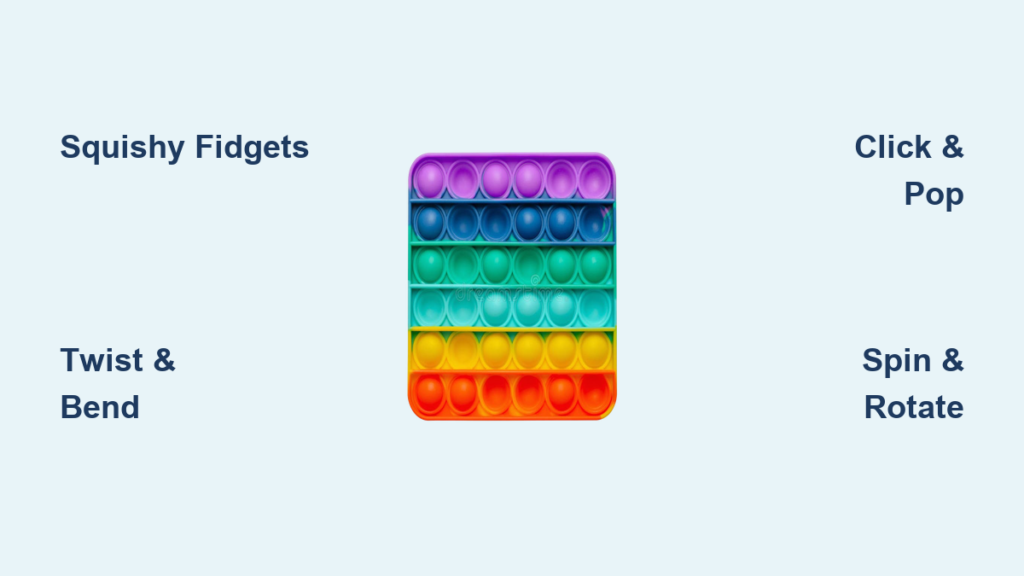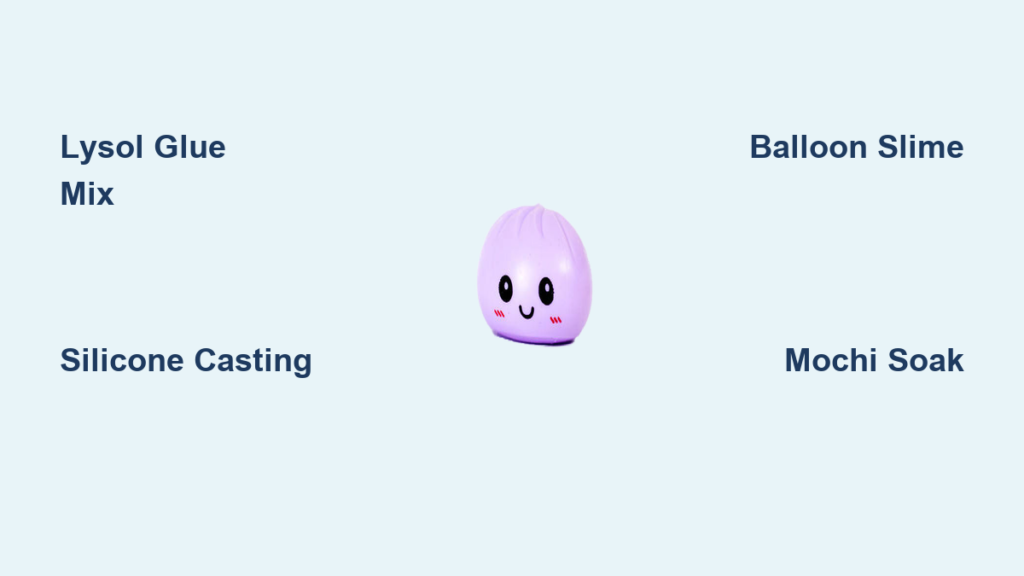
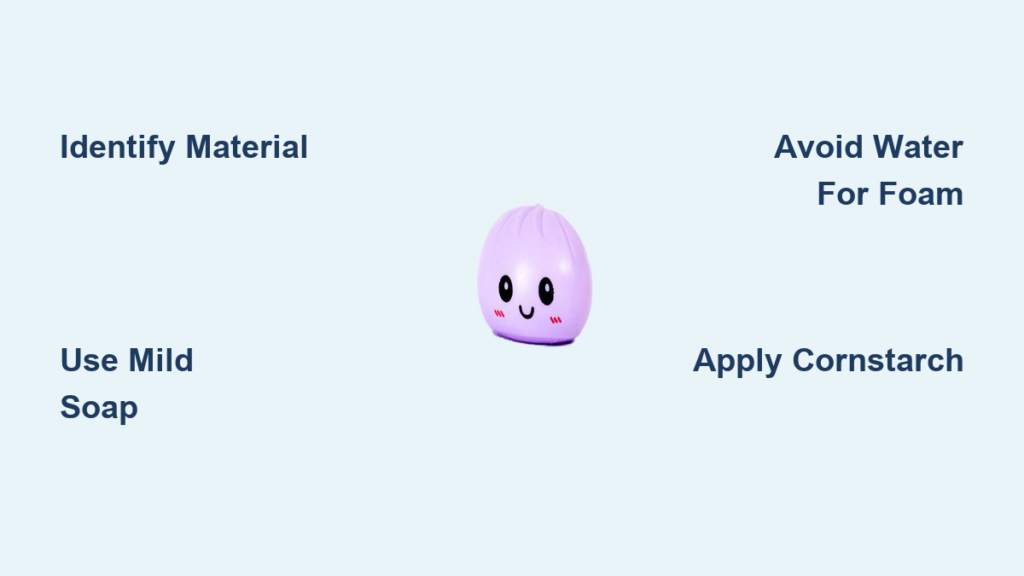
Squishy toys have become beloved comfort items for kids and adults alike. These soft, satisfying toys are perfect for stress relief, but with frequent handling, they collect oils, dust, and germs that can leave them sticky, discolored, or unhygienic. Knowing how to clean a squishy toy properly is essential to preserving its texture, shape, and longevity. The right cleaning method depends entirely on the material: foam, silicone, or fabric-covered. Using the wrong technique can lead to mold growth on foam or permanent damage to delicate silicone surfaces. This guide breaks down safe, effective cleaning techniques for every type, including brand-specific care for popular models like Taba Squishy, so you can keep your squishy soft, smooth, and germ-free.
Identify Your Squishy Type
Before cleaning, you must determine what kind of squishy you have. Using the wrong method can damage or destroy it entirely.
Foam vs Silicone vs Fabric
Different materials require completely different care approaches.
- Foam squishies like stress balls or slow-rise food toys absorb water and must never be soaked.
- Silicone squishies often bouncy or sticky are water-resistant and can be safely handwashed.
- Fabric-covered squishies plush toys with squishy fill require spot cleaning to avoid damaging internal stuffing.
Test Rebound to Confirm Material
Press your finger into the toy to determine its material.
- Slow rebound (3-5 seconds) indicates likely foam.
- Fast bounce-back (less than 1 second) indicates likely silicone.
- Soft plush exterior with squish inside indicates fabric-covered.
Knowing this helps you choose the safest cleaning method and avoid irreversible damage.
Gather Safe Cleaning Supplies
Use only gentle tools and products to protect your squishy’s surface and texture.
Essentials for All Types
Stock these basic supplies for any squishy cleaning task.
- Lukewarm or cool water because heat warps silicone and degrades foam.
- Mild soap such as dish soap, baby shampoo, or unscented hand soap.
- Microfiber cloth or soft sponge for non-abrasive wiping without scratches.
- Lint-free towel for patting dry to avoid fiber shedding.
- Soft toothbrush (optional) for textured silicone surfaces only.
Special Additions by Type
Certain supplies work better for specific squishy types.
- Foam: White shaving cream, disinfectant wipes, adhesive tape.
- Silicone: Cornstarch or talc-free baby powder to reduce stickiness.
- Fabric-covered: Cotton pillowcase for machine wash protection.
Avoid bleach, alcohol, and abrasive scrubbers because they damage all squishy types.
Clean Foam Squishies Safely
Foam squishies are highly absorbent and take hours to dry. Never submerge them in water.
Damp Cloth Wipe (Best for Light Dirt)
This method works well for lightly soiled foam squishies.
- Mix a drop of mild soap in warm water.
- Dampen a microfiber cloth and wring until almost dry.
- Wipe the surface gently, focusing on dirty spots.
- Use a second damp (soap-free) cloth to remove residue.
- Pat with a dry towel and air-dry for 6-12 hours in a cool, ventilated area.
Turn the squishy occasionally during drying to ensure even results.
Shaving Cream Clean (For Deep Cleaning)
Use this method when water is not an option.
- Apply plain white shaving cream (no gels or colors) to a dry squishy.
- Rub gently with fingers to lift oils and grime.
- Wipe off with a dry or slightly damp cloth.
- Let air-dry completely before use.
Shaving cream acts as a dry cleanser, absorbing dirt without adding moisture.
Disinfectant Wipes (For Germ Control)
Use only child-safe, alcohol-free wipes for this method.
- Gently wipe the surface but do not saturate.
- Test on a small area first because wipes may remove paint.
- Air-dry fully before handling.
Avoid using disinfectant wipes on painted or flocked surfaces.
Wash Silicone Squishies Properly
Silicone squishies like Taba or Mochi brands are durable and safe for handwashing.
Handwash with Soap and Water
Follow these steps for a thorough clean.
- Fill a bowl with lukewarm water and a drop of mild soap.
- Submerge the squishy and gently rub with fingertips only.
- For textured areas, use a soft toothbrush with no nails or scrubbing.
- Rinse under cool running water until no soap remains.
- Pat dry with a lint-free towel, never wring or twist.
- Air-dry on a clean plate for 4-12 hours in a shaded area.
Incomplete rinsing causes stickiness, so rinse thoroughly.
Scotch Tape Clean (Quick Refresh)
This method works well for daily maintenance.
- Tear off a piece of clear adhesive tape.
- Press onto the surface and peel off to remove lint and dust.
- Repeat until surface is clean.
This method is best for lightly soiled squishies with no water and no drying time required.
Remove Stickiness with Cornstarch
Silicone may feel tacky after washing.
- Ensure the squishy is 100% dry.
- Sprinkle cornstarch or talc-free baby powder on a plate.
- Dust over the surface and rub gently with clean hands.
- Tap off excess to instantly restore a smooth, silky feel.
Cornstarch absorbs oils and is safer than talcum powder.
Care for Fabric-Covered Squishies
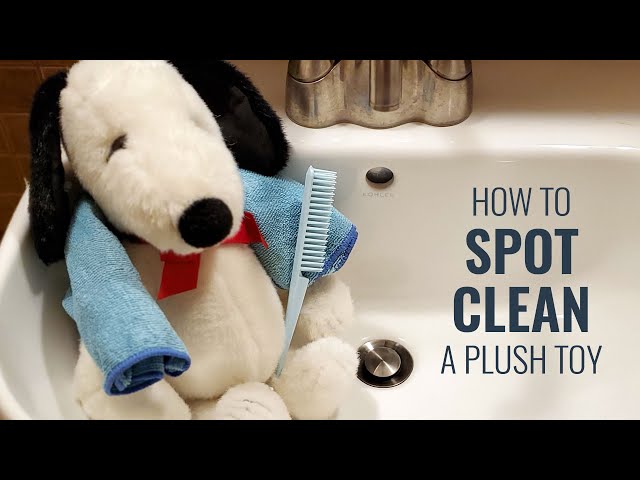
These plush toys have squishy fillings that can clump or harden if wet.
Spot Clean Only (Recommended)
This is the safest method for fabric-covered squishies.
- Mix warm water with a drop of baby detergent.
- Dampen a corner of a washcloth, keeping it barely wet.
- Gently dab or wipe stained areas.
- Blot with a dry towel to pull out moisture.
- Air-dry for 12-24 hours in a cool, ventilated space.
Avoid soaking because water cannot escape the inner filling, leading to mold.
Machine Wash (Last Resort)
Only attempt this if heavily soiled and spot cleaning fails.
- Place squishy in a cotton pillowcase and tie shut.
- Wash in cold water on gentle cycle with mild detergent.
- Tumble dry on cool/low heat, which may need multiple cycles.
- Check for lumps and reshape gently while warm if needed.
Never use hot water or high heat because it melts glue, hardens foam, and shrinks fabric.
Brand Guide: Clean Taba Squishy Correctly

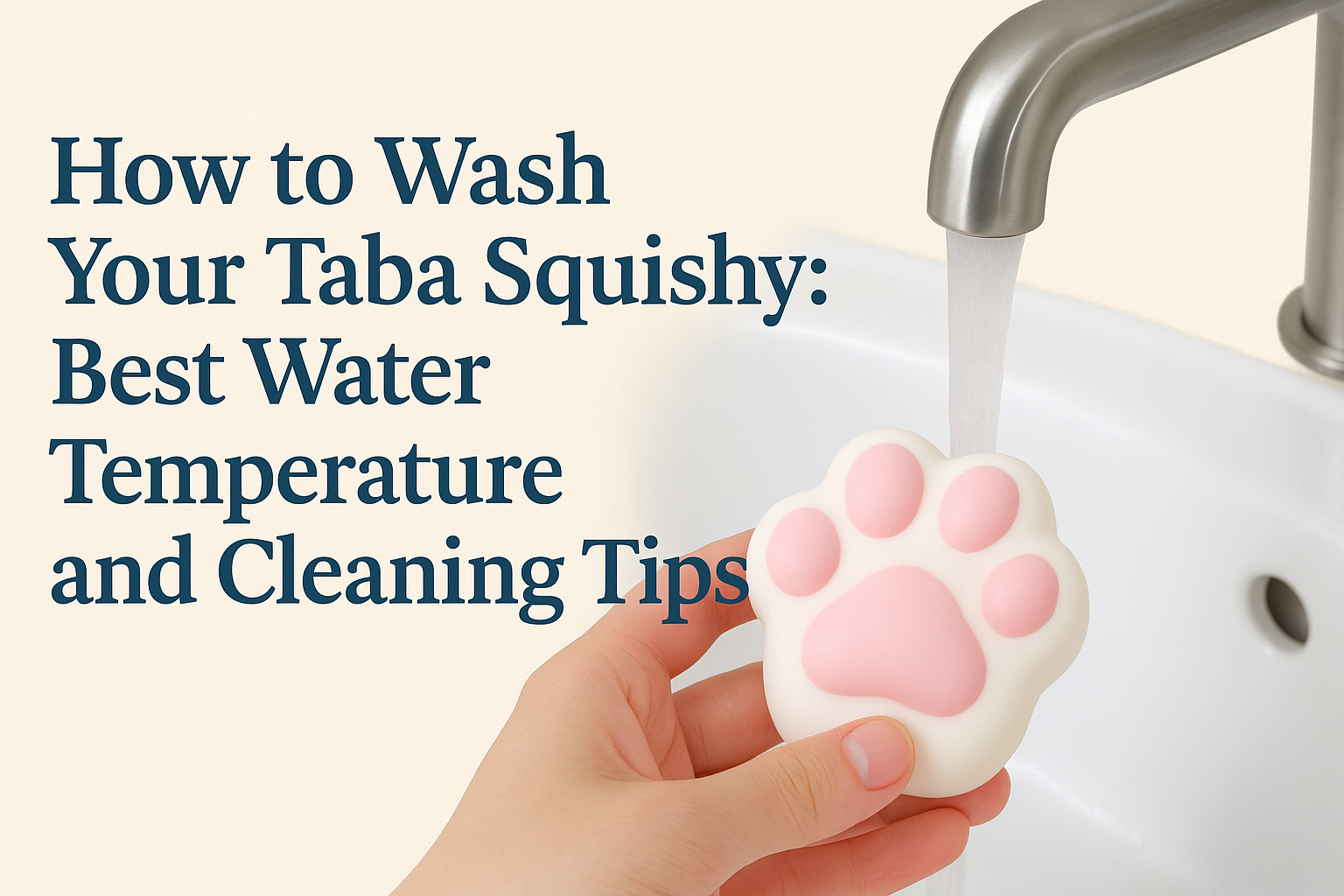
Taba Squishies are premium, handmade from food-grade silicone, safe to wash with some exceptions.
Can You Wash Taba Squishies?
- Regular Taba Squishies: Yes, handwash safely.
- Flocked (Fuzzy) Taba Squishies: No water because it ruins the soft velvety coating.
How to Wash a Regular Taba Squishy
Follow these steps for best results.
- Use lukewarm water and 1 drop of baby shampoo.
- Submerge and rub gently with fingertips only, no brushes.
- Rinse under cool water until completely soap-free.
- Pat dry with a lint-free towel.
- Air-dry in a cool, shaded spot, avoiding sunlight.
- If sticky, apply cornstarch to restore smoothness.
Taba’s surface may feel tacky naturally, and cornstarch fixes this.
Clean Flocked Taba Squishies (No Water)
Never use water on flocked varieties.
- Use adhesive tape to lift dust and lint.
- Gently brush with a soft, dry makeup or paintbrush.
- Store in a sealed bag to prevent future dirt buildup.
Never wipe with water because flocking will clump and peel.
Fix Common Squishy Problems
Even with proper care, issues arise. Here is how to solve them fast.
Sticky or Tacky Surface
Causes: Soap residue, skin oils, or incomplete drying.
Fix: Re-rinse and air-dry fully. Apply cornstarch, rub in, and tap off excess. Use tape for quick surface refresh.
Discoloration or Fading
Causes: Sunlight, lotions, or harsh cleaners.
Prevent: Store in dark, cool place. Avoid perfumes and dyes on hands. Never use bleach or alcohol.
Damaged Paint or Decals
Causes: Scrubbing, machine washing, or chemicals.
Fix: Touch up with acrylic paint and a fine brush. Let dry completely before use.
Avoid These Common Mistakes
Even small errors can ruin your squishy. Steer clear of these.
Never Use Hot Water or Heat
Heat distorts silicone and degrades foam. Never use hairdryers, radiators, direct sunlight, or hot water.
Do Not Scrub or Use Rough Tools
Brushes, sponges, or nails can scratch surfaces and damage paint. Use fingertips only for silicone and soft cloth for foam.
No Harsh Chemicals
Avoid alcohol, bleach, hand sanitizer, and dishwashers. These strip oils, cause brittleness, and fade colors.
Do Not Machine Wash Silicone or Foam
High agitation tears foam and warps silicone. Only fabric-covered types can be machine washed, and only as a last resort.
Never Soak Foam Squishies
Foam absorbs water like a sponge, leading to mold and extremely long drying times.
Restore and Maintain Your Squishy
Keep your squishy feeling fresh between deep cleans.
Quick Dry Refresh
- Place on a plate.
- Sprinkle with cornstarch.
- Roll gently to coat and absorb oils.
- Tap off excess to restore softness instantly.
Reapply Decorations
If paint wears off, use non-toxic acrylic paint with a fine brush. Let dry 24 hours before handling.
Store Squishies Properly
Good storage prevents dirt, stickiness, and damage.
Keep Dust-Free
Store in drawers, boxes, or sealed bags. Use TABASQUISHY 7×7 storage bag for smooth, non-stick, travel-safe protection.
Avoid Compression
Never stack books or heavy items on squishies because prolonged pressure causes permanent dents.
Control Light and Heat
Store away from windows because UV rays cause fading. Avoid radiators, cars, or hot rooms because heat ruins texture.
How Often Should You Clean a Squishy?
Frequency depends on use and exposure.
Cleaning Schedule
- Daily use: Clean every 1-2 weeks.
- Occasional use: Clean every 3-4 weeks.
- After contact with food, lotions, or dirt: Clean immediately.
Signs it is time to clean include stickiness, visible grime, or dull appearance.
Final Tips for Long-Lasting Squishies
Follow these habits to keep your squishy soft and satisfying for years.
- Wash hands before use to reduce oil and dirt transfer.
- Avoid lotions and perfumes because chemicals cause stickiness and discoloration.
- Test any cleaning method on a small area first, especially on painted squishies.
- Use cornstarch after every wash for best results.
- Respect the material: keep foam dry, handwash silicone gently, and spot clean fabric-covered types.
Frequently Asked Questions About Cleaning Squishy Toys
Can you put squishy toys in the washing machine?
Only fabric-covered squishies can be machine washed, and only as a last resort. Foam and silicone squishies will be damaged by machine washing due to high agitation and heat. Place fabric-covered squishies in a cotton pillowcase, wash in cold water on gentle cycle, and tumble dry on low heat.
Why is my squishy toy sticky after washing?
Stickiness occurs from soap residue, incomplete rinsing, or incomplete drying. Rinse the squishy thoroughly and allow it to air-dry completely. If stickiness persists, apply cornstarch or talc-free baby powder to restore smoothness.
How do you make a squishy toy soft again?
Apply cornstarch or talc-free baby powder to the surface, rub gently with clean hands, and tap off excess. This restores the smooth, silky feel instantly. For foam squishies that have hardened, there is no reliable restoration method, so prevention through proper care is essential.
Can you use soap on squishy toys?
Yes, use mild soap such as dish soap, baby shampoo, or unscented hand soap. Avoid harsh detergents, bleach, or alcohol. For silicone squishies, a drop of mild soap in lukewarm water works well. For foam squishies, use minimal soap and ensure the cloth is barely damp.
How long does it take for a squishy to dry?
Silicone squishies take 4-12 hours to dry completely. Foam squishies take 6-12 hours due to their absorbent nature. Fabric-covered squishies take 12-24 hours. Always allow complete drying before use to prevent mold and stickiness.
Do squishy toys attract dust?
Yes, squishy toys attract dust, lint, and pet hair due to their textured surfaces and static-prone materials. Store them in sealed bags or containers to minimize dust accumulation. Use adhesive tape for quick surface refreshes between cleanings.
Key Takeaways for Cleaning Your Squishy Toy
Knowing how to clean a squishy toy properly preserves its texture, hygiene, and longevity for years of enjoyment. Always identify the material type first: foam requires minimal moisture, silicone tolerates gentle handwashing, and fabric-covered types need spot cleaning only. Never use hot water, harsh chemicals, or machine washing on silicone or foam varieties. Keep cornstarch handy because it restores smoothness and absorbs oils instantly. Store squishies in cool, dark, dust-free environments away from direct sunlight and heavy compression. Clean your squishy every 1-2 weeks with daily use, and always wash your hands before handling to minimize oil transfer. With these simple care habits, your squishy toy will stay soft, clean, and satisfying for as long as possible.