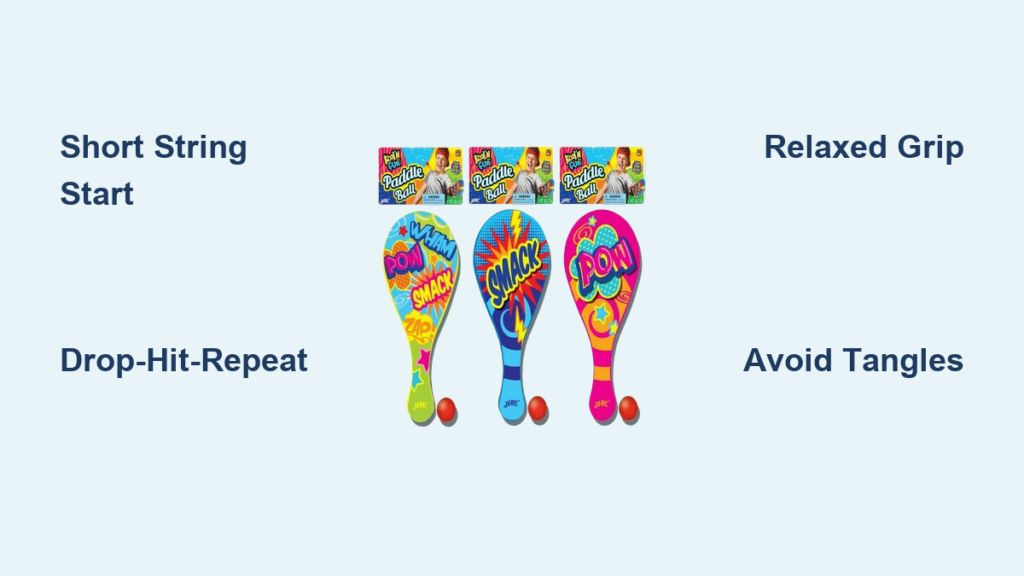
You’re holding a small wooden paddle with a rubber ball bouncing at the end of an elastic cord. At first, it feels chaotic—missed hits, tangled strings, frustration. Then rhythm kicks in. Tap-tap-tap. The ball rebounds smoothly. You’ve found the groove. This is paddle ball, one of the simplest yet most addictive skill toys ever made. Learning how to play paddle ball toy combines timing, coordination, and focus into a meditative rhythm. Whether you’re a kid learning to count hits or an adult chasing 100 consecutive strikes, this guide gives you everything you need to start and master the game.
Choose the Right Setup for Your Skill Level

Your first decision determines your experience. Setting up the paddle ball correctly separates frustration from flow. Two main configurations exist based on player experience.
Short String for Beginners
Wrap the elastic string around the paddle handle 3 to 5 times, then thread it through the front hole and pull tight. Let the ball hang 1 to 2 inches below the handle end. This keeps the string length between 12 and 18 inches, short enough for fast, predictable rebounds.
This setup works because it reduces timing complexity, increases control, and builds confidence with quick feedback. Start here if you’re new to the game. Once you can hit 10 times in a row, consider lengthening the string.
Free-Sliding String for Advanced Play
Unwrap the string completely. Thread it through the paddle’s front hole so it slides freely. Adjust the length so the ball hangs near elbow level when your arm extends downward.
Benefits include dynamic trick capability, mid-play adjustments, and support for off-body bounces and juggling patterns. Use this setup once you’ve mastered basic rhythm and want to explore advanced techniques.
Master the Core Hitting Techniques
Three foundational strokes form the backbone of all paddle ball play. Learn them in order to unlock full control and progression.
Straight-Up-and-Down Hit
This is the essential starting move. Hold the paddle flat and strike the ball straight up with a short forearm motion.
Steps:
1. Let the ball dangle just above the paddle face.
2. Drop it slightly and hit upward with controlled force.
3. As the ball rebounds, pull the paddle back slightly to absorb the elastic’s snap.
Keep your wrist firm but relaxed. Let your forearm do the work. Focus on hitting the ball at the same height in its arc every time. Aim for 5 to 10 clean hits before moving on.
Forward Circular Stroke
Once you’ve found rhythm, extend your motion into a forward arc. This technique sets up tricks and overhead moves.
How to do it:
1. Begin with straight-up hits to establish timing.
2. On the next strike, push the paddle forward and up in a smooth circle.
3. Allow the ball to travel forward before the elastic pulls it back.
The paddle traces a rainbow-shaped path. The ball flies out, then returns on a curved trajectory. This stroke builds trajectory control and prepares you for aerial tricks.
Sidearm 45-Degree Angle Hit
Extend your arm sideways and tilt the paddle upward at a 45-degree angle. Use an orbital stroke to launch the ball laterally.
Execution:
– Hit with a sweeping, sideways motion
– Let the angled paddle guide the ball upward
– Maintain tension in the string for a clean return
This hit adds style and variety to your sequence and is common in vintage play and performance routines.
Perfect Your Hand Position and Motion
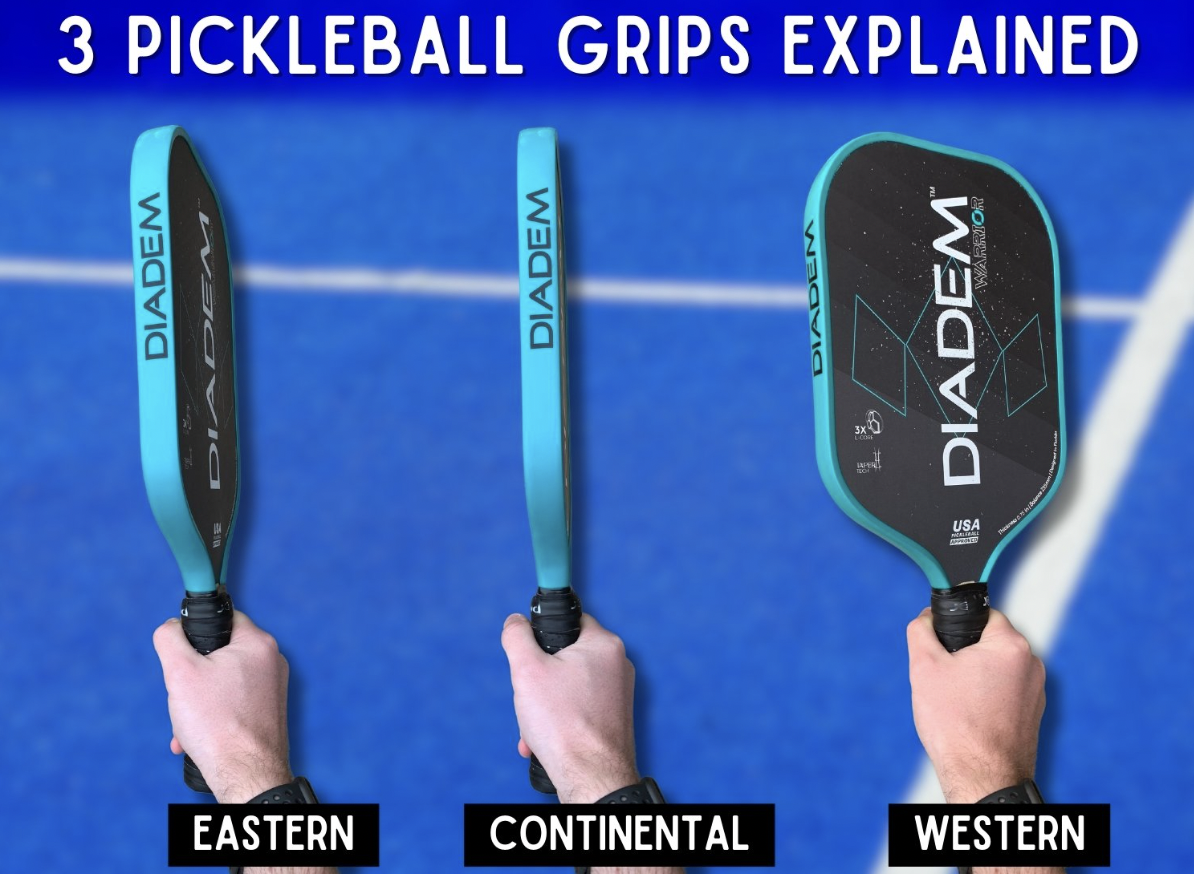
Even with the right technique, poor form sabotages progress. Nail these fundamentals to stay consistent.
Use a Relaxed Grip
Hold the paddle like a hammer. Firm enough to control, loose enough to pivot. Tension in your hand causes jerky movements and early fatigue.
Check yourself: If your fingers go numb or your forearm burns after 30 seconds, you’re gripping too hard.
Follow the Drop-Hit-Repeat Cycle
This is the core rhythm of paddle ball.
Steps:
1. Drop the ball from just above the paddle.
2. Strike it downward as it rebounds toward you.
3. Repeat, syncing your motion with the elastic’s return.
Timing is critical. Hit just after the ball reaches its peak rebound. Avoid hitting too early or too late when the string goes slack. Listen for the rhythm. The snap-snap-snap of ball-on-paddle should be even, like a metronome.
Avoid Common Beginner Mistakes
Most early failures come from fixable errors. Watch for these pitfalls.
Hitting Out of Sync
The number one mistake is striking when the ball is too high or too low. Wait for the sweet spot when the ball descends and the string is taut.
Fix: Start slow. Let the ball bounce once between hits until timing feels natural.
Overusing the Wrist
Wrist flicks cause wild swings and loss of control. Instead, use small forearm rotations from the elbow.
Test: Play with your wrist strapped lightly. You will feel how little motion is actually needed.
Letting the String Tangle
Wrapping the string around your hand or paddle during play leads to snags.
Prevention:
– Keep the string unwound and free
– Store it loosely coiled after use
– Inspect regularly for knots or fraying
Replace the string if it loses elasticity or shows wear.
Progress From Beginner to Expert

Skill grows in stages. Follow this roadmap to build lasting mastery.
Stage 1: Build Rhythm
Goal: 10 consecutive hits. String length: 12 to 18 inches. Focus on drop-hit-repeat consistency, centered paddle contact, and steady rhythm.
Practice tip: Say numbers aloud with each hit. Turn play into a game.
Stage 2: Increase String Length
Goal: 25 or more hits without missing. String length: 18 to 24 inches. Focus on controlled forward strokes, standing still without stepping or chasing the ball, and resetting quickly after failure.
Practice daily for 5 to 10 minutes. Short sessions build muscle memory faster than long, infrequent ones.
Stage 3: Master Elbow-Length Play
Goal: 50 to 100 or more hits. String length: 24 to 30 inches. Focus on smooth transitions between hit types, minimal body movement, and recovery from near-misses.
At this level, players develop a personal rhythm. Some are fast and sharp. Others are slow and flowing.
Stage 4: Challenge Yourself
Goal: 200 or more hits or trick sequences. Use adjustable cord, interchangeable balls, and custom string tension.
Top players use shorter strings again for precision under pressure.
Learn Fun Tricks and Advanced Moves
Once you have mastered 100 hits, it is time to play with flair.
Behind-the-Back Hit
- Start a normal rhythm.
- Swing the paddle behind your back as the ball rises.
- Strike it mid-air and bring the paddle forward to catch the return.
Time the swing so the ball reaches the back plane just as the paddle arrives.
Under-the-Leg Bounce
- Let the ball drop below knee level.
- Pass the paddle under your leg.
- Hit the ball upward from beneath.
This looks impressive but requires perfect timing and flexibility.
Double Bounce
Let the ball hit the ground once between paddle strikes. Rebound timing changes. Practice with a longer string.
This adds challenge and variety, especially on hard floors.
Off-Body Bounces
Bounce the ball off your knee, shoulder, or head gently, then return it to the paddle.
Great for performance and group play.
Use Paddle Ball for Learning and Therapy
Beyond fun, this toy has real-world benefits for kids and adults alike.
Teach Kids to Count
Turn play into math practice. Ask “Can you hit it 10 times?” Count to 20 together. Record daily high scores and track progress.
This engages motor skills and number recognition in one activity.
Improve Focus and Coordination
Paddle ball is used in occupational therapy, ADHD focus training, and senior motor skill maintenance.
The rhythmic, repetitive motion calms the mind while sharpening reaction time.
Light Exercise and Stress Relief
The game engages forearms, shoulders, wrists, and core stabilizers from posture control.
Many users describe the experience as meditative. It is a moving mindfulness practice.
Play Anywhere: Indoor, Outdoor, or Seated
Paddle ball is one of the most portable skill toys around.
Indoor Play Tips
- Clear space: 6 feet by 6 feet minimum
- Avoid glass, lamps, or breakables
- Use on hard floors. Carpet dampens rebound
- Great for hallways, basements, or offices
Ideal for short breaks or focus resets.
Outdoor Options
- Driveways, patios, parks, beaches
- Watch for wind. It affects ball path
- Use bright or glow-in-the-dark balls for visibility
Avoid rough surfaces that wear the ball.
Seated Play
Perfect for elderly users, people with mobility limits, and desk-friendly stress relief.
Maintain good posture and keep movements small.
Buy and Maintain Your Paddle Ball
A well-cared-for paddle ball lasts for years. Know what to look for.
Where to Buy
- Local toy stores and hobby shops
- Online through Amazon, Etsy for vintage or handmade
- Direct from manufacturers like BC Toy Company or Hummingbird Toy Company for bulk or custom orders
Standard sets cost $8 to $15. Vintage models sell for $20 to $50 or more.
Replace Worn Parts
- Replace the ball if cracked, flattened, or slow to rebound
- Re-thread or replace the string when frayed or weak
- Sand wooden paddle surfaces lightly. Oil with mineral oil if dry
Yomega models often come with 30 to 90 day warranties.
Storage Tips
- Keep in a cool, dry place
- Avoid direct sunlight. It degrades rubber
- Unwind string fully after use
This prevents premature aging and tangling.
See Paddle Ball in Pop Culture
This humble toy has made memorable appearances across film and media.
Iconic Movie Moments
- Marilyn Monroe plays with one in The Misfits (1961), a famous saloon scene in Dayton, Nevada.
- In Blazing Saddles (1974), Mel Brooks fumbles while Harvey Korman shows off tricks.
- WALL-E (2008) rejects the toy, symbolizing humanity’s discarded past.
- Sonic the Hedgehog (2020) plays at super-speed before tossing it aside.
These moments highlight the toy is nostalgic and quirky.
Break Records or Just Have Fun
Paddle ball is not just personal play. It is a social and competitive activity.
Guinness World Records
- Seven paddles controlled at once by Steve Langley (2011)
- 443 people playing simultaneously across two schools (2012)
- 162-person relay in Las Vegas (2013)
Perfect for school events, team-building, or community challenges.
Make It Social
- Host a longest streak contest
- Teach coworkers during breaks
- Use in group therapy or classroom activities
Its simplicity makes it universally accessible.
Key Takeaways for Mastering Paddle Ball
Start with a short string of 12 to 18 inches. Focus on rhythm, not speed. Practice daily for 5 to 10 minutes. Reset quickly after misses. Do not chase the ball. Celebrate small wins. Ten hits today, 20 tomorrow.
The real goal is not perfection. It is flow. That moment when the world fades and it is just you, the paddle, and the bounce.
Whether you are reliving childhood, teaching a child, or mastering tricks, the how to play paddle ball toy journey is about rhythm, resilience, and fun. Pick it up. Tap once. Then again. Soon, you will not want to stop.
Frequently Asked Questions About Paddle Ball
What is the best string length for beginners?
Beginners should use a short string between 12 and 18 inches. This provides faster ball return and easier control while learning the basic rhythm.
How do I stop the ball from flying away?
The ball flies away when you hit too early in its bounce cycle. Wait until the ball descends and the string becomes taut. Hit just after the ball reaches its peak rebound point.
Can paddle ball be played outdoors?
Yes. Paddle ball works well outdoors on driveways, patios, and parks. Just watch for wind, which affects the ball’s path, and avoid rough surfaces that wear the ball.
How do I prevent the string from tangling?
Keep the string unwound and free during play. Store it loosely coiled after use. Inspect regularly for knots or fraying. Replace the string if it loses elasticity.
What are the benefits of playing paddle ball?
Paddle ball improves hand-eye coordination, timing, and focus. It provides light exercise for forearms and shoulders. Many players find the rhythmic motion meditative and stress-relieving.
How do I teach a child to play paddle ball?
Start with short strings and simple goals. Have the child count each hit aloud. Challenge them to reach 10, then 20 hits. Record daily high scores to track progress and maintain motivation.