Imagine turning yesterday’s trash into today’s treasure. A roaring cardboard lion, a glittery sensory bottle, or a clattering train made from toilet paper rolls can spark hours of imaginative play. Making a toy out of recycled materials is creative, sustainable, and deeply engaging for children of all ages. With everyday items like cardboard boxes, plastic bottles, and bottle caps, you can teach environmental responsibility while supporting key developmental skills.
This guide walks you through the most effective, safe, and fun ways to transform household waste into high-value toys. From quick infant shakers to school-age engineering builds, every project is designed to be accessible, educational, and durable. Whether you are a parent, teacher, or caregiver, you will find actionable ideas that turn recycling into hands-on learning and joyful play.
Choose the Right Recyclable Material

Not all recyclables work equally well for toy-making. The best materials are clean, sturdy, and free of sharp edges or toxic residues. Matching the right material to the child is age and skill level ensures safety and success.
Sort and Prep Common Household Items
Before building, prepare your materials properly. Cardboard boxes should be flattened with tape removed and rough edges sanded smooth. Plastic bottles need thorough rinsing, label removal, and complete drying. Lids and caps should be washed with soap and checked for cracks or sharp burrs. Fabric scraps must be soft and non-fraying. Tin cans require careful sanding of rims and interior lining if used as drums.
Pro Tip: Store cleaned materials in labeled bins such as bottles, cardboard rolls, or caps for easy access during craft time.
Match Material to Age Group
Different age groups benefit from different materials. Infants from 6 to 18 months thrive with sensory bottles, crinkly fabric toys, and large lid stackers. These items are safe for mouthing and promote grasping and cause-effect learning. Toddlers from 18 to 36 months develop fine motor skills through shape sorters, lacing cards, and soft shakers. Preschoolers from 3 to 5 years old engage in pretend play with puppets, toy cars, and play kitchens. School-age children from 6 to 12 years old benefit from complex builds like arcade games, robots, and balance boards that support engineering thinking.
Always supervise young children during play to prevent choking hazards.
Build Cardboard-Based Toys
Cardboard is the ultimate upcycling material. It is strong, easy to cut, and perfect for imaginative builds. With one large box, you can create hours of play.
Make a Cardboard Playhouse or Car
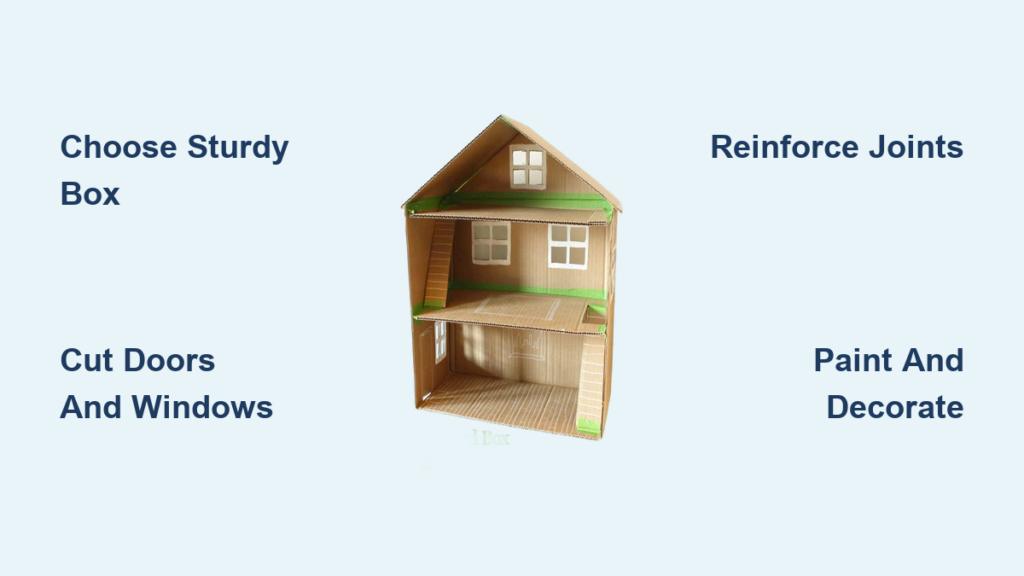
Turn a shipping box into a mobile home, rocket ship, or fire truck. First, cut door and window openings using a box cutter with adult supervision. Then reinforce corners with duct tape. Paint or cover with paper and add bottle cap wheels. Finally, decorate the interior with drawn dials, maps, or furniture.
Educational Bonus: Talk about shapes by asking what shape the window is. Discuss directions by saying turn left at the red chair. Explore occupations by asking what a firefighter does.
Age Suitability: 3 plus years with adult help for cutting.
Create a DIY Cardboard Arcade Game
Kids love games they build themselves. Open a long appliance box and lay it flat. Glue cardboard ramps, tunnels, and bumpers inside. Use a marble or ping pong ball and tilt to guide it through. Add numbered targets for scoring.
STEM Link: Discuss gravity, motion, and angles. Try changing ramp heights to see how speed changes.
Safety Note: Seal loose parts with hot glue. Avoid small embellishments for children under 3.
Craft Cardboard Building Blocks
Cut cereal or shipping boxes into cubes, rectangles, or cylinders. Tape edges for strength. Paint each side a different color or pattern. Let kids stack, sort, and build cities.
Alternative: Make log blocks by cutting toilet rolls into short cylinders and painting them like wood.
Developmental Focus: Spatial reasoning, symmetry, and early math skills develop through block play.
Turn Tubes into Playful Creatures
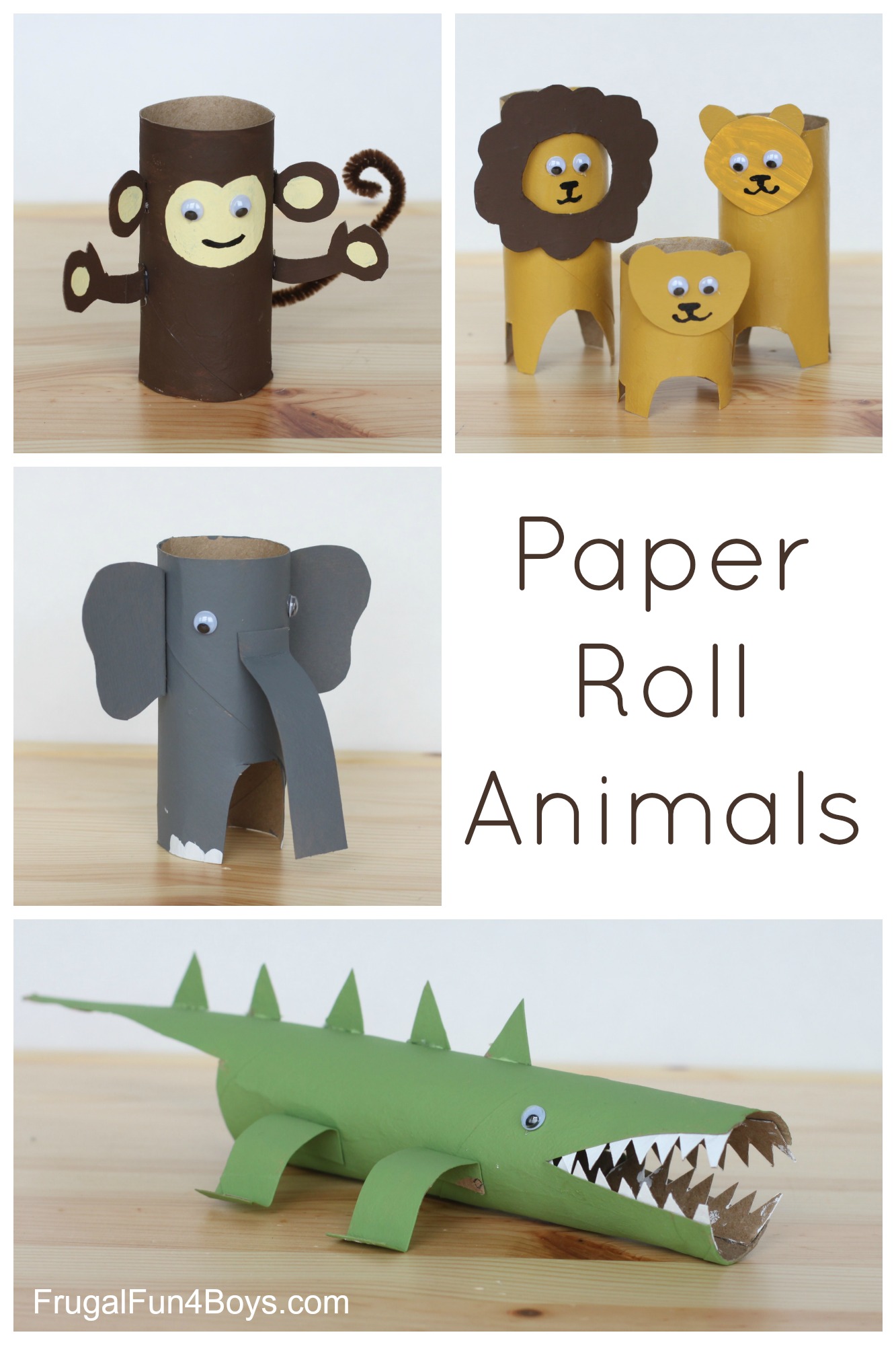
Toilet paper and paper towel rolls are lightweight, easy to decorate, and perfect for 3D animal figures.
Design Dolls and Animals from Rolls
Create foxes, dragons, or robots. Paint the roll base color. Glue on googly eyes, yarn tails, or crepe paper wings. Draw faces with markers.
Creative Prompt: Ask what sound the animal makes and where it lives.
Pro Tip: Insert a popsicle stick to make it a hand puppet.
Age Suitability: 3 plus years with supervision for glue.
Assemble a Toilet Paper Tube Train
Link multiple rolls into a chugging engine and cars. Glue or tie rolls together with string. Attach bottle cap wheels. Paint fun designs such as a police car, zoo train, or ice cream car.
Play Expansion: Add a cardboard track on the floor. Count how many stations the train visits.
Learning Link: Sequencing, color recognition, and storytelling improve through train play.
Repurpose Plastic Bottles into Sensory Toys
Clear plastic bottles are ideal for visual and auditory sensory play, especially when sealed tightly.
Build a Baby Sparkle Sensory Bottle
Calm and captivate infants with a slow-moving glitter bottle. Fill a clean bottle three-quarters full with water. Add baby oil in a one-to-four ratio with water, plus glitter and sequins. Seal the lid with epoxy glue, then reinforce with duct tape. Shake and watch the swirls.
Therapeutic Use: Great for children with autism or ADHD to support focus and regulation.
Safety First: Never use small beads with babies. Only use soft, non-choking elements.
Make Noise Shakers and Musical Bottles
Fill bottles with rice, beans, or bells. Seal lids tightly with tape. Decorate with stickers or paint. Shake to create rhythms.
STEM Extension: Compare sounds. Does a full bottle sound higher or lower than a half-full one?
Alternative: Use spice jars for quieter, fine-motor shakers.
Use Tissue and Shoeboxes for Pretend Play
Small boxes open big imaginations. From puppet theaters to castles, they are ideal for storytelling.
Convert a Tissue Box into a Puppet Theater
Cut a window in one long side. Paint the outside like a circus, castle, or theater. Hang fabric curtains with string. Use sock or stick puppets for shows.
Language Boost: Encourage dialogue, character voices, and story endings.
Age Suitability: 3 plus years.
Build a Shoebox Princess Castle
Stack two shoeboxes vertically. Use toilet rolls as turrets. Paint walls and add tissue paper flags. Include paper dolls or action figures.
Thematic Twist: Make a pirate ship, haunted house, or space station instead.
Creative Freedom: Let kids decide the story. Who lives there? What is hidden inside?
Craft with Lids, Caps, and Jars
Bottle caps and jar lids are often overlooked but perfect for sorting, stacking, and crafting.
Make a Lid Shape Sorter
Use a plastic container or tissue box. Cut holes in the top as circles, squares, and triangles. Let kids match and drop in corresponding lids.
Motor Skill Gain: Improves hand-eye coordination and shape recognition.
Difficulty Boost: Add smaller holes for fine motor challenge.
String a Bottle Cap Snake
Punch holes in caps with a nail using adult help. Thread onto yarn or string. Glue on eyes and draw a face.
Play Idea: Make the snake slither under the chair. This encourages crawling and movement.
Age Suitability: 3 plus years.
Create Sensory and Fine Motor Tools
Sensory toys help children process the world through touch, sound, and sight. This is especially important for early development.
Assemble a Crinkly Taggie Toy
Perfect for babies who love to touch and mouth. Cut a soft fabric square about 6 by 6 inches. Attach ribbons and crinkly cellophane strips with strong thread. Knot ends to prevent fraying.
Developmental Benefit: Stimulates tactile and oral senses.
Washability Tip: Use machine-washable fabric and thread.
Make a Toddler Lacing Board
Cut a cardboard shape such as an animal, star, or car. Punch evenly spaced holes around the edge. Use shoelaces or yarn with a taped tip.
Skill Focus: Strengthens pincer grip and bilateral coordination.
Customize: Let kids decorate the board before punching holes.
Design Outdoor and Active Play Toys
Recycled materials are not just for indoors. Some of the best gross motor play comes from upcycled outdoor toys.
Build a Simple Balance Board
Use a thick wooden board or dense cardboard. Place a PVC pipe underneath as a fulcrum. Let kids stand and rock gently.
Physical Benefit: Builds core strength and balance.
Safety Note: Always supervise. Use on carpet or grass.
Create a Sand Quarry Sensory Bin
Fill a large box with sand and rocks. Add milk jug scoops and plastic containers. Hide toy dinosaurs or treasure for discovery.
Science Link: Introduce concepts like erosion, digging, and classification.
Extension: Use rice or dried beans indoors for mess-free play.
Make Musical Instruments from Containers
Music boosts brain development, rhythm, and emotional expression. No expensive instruments needed.
Craft a Tin Can Drum
Stretch a balloon over a cleaned tin can. Secure with a rubber band. Sand sharp edges first. Decorate with paint and use chopsticks as drumsticks.
Sound Science: Try different can sizes. What changes the pitch?
Play Together: Create a rhythm band with shakers and spoons.
Build a Bottle String Guitar
Cut the bottom off a large plastic bottle. Stretch rubber bands around the open end. Place a cardboard bridge underneath to lift the bands. Pluck to make music.
Creative Challenge: Can you make it louder? Softer? Higher?
Follow a Step-by-Step Creation Framework
To ensure success and safety, follow this simple process every time.
1. Gather and Sort Materials
Collect clean recyclables over a week. Sort into categories such as bottles, boxes, lids, and tubes.
Pro Organizer Tip: Use clear bins labeled by type for quick access.
2. Choose a Project by Age and Interest
Match the toy to the child. An animal lover might try a cardboard zoo. A music fan might build a drum set. A builder might go for an arcade game.
Involve Kids Early: Let them pick the idea. Ownership increases engagement.
3. Prepare Components First
Cut, paint, and dry pieces before assembly. This prevents mess and frustration.
Time Saver: Prep parts during nap time or after school.
4. Assemble with Safe Adhesives
White glue works for light paper and cardboard. Hot glue creates strong bonds but requires adult use only. Duct or packing tape provides structural support. Rubber bands work for temporary or movable parts.
Warning: Avoid toxic glues. Always use washable, non-toxic options.
5. Test and Play Together
Check stability and safety. Are small parts secure? Can it stand up or roll smoothly? Is it fun?
Let the child test it, then revise together.
Prioritize Safety in Every Project
Even with household items, safety must come first.
Avoid Common Hazards
Choking risks exist with small beads, buttons, or loose parts for children under 3. Sharp edges require sanding metal cans and cutting cardboard cleanly. Toxic finishes mean using only washable paints and glues. Projectile toys such as blow darts or launchers should never be made for young kids.
Golden Rule: If it can fit in a toilet paper roll, it is a choking hazard.
Supervise All Stages
Adults should handle cutting with knives or scissors, using hot glue guns, drilling or punching holes, and sealing bottles with epoxy.
Let kids do the decorating and playing. Their creativity is the star.
Teach Sustainability Through Play
Every recycled toy is a lesson in environmental care.
Explain the Three Rs Simply
Reduce means we do not need new stuff for this. Reuse means this bottle was trash and now it is a shaker. Recycle means when we are done, we will recycle it again.
Conversation Starter: What else could we make from old things?
Host a Toy-Making Workshop
Invite neighbors or classmates. Share materials. Build together. Trade toys at the end.
Community Impact: Teaches sharing, collaboration, and eco-leadership.
Frequently Asked Questions About Making Toys from Recycled Materials
What materials are safest for making toys with toddlers?
The safest materials for toddlers are large cardboard pieces, soft fabric scraps, and smooth plastic lids. Avoid small parts that could cause choking. Always supervise all building and play activities.
How do I make a sensory bottle safe for my baby?
Use a clean bottle with a secure lid sealed with epoxy and duct tape. Fill with water and baby oil in a one-to-four ratio. Add only large glitter and soft sequins. Never use small beads or tiny objects.
Can recycled toys help my child learn STEM concepts?
Yes. Building with cardboard teaches geometry and structural engineering. Making shakers demonstrates cause and effect. Creating arcade games introduces gravity, motion, and angles.
How long do recycled toys typically last?
With proper construction using tape and glue, cardboard toys last several months of regular play. Sealing with Mod Podge or clear spray extends durability. Store in dry areas to prevent mold.
What should I do with toys my child outgrows?
Deconstruct and repurpose components back into your materials bin. Many parts can be recycled again. Some toys can be donated to schools or community centers.
Key Takeaways for Making Toys from Recycled Materials
Making a toy out of recycled materials is more than a craft. It is a mindset that teaches children creativity does not require buying more. With cardboard, bottles, and a little imagination, you can build not just toys, but confidence, curiosity, and care for the planet. Start simple with projects like toilet roll animals or sensory bottles. Involve children in every step from sorting materials to testing the final product. Prioritize safety by supervising all tool use and checking for choking hazards. Most importantly, play together and let the recycling bin become your child is favorite toy box.